
The traditional cacophony of a construction site is undergoing a profound transformation as silent, intelligent systems begin to orchestrate tasks that were once deemed too complex for anything other than human intuition. While the initial wave of artificial intelligence primarily influenced the design phase through generative architectural software, the emergence of Physical AI represents a leap toward real-world application where machines perceive, reason, and act in three-dimensional space. This integration allows for a seamless transition from a digital blueprint to a physical structure without the friction of manual translation. Builders are no longer just operating heavy machinery; they are overseeing ecosystems of interconnected agents capable of navigating unpredictable terrain and handling delicate materials. This shift is not merely about automation but about the synthesis of sensory data and mechanical execution to solve the chronic labor shortages and safety concerns that have plagued the industry. As these systems mature, the boundary between the digital twin and the physical reality blurs, creating a dynamic environment where efficiency is optimized in real time.
Operational Evolution: Transitioning From Code to Concrete
Deploying heavy equipment equipped with high-fidelity sensors and neural networks has turned static yellow iron into responsive participants in the building process. Leading manufacturers are now delivering excavators and dozers that utilize Light Detection and Ranging (LiDAR) coupled with computer vision to perform precision grading and trenching with minimal human intervention. These machines do not simply follow a pre-programmed path; they adapt to shifting soil conditions and unexpected obstacles by processing environmental data at the edge. This capability ensures that site preparation moves from a multi-week endeavor to a highly streamlined operation where deviations are corrected the moment they occur. Furthermore, the synchronization of these autonomous units creates a swarm-like efficiency, where each vehicle communicates its progress to a central coordination hub. This connectivity reduces fuel consumption and minimizes idle time, directly addressing the sustainability goals that have become a standard requirement for modern infrastructure projects.
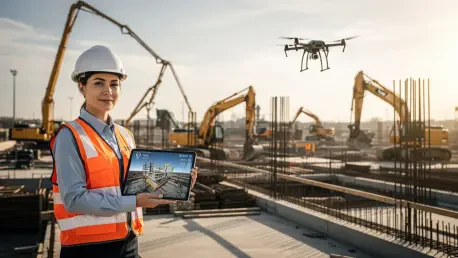
Safety and site surveillance have also seen a radical overhaul through the implementation of Physical AI drones and legged robots that patrol hazardous areas. These autonomous agents are capable of performing high-resolution inspections of structural components, identifying fatigue or misalignments that are invisible to the naked eye. By utilizing deep learning algorithms, these systems categorize risks and prioritize maintenance tasks, effectively removing humans from high-risk environments like scaffolding or deep excavations. The real-time feedback loop established between these mobile sensors and site managers allows for an unprecedented level of oversight, ensuring that every slab poured meets rigorous quality standards. This proactive approach to safety does more than just prevent accidents; it creates a comprehensive digital record of the construction lifecycle, which is invaluable for long-term facility management. The reliability of these systems fosters a culture of precision, where the margin for error is squeezed out by the constant, vigilant monitoring of tireless robotic coworkers.
Industry stakeholders successfully prioritized the integration of standardized data protocols that allowed different robotic platforms to communicate across various project phases. This transition required a strategic investment in retraining the workforce to focus on systems management and AI oversight rather than manual execution. Companies that adopted these Physical AI technologies early on achieved a substantial competitive advantage by reducing project timelines by nearly thirty percent while simultaneously lowering insurance premiums due to improved safety records. Future considerations centered on the establishment of robust ethical and regulatory frameworks to govern the deployment of autonomous systems in public spaces. Professionals worked to develop modular AI architectures that could be easily updated as software capabilities outpace mechanical hardware. By treating Physical AI as a foundational element of the construction process, the industry bridged the gap between digital potential and tangible reality. The focus shifted toward creating resilient infrastructure that remains adaptable.