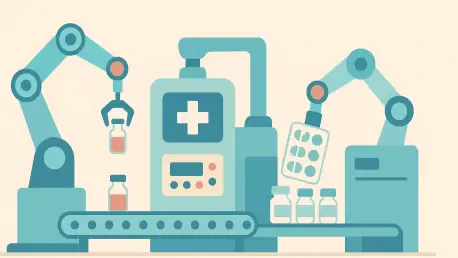
The pharmaceutical industry is currently facing a massive bottleneck due to the manual labor required to manufacture complex cell and gene therapies. This challenge has historically kept life-saving treatments prohibitively expensive and difficult to distribute on a global scale. However, the

The shift toward conversational intelligence means property managers can now generate custom charts and dashboards without waiting for software developers. This monumental advancement comes with the official release of AiMe Connect, a sophisticated bridge linking the PropertyMe database to leading

Google has officially integrated XR devices into the Android Enterprise framework, allowing IT departments to manage headsets with the same security protocols as corporate smartphones. This milestone marks a definitive shift in the corporate technology environment, which is currently undergoing a

The fragile reliability of traditional forecasting models has reached a breaking point as global market disruptions become the rule rather than the exception for supply chain leaders. For decades, the standard approach to predicting consumer demand relied on looking backward, utilizing statistical

By embedding Python capabilities directly into Google Sheets, Claude can now clean messy datasets and construct complex pivot tables without manual data entry. This advancement signals a departure from the era of passive chatbots, where users were forced to toggle between applications and
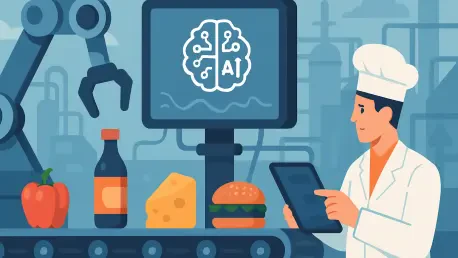
The historical failure of generic enterprise systems to handle the complex lifecycle of a batch provides a critical warning for food manufacturers adopting artificial intelligence today. For decades, the industry has wrestled with software designed for discrete manufacturing, which treats