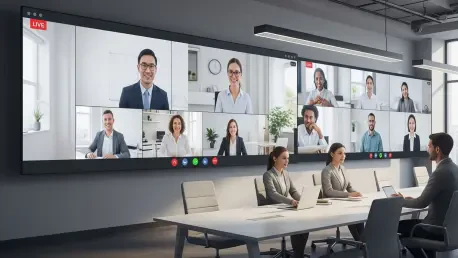

The traditional boundaries of the physical office have dissolved rapidly as the global labor market shifts toward a decentralized model where skill and connectivity outweigh geographical proximity. This fundamental transformation is characterized by a significant surge in international remote hiring, specifically focusing on the increasing reliance of global businesses on virtual assistants based in the Philippines. As organizations transition from traditional office-centric models to distributed and hybrid work environments, the focus has shifted from local talent pools to a globalized search for specialized skills. This trend is not merely a temporary reaction to global events but represents a structural shift in how companies, particularly small and mid-sized enterprises, build, manage, and scale their operational teams. Organizations that once struggled to find niche skills locally now find themselves managing diverse, international teams with ease. This paradigm shift has created a new standard for operational scalability, where the ability to integrate remote professionals is a competitive advantage in a crowded marketplace.
Cultural Synergy and the Professionalization of Remote Talent
A primary driver for the dominance of the Philippines in the remote work sector is the high level of English proficiency and the strong cultural alignment with Western business standards. This linguistic ease and familiarity with North American and European corporate nuances allow for seamless communication and deep integration into existing workflows. By reducing the friction typically associated with international outsourcing, Filipino professionals can step into collaborative roles with minimal training regarding cultural etiquette or language specifics. This natural synergy ensures that project management remains fluid and that misunderstandings related to cultural context are minimized. Furthermore, the shared emphasis on professional hospitality and service-oriented communication makes these assistants particularly effective in client-facing roles. Businesses have found that this cultural bridge allows for a more cohesive work environment, where remote team members feel less like external contractors and more like genuine extensions of the local office staff, fostering long-term loyalty and consistency.
The industry has evolved significantly beyond basic administrative support and simple data entry tasks that once defined the early years of the outsourcing boom. There is now a clear and undeniable trend toward the professionalization of the virtual assistant role, with workers specializing in high-value fields such as digital marketing, complex technical support, and sophisticated customer relationship management. This evolution indicates that international businesses no longer view these remote workers as temporary help but as skilled specialists capable of handling core business functions. The availability of diverse talent allows companies to outsource entire departments, from graphic design to financial bookkeeping, to professionals who possess the specific certifications and experience required for these high-level tasks. This shift has empowered Filipino professionals to command higher rates and pursue continuous education, further elevating the standard of the global remote workforce. As these roles become more specialized, the value proposition for hiring from the Philippines has shifted from simple cost savings to genuine quality-driven talent acquisition.
Infrastructure Advancements and Strategic Recruitment Models
The expansion of this workforce is closely tied to significant upgrades in the country’s digital infrastructure which have occurred rapidly between 2026 and 2028. Reliable, high-speed internet access has moved beyond major urban hubs like Manila and Cebu, allowing a decentralized workforce from various provinces to enter the global marketplace from their own homes. This technological democratization is supported by the rapid growth of digital platforms and directories that host hundreds of thousands of profiles, making it easier than ever for employers to vet and connect with qualified talent directly. Modern fiber-optic expansions and satellite internet services have bridged the gap for professionals living in remote areas, ensuring that their connectivity is as stable as that of their urban counterparts. This decentralization has not only provided more opportunities for Filipino workers but has also offered global employers a more diverse and vast pool of talent to choose from. The reduction in connectivity barriers has essentially flattened the competitive landscape, making the location of a professional almost irrelevant to their productivity.
As the ecosystem matures, businesses are diversifying how they build their remote teams by choosing between managed services and direct hiring models. While traditional agencies offer a turnkey solution for those who want hands-off management with structured oversight, direct hiring is gaining significant traction among more agile companies. This approach allows for closer collaboration and better cultural alignment, giving business owners more control over their talent strategy and making it easier to scale their teams cost-effectively. Direct hiring through specialized directories enables a more transparent recruitment process where performance expectations and company values are communicated without intermediaries. This shift toward direct engagement reflects a broader trend of businesses wanting to build intimate, high-trust relationships with their staff, regardless of where they are located. It also allows for more flexible compensation structures that can be adjusted based on the specific needs and performance of the individual, leading to higher satisfaction for both the employer and the remote professional.
Strategic Integration and the Evolution of Global Operations
The most significant shift in the current market is the changing status of virtual assistants from external contractors to integral team members. Employers are moving away from transactional, short-term assignments in favor of long-term partnerships that prioritize reliability and mutual growth within the organization. This shift reflects a maturing market where remote professionals are treated with the same level of importance and operational integration as on-site staff, including participation in strategic planning and professional development initiatives. As companies adopt more sophisticated project management tools and asynchronous communication protocols, the physical distance becomes a negligible factor in daily operations. This deep integration allows businesses to maintain a 24-hour operational cycle, where tasks are handed off between time zones to maximize efficiency and reduce turnaround times. The result is a more resilient business model that can withstand local labor shortages and economic fluctuations by leveraging a stable, highly skilled international workforce.
The successful integration of these professionals depended on the adoption of standardized onboarding processes and the use of collaborative technology platforms. Businesses that moved toward this model realized that providing clear career paths and competitive benefits was essential for retaining top-tier talent. This evolution marked a permanent change in the global economic fabric, as the Philippines established itself as a vital pillar in the distributed workforce. To maintain a competitive edge, organizations should have invested in cultural intelligence training and direct engagement strategies that prioritized human connection over mere task completion. The growth of specialized directories further suggested that the barriers to international hiring continued to decrease, making global talent acquisition a standard practice for businesses of all sizes. Ultimately, the synthesis of these trends pointed toward a more interconnected and fluid labor market, where the ability to lead a diverse, global team became the hallmark of successful modern management. Future growth will likely focus on even deeper technical specializations and the implementation of advanced artificial intelligence tools to enhance remote productivity.