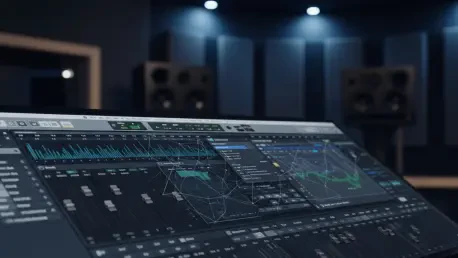

The evolution of digital audio environments has entered a sophisticated new phase where the boundary between the software developer and the musical artist continues to blur through advanced coding tools. The introduction of the Ableton Extensions SDK marks a significant milestone for the industry, providing a robust platform for creators to design and implement bespoke features that integrate directly into the workstation. Unlike previous iterations of software expansion that relied heavily on visual patching or isolated plugin windows, this new framework utilizes contemporary programming languages like TypeScript and JavaScript. This shift allows for the creation of native-feeling utilities, ranging from specialized sequencers to complex data visualization tools that live within the primary interface. As the landscape of music production grows increasingly technical in 2026, the demand for such high-level customization has led to this moment where the software is no longer a static product but a dynamic canvas for programmatic innovation.
1. Technical Implementation and System Integration
At the core of this advancement lies a comprehensive application programming interface that grants developers unprecedented access to the internal state and functions of the workstation. By leveraging the power of modern web technologies, the SDK enables the construction of high-performance extensions that can manage complex tasks such as sophisticated MIDI transformation and intricate device mapping. The transition to a code-based environment means that developers can now apply standard software engineering practices, including version control and modular design, to their musical tools. This level of technical depth ensures that extensions are not only powerful but also stable and efficient, reducing the overhead typically associated with complex third-party add-ons. Furthermore, the ability to interact with the object model of the software allows for the creation of responsive systems that adapt in real-time to the user actions, providing a level of interactivity that was previously difficult to achieve.
Integrating these extensions into a professional workflow requires a nuanced understanding of both the software architecture and the specific creative needs of the production environment. Users can now develop custom interface elements that match the aesthetic and functional logic of the host application, ensuring a seamless transition between standard features and user-created tools. This capability is particularly beneficial for live performers who require specialized control surfaces or automated lighting cues triggered directly by musical events within the session. By utilizing the SDK, technical directors can build bespoke bridges between the audio engine and external hardware, effectively turning the workstation into a centralized hub for multi-sensory performances. The modular nature of the system supports the rapid prototyping of ideas, allowing for iterative improvements based on immediate feedback from the performance stage. This agility in development is essential for maintaining a competitive edge in the fast-paced world of 2026 media production.
The implementation of this software development kit encouraged a fundamental change in how professional studios approached their daily operations and technical requirements. Developers who adopted the framework early focused on building lean, performance-oriented utilities that bypassed the traditional limitations of visual programming interfaces. To maximize the benefits of this technology, teams prioritized the documentation of custom scripts and the creation of shared libraries to streamline future development cycles. Organizations found that the most successful implementations involved a collaborative effort between sound designers and software engineers to identify specific workflow bottlenecks. Looking ahead, the focus shifted toward establishing standardized design patterns that ensured compatibility across different production environments and hardware setups. This proactive approach to customization provided a sustainable model for long-term technical growth, ensuring that the production environment evolved alongside the rapidly changing needs of the media industry.