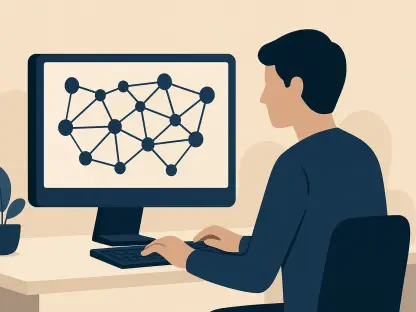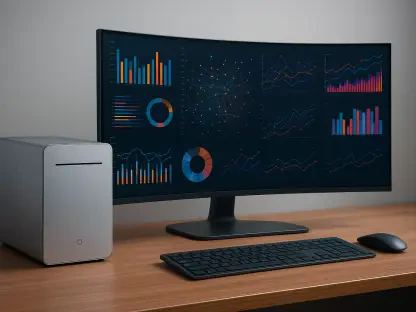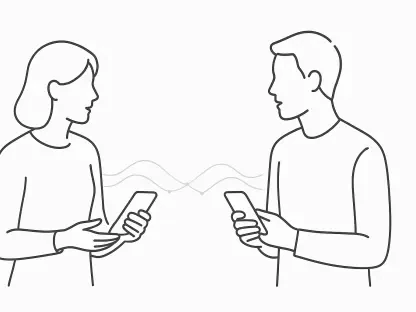

The modern medical landscape often feels like a sterile factory where clinicians spend more time staring at flickering monitors than looking into the eyes of their patients who are seeking comfort. This pervasive digital wall has created a crisis of burnout and a sense of alienation that threatens the core of the healing arts. However, the rapid integration of advanced machine learning models into daily practice is beginning to reverse this trend by offloading the mechanical aspects of healthcare. Instead of replacing the physician, these algorithms are acting as silent scribes and data interpreters that handle the exhausting minutiae of electronic health records. By automating the documentation process and synthesizing vast amounts of clinical literature, artificial intelligence is effectively clearing the path for a return to the bedside. The shift from data entry to genuine connection represents the most significant evolution in clinical care since the invention of the stethoscope. This transition marks the end of the keyboard-centric era of medicine.
Restoring Time: The Impact of Administrative Automation
Ambient clinical intelligence represents a transformative leap in how patient encounters are recorded and managed in real-time. Systems like the Nuance DAX Copilot or specialized generative AI models now listen to conversations between doctors and patients, automatically generating structured clinical notes that are both accurate and comprehensive. This technology eliminates the need for clinicians to spend hours after their shifts completing paperwork, which has historically been a primary driver of professional dissatisfaction. When a doctor is no longer tethered to a keyboard, they can maintain eye contact and observe subtle non-verbal cues that are vital for an accurate diagnosis. The ability of these systems to categorize symptoms and suggest billing codes without human intervention ensures that the administrative workflow remains seamless. As these tools become standard across health systems from the Mayo Clinic to local community hospitals, the focus is shifting back to the patient.
Beyond mere documentation, advanced diagnostic algorithms are serving as a powerful second set of eyes that can detect anomalies long before they become life-threatening. Large-scale implementations of AI in radiology departments have shown that deep learning models can flag potential malignancies in mammograms or chest X-rays with a degree of precision that rivals seasoned experts. By filtering through thousands of images to highlight those that require immediate attention, the technology allows radiologists to prioritize urgent cases and spend more time discussing results with referring physicians. This reduction in cognitive load is essential for preventing errors caused by fatigue and sensory overstimulation in a fast-paced environment. Furthermore, predictive analytics are being used to identify patients at high risk for sepsis or cardiac arrest hours before clinical symptoms manifest. This proactive approach allows medical teams to intervene earlier, fostering a sense of security and trust between the healthcare provider and the individual.
Personalized Care: Preserving Empathy in a Digital Era
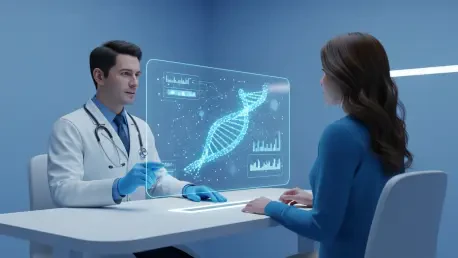
The integration of genomic data with longitudinal health records enables a level of precision medicine that was previously thought to be impossible. AI-driven platforms can analyze a patient’s unique genetic profile alongside their lifestyle factors to recommend personalized pharmacological interventions that minimize adverse reactions. For instance, oncology centers are utilizing these insights to tailor chemotherapy regimens to the specific mutations of a tumor, rather than relying on broad-spectrum protocols that may be less effective. This hyper-personalized approach makes the patient feel seen as a unique individual rather than a statistic in a clinical trial. Moreover, the use of virtual health assistants powered by natural language processing provides patients with continuous support and education outside of the clinic. These tools can answer routine questions about medication schedules or post-operative care, ensuring that the human touch is extended into the home environment. The result is a more cohesive and supportive journey for those navigating complex illnesses.
Health systems that successfully adopted these technologies established clear frameworks for ethical oversight and transparency to ensure that algorithms remained subservient to human judgment. It was determined that the most effective implementations prioritized the augmentation of clinician skills rather than the wholesale replacement of medical expertise. Leaders in the field moved toward a model where AI handled the data-heavy tasks, while the healthcare professionals focused on the emotional and moral complexities of patient care. To maintain this balance, medical schools integrated digital literacy into their core curricula to prepare the next generation of healers for a collaborative future. The focus turned to developing empathy-driven communication skills that machines could not replicate. It was concluded that the ongoing refinement of these tools was necessary to eliminate algorithmic bias and ensure equitable access to high-tech care for all patients. This transition ultimately redefined the role of technology as a bridge to connection.