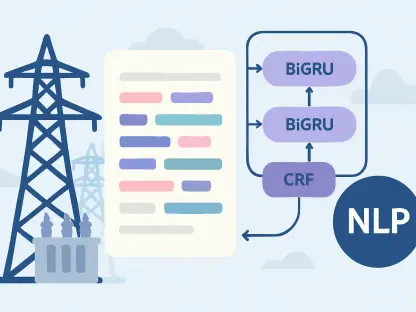

Developing a sophisticated engine for dream analysis requires a departure from the historical reliance on static symbol dictionaries toward a dynamic understanding of linguistic nuances and subconscious patterns. For nearly a century, individuals sought clarity through rigid interpretations where specific objects were linked to universal meanings, but these methods failed to account for the unique emotional and cultural context of the dreamer. In 2026, the arrival of advanced natural language processing allows for the creation of systems that treat a dream as a cohesive narrative rather than a collection of isolated symbols. By building a pipeline that integrates structural linguistic analysis with deep psychological grounding, developers can offer users more than just a list of definitions; they can provide a journey into the self. This article explores the architectural and technical considerations necessary to transform raw subconscious descriptions into meaningful insights, ensuring that the complexity of the sleeping mind is met with equally complex computational reasoning and high-level synthesis.
1. The Core Problem with Static Interpretation
The primary challenge in traditional dream interpretation lies in the use of fixed meanings for symbols, which often results in inaccurate or overly generic feedback for the user. In these older systems, a symbol like a snake might be assigned a single meaning such as betrayal, completely ignoring the dreamer’s personal history or emotional state during the experience. Modern AI systems must move beyond these rigid predictions and instead focus on providing psychological explanations based on narrative patterns and contextual clues. This involves analyzing how different elements within the dream interact with each other and how those interactions reflect the dreamer’s current mental state. By shifting the focus toward relational analysis, developers can build engines that understand that a symbol’s meaning is fluid and dependent on the specific actions and surroundings described in the narrative. This evolution from static lists to dynamic reasoning represents the first step in creating a truly intelligent dream analysis tool.
Beyond the rigid definitions of symbols, static interpretation models fail to account for the secondary variables that define the atmosphere of a dream, such as specific settings or cultural backgrounds. A dream occurring in a childhood home carries significantly different weight than one set in a fictional landscape, yet simple keyword extractors often overlook these critical environmental cues. Integrating personal feelings and cultural nuances requires a multi-layered data approach that goes beyond the literal text to find the subtext within the narrative. AI engines must be designed to identify these variables by weighing the importance of descriptors and the intensity of the language used to describe them. This ensures that the final analysis is not just a collection of definitions but a cohesive psychological explanation that considers the user’s current life situation and emotional baseline. Moving toward this holistic view represents the primary objective for engineering a truly sophisticated dream analysis engine that provides meaningful feedback to the user.
2. The Dream Processing Pipeline
The architecture of a sophisticated analysis engine must follow a precise sequence of operations to transform raw user input into a structured and psychologically grounded report. The process begins with the collection of the user’s narrative, followed immediately by a verification phase to ensure the data is legitimate and contains enough semantic density for analysis. Once the input is confirmed as viable, the system performs rigorous cleaning and formatting, stripping away unnecessary characters and normalizing punctuation to prepare for linguistic breakdown. Analyzing the language structure is the next critical step, where the engine dissects sentences to understand the grammatical relationships and dependency trees that link subjects to their actions. This structural understanding allows the system to identify key objects and figures with high precision, distinguishing between central characters and background elements. By systematically processing the text in these early stages, the pipeline builds a solid foundation for more complex cognitive tasks.
Following the initial structural analysis, the engine moves into the realm of emotional and environmental detection, where it determines the underlying mood and the specific setting of the dream. This involves sentiment analysis algorithms that look for shifts in tone and the intensity of adjectives, as well as entity recognition to map out the relationships between different characters. Once the emotional and situational context is established, the engine gathers relevant psychological data from specialized vector databases to provide scientific or historical grounding for the themes identified. This enriched dataset is then passed to a large language model, which uses high-level reasoning to synthesize all the extracted variables into a clear and organized explanation. The final output is not just a block of text but a structured report that includes a reliability score, indicating the system’s confidence in its findings based on the clarity of the original input. This systematic approach ensures that every interpretation is backed by transparent logic.
3. Recommended Technology Stack
Building a robust and scalable engine for dream analysis requires a carefully selected technology stack that balances performance with the flexibility needed for natural language tasks. The user interface layer is typically constructed using modern frameworks like React or Next.js, which allow for a responsive and intuitive experience when users are recording their subconscious narratives. On the server side, Node.js and Express provide a lightweight but powerful environment for managing API requests and handling the complex logic required for the processing pipeline. Data persistence is handled by a dual-database approach, utilizing a relational system like PostgreSQL for standard user information and metadata management. This relational foundation ensures that user accounts and dream histories are stored securely and efficiently, providing the structured data necessary for long-term tracking and trend analysis. By combining these standard web technologies with specialized AI tools, the architecture remains maintainable while offering the high throughput required.
To handle the actual intelligence of the system, the architecture integrates advanced AI models and specialized storage solutions for high-dimensional data. A large language model, such as GPT-4, serves as the primary reasoning engine, while a vector database like Pinecone is used for similarity search and context retrieval. This allows the system to generate embeddings—mathematical representations of text—which enable the engine to find connections between a user’s dream and a vast library of psychological literature. Security is maintained through robust identity management protocols like JSON Web Tokens (JWT), ensuring that sensitive personal data remains protected throughout the analysis process. Hosting and distribution are managed via modern platforms like Vercel or Railway, which offer seamless deployment and scaling capabilities to meet fluctuating user demand. This integrated stack ensures that the analysis engine can perform complex cognitive tasks with low latency, providing a professional-grade experience that meets the high expectations of users in the current technological landscape.
4. Project File Organization
A clean and modular project organization is vital for maintaining a complex NLP pipeline, ensuring that developers can update individual components without disrupting the entire system. The codebase is organized into several key directories, starting with endpoint handlers that manage the direct communication between the front end and the back end logic. These handlers ensure that user data is correctly routed through the various stages of the pipeline and that the final interpreted results are returned in the proper format. Alongside these, a dedicated directory for AI instruction sets stores the specialized prompts used to guide the large language model through its interpretive tasks. By isolating these prompts, developers can fine-tune the AI’s behavior and personality without modifying the core logic of the application. This separation of concerns is fundamental for scaling the project as more psychological theories and analysis styles are added to the engine over time, allowing for a highly customizable user experience.
Further down the hierarchy, the project includes directories for external integrations, which handle the connections to third-party services like OpenAI and other specialized AI tools. This ensures that the core application remains decoupled from specific providers, making it easier to swap or upgrade models as new technology becomes available. Data definitions and schemas are maintained in a central location, outlining the structure of dream objects and ensuring consistency across the entire database. Path management is also a critical component, defining the various URL routes that the API uses to handle different types of analysis or user requests. Finally, a collection of helper functions provides the necessary tools for cleaning text, validating input, and performing basic string manipulations that are used throughout the pipeline. This organized structure not only improves the readability of the code but also simplifies the debugging process, allowing the development team to isolate issues quickly and maintain high code quality.
5. Implementation and Future Intelligence
Developing the engine involves several coding stages that prioritize the accurate preparation and analysis of the raw narrative provided by the user. The initial steps focus on setting up the user interface and developing the server-side API to handle the data flow from the text area to the processing modules. Once the communication channel is established, functions are written to strip unnecessary characters and verify that the entry is long enough to support a meaningful psychological analysis. Tokenization is then used to break down the sentence structure into individual units, which are then matched against a database of common dream symbols to identify key imagery. This methodical approach to initial development ensures that the system is built on a stable foundation of clean data and structural clarity. By prioritizing the quality of the input at this stage, the development team can ensure that the later, more complex stages of interpretation are as accurate and insightful as possible for the end user in terms of data integrity.
The final stage of development was defined by a transition from basic keyword identification to the implementation of complex cognitive mapping and retrieval strategies. Developers successfully utilized Retrieval-Augmented Generation (RAG) to ground the system’s interpretations in established psychological research, ensuring that the AI did not invent facts or hallucinations. This was achieved by integrating specialized vector databases that provided the large language model with relevant scientific and historical context for each dream theme. The team also focused on refining production-grade instructions to maintain a professional tone and provided reliability scores to enhance user trust in the system’s findings. These advancements moved the engine beyond simple matching and into the realm of high-level reasoning, offering a sophisticated tool for self-reflection. Future considerations focused on expanding these models to include diverse cultural frameworks and real-time emotional tracking, solidifying the platform’s role as a leader in AI-driven psychological analysis.