


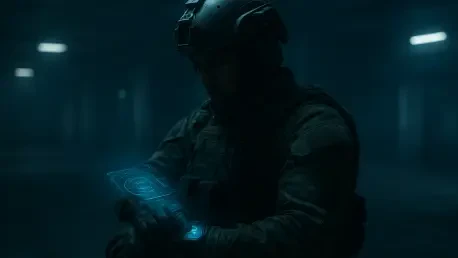

Smack Technologies expects to deliver a working prototype of its wrist-worn AI within a year to meet the urgent demands of modern electronic warfare. The battlefield environment has evolved into a dense landscape of signals and data, where seconds often determine the outcome of a tactical engagement. This device aims to consolidate complex sensor streams into a glanceable interface, allowing infantry to maintain situational awareness without bulky equipment or distracting headsets. By integrating machine learning directly onto a wearable platform, the system filters out the noise of traditional radio interference to highlight genuine threats. Current military operations face a significant challenge in processing information at the edge, where connectivity is often intermittent or compromised. This innovation represents a shift toward decentralized intelligence, ensuring that individual operators possess the same high-level data insights previously reserved for command centers. As modern conflict increasingly involves autonomous systems, providing soldiers with intuitive AI tools is no longer a luxury but a fundamental necessity for survival and operational efficiency.
Tactical Integration of Edge Computing
The integration of edge computing into a wrist-worn form factor addresses the persistent bottleneck of data latency that plagues current military communications networks. In high-intensity combat zones, waiting for cloud-based processing or remote server verification can lead to critical delays in identifying enemy positions or incoming drone swarms. The hardware developed by Smack Technologies utilizes specialized low-power processors designed to run neural networks locally, reducing the reliance on vulnerable satellite links. This localized approach not only enhances speed but also strengthens security by minimizing the electromagnetic footprint of the unit, making it harder for adversaries to track individual soldiers through signal emissions. Furthermore, the AI is trained to recognize specific acoustic and visual patterns unique to modern weaponry, offering immediate alerts that are vibrating or visual in nature. Such capabilities allow for a more streamlined flow of information, where the technology acts as a silent partner rather than a cumbersome tool requiring constant manual input.
Transitioning from traditional ruggedized tablets to a wrist-worn interface marks a significant advancement in ergonomic design for the modern warfighter. Standard field computers often require a soldier to holster their weapon or divert their gaze for extended periods, creating dangerous vulnerabilities during active patrol or reconnaissance missions. The new AI-driven wearable utilizes a high-contrast display visible in both direct sunlight and low-light conditions, ensuring that tactical maps and biometric data remain accessible at all times. Sophisticated gesture controls and voice commands allow for hands-free operation, which is vital when navigating difficult terrain or handling equipment. Beyond simple navigation, the system provides real-time translation of foreign languages and signages, facilitating better interaction with local populations and allied forces. This level of utility ensures that the cognitive load on the individual is managed effectively, preventing information overload during the peak of a crisis. By focusing on the physical realities of combat, the developers have prioritized a user-centric design that enhances rather than hinders performance.
Advancing Situational Awareness Through Sensor Fusion
Sensor fusion represents the core of the wrist-worn AI’s ability to provide a comprehensive picture of the operational environment to every member of a squad. By aggregating data from various inputs, such as thermal imaging, acoustic sensors, and proximity radars, the device creates a multi-layered view of the surroundings that would be impossible for the human eye to perceive alone. The AI algorithms are capable of distinguishing between natural environmental movement and the deliberate, calculated movements of opposing forces, thereby reducing the frequency of false alarms. This capability is particularly useful in urban warfare settings, where high-density structures and overlapping signal noise can easily disorient even the most experienced personnel. As these units communicate with each other over short-range, encrypted mesh networks, the entire squad benefits from a shared tactical picture that updates in real-time. This interconnectedness allows for rapid reassessment of objectives as conditions change on the ground, fostering a more agile and responsive force that can outpace the decision-making cycle of any conventional opponent.
Looking forward, military leadership identified the need for standardizing these AI protocols to ensure interoperability across different branches and international coalitions. The successful development of this prototype suggested that the focus should shifted toward long-term power management and battery longevity to support extended missions in remote areas. Engineers and defense contractors collaborated to integrate kinetic charging solutions that harnessed the movement of the soldier to supplement the device’s power supply. This move toward energy self-sufficiency proved vital for maintaining a constant state of readiness without the logistical burden of heavy battery replacements. Strategic planners also emphasized the importance of continuous software updates to counter the rapid evolution of electronic countermeasures used by adversaries. Training programs were adapted to include data literacy, ensuring that operators could fully exploit the sophisticated insights provided by their wrist-worn companions. These steps established a robust framework for the deployment of advanced wearables, marking a transition toward a more technologically integrated and resilient infantry force capable of meeting any future challenge.







