



The recent consolidation within the industrial services sector, spearheaded by the landmark Frontline agreement, signifies a pivotal shift in how global supply chains and maintenance operations are managed across heavy industries. This strategic move is not merely a financial transaction but a blueprint for a more resilient and digitally integrated future where downtime is minimized through advanced analytics. As market participants analyze the ramifications of this deal, the focus shifts toward the seamless integration of legacy systems with cutting-edge automation technologies. The industrial landscape is now witnessing an unprecedented acceleration in the adoption of standardized protocols that promise to bridge the gap between regional service providers and multinational conglomerates. By establishing a unified framework for service delivery, the agreement addresses long-standing inefficiencies that have plagued the sector. This evolution demands a re-evaluation of traditional business models to ensure long-term viability in an increasingly competitive global marketplace.
Transformation: Redefining Operational Excellence
Connectivity: Integrating Digital and Physical Assets
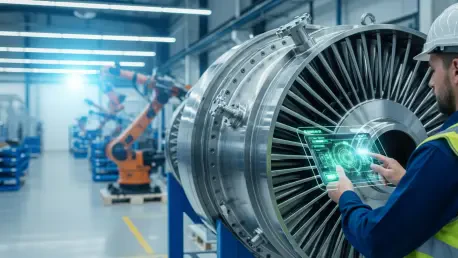
The integration of digital twins and real-time diagnostic tools has become the cornerstone of modern industrial maintenance strategies following the recent industry-wide realignment. Companies that once relied on reactive repair cycles moved toward proactive asset management by utilizing the massive data streams generated by internet-of-things sensors. This transition allowed facility managers to predict component failures weeks before they occurred, significantly reducing the financial burden of unscheduled shutdowns. The Frontline initiative specifically highlighted the necessity of a centralized data repository where information from disparate hardware could be synthesized into actionable intelligence. By standardizing communication protocols across various manufacturing platforms, the deal facilitated a era of interoperability that was previously hindered by proprietary software silos. Consequently, the ability to monitor the health of high-value machinery in real time became a standard requirement rather than a luxury for top-tier service providers seeking to maintain their market lead.
Capability: Advancing Workforce Training and Safety
Equipping the frontline workforce with advanced technological tools has proven essential in maintaining high safety standards and operational efficiency in a rapidly evolving sector. The implementation of augmented reality headsets allowed technicians to receive real-time guidance from remote experts, effectively bridging the skills gap within the industrial workforce. This hands-on, digital approach to training ensured that complex repairs were performed correctly on the first attempt, minimizing the risk of human error. Furthermore, the adoption of wearable sensors enabled continuous monitoring of worker health and environmental conditions, providing an extra layer of protection in hazardous environments. These systems were designed to alert personnel to potential dangers such as gas leaks or equipment malfunctions before they escalated into critical incidents. By prioritizing the human element of industrial services, the industry demonstrated that technological advancement and worker safety are mutually reinforcing goals. This strategic focus on the workforce not only improved morale but also enhanced the overall reliability of service delivery.
Strategy: Navigating the New Competitive Landscape
Consolidation: Scaling Through Strategic Market Alliances
The consolidation trend sparked by the Frontline agreement reshaped the competitive landscape by forcing smaller regional players to seek strategic alliances or niche specializations. This movement toward larger, more diversified service entities allowed for greater capital investment in emerging technologies that were previously out of reach for independent operators. The economy of scale achieved through these mergers enabled the deployment of sophisticated fleet management systems and automated logistics hubs, which streamlined the delivery of parts and labor. However, this shift also increased the pressure on firms to maintain high service standards while managing the complexities of larger organizational structures. To remain competitive, companies had to refine their value propositions, emphasizing not just speed of service but also the depth of their technical expertise and the reliability of their outcomes. The resulting market environment rewarded those who could balance the efficiency of a global giant with the personalized touch of a local specialist, creating a more robust and responsive industrial service market.
Perspective: Evaluating Long-Term Industry Outcomes
The successful navigation of the Frontline deal required industrial leaders to prioritize a total overhaul of their digital governance structures while fostering a culture of continuous learning. Organizations that invested heavily in cross-platform compatibility and real-time data integration realized immediate gains in operational resilience and client retention. It was essential for decision-makers to move beyond short-term cost-cutting measures and instead focus on building robust, scalable infrastructure that supported long-term growth. The industry recognized that the key to thriving in this new environment lay in the ability to anticipate market shifts through advanced predictive modeling and flexible workforce strategies. Future-proofing required the implementation of strict sustainability audits and the adoption of circular economy principles to mitigate environmental risks. Those who embraced these changes secured a competitive advantage by aligning their service delivery with the evolving expectations of a more demanding global clientele. The path forward demanded a relentless pursuit of innovation and a commitment to transparency across every level of the industrial service ecosystem.







