
By utilizing high-speed fiber-optic networks, the RTC maintains the critical responsibility of timing traffic signals across various local jurisdictions it does not directly own. This complex logistical arrangement positions the Regional Transportation Commission of Southern Nevada as the central nervous system for one of the most dynamic metropolitan regions in the nation. As both a transit authority and a metropolitan planning organization, the agency navigates the unique demands of a 24-hour economy. The shift from a reactive management style to a proactive, data-driven framework has become essential as the Las Vegas Valley continues to expand and attract global attention. By leveraging a massive physical infrastructure, including over 1,300 cameras and 700 freeway detectors, the RTC has created a digital ecosystem that monitors movement with unprecedented precision. This infrastructure serves as the foundation for a smarter city that prioritizes safety and efficiency.
Operational Excellence: Integrating Real-Time Operations and Collaboration
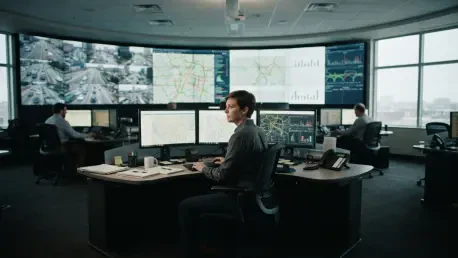
The Freeway and Arterial System of Transportation, commonly known as FAST, stands as the operational heart of the region’s traffic management strategy. By physically co-locating the FAST team with the Nevada Highway Patrol and the Nevada Department of Transportation within a single Traffic Management Center, the agency facilitates an immediate and seamless communication loop. This arrangement ensures that when emergencies are reported through 911 calls, staff can instantly access live camera feeds to assess the situation. The ability to observe incidents in real time allows operators to make immediate adjustments to traffic signal timing and dynamic overhead message signs. Such rapid intervention is crucial for mitigating the ripple effects of congestion that often follow highway accidents or stalled vehicles. This collaborative model demonstrates how breaking down departmental silos can lead to more responsive public services that enhance the overall safety of the travel network.
A robust high-speed fiber-optic network provides the physical backbone for this connected environment, enabling disparate local jurisdictions to operate in a unified manner. While the RTC does not own every signal in the valley, its role in synchronizing these assets is vital for maintaining fluid movement across municipal boundaries. By adjusting signal patterns in response to live data, the agency provides drivers with the necessary information to navigate around delays effectively. This regional synchronization prevents the localized gridlock that typically occurs when traffic is diverted from a primary freeway onto arterial streets. The focus on inter-jurisdictional cooperation ensures that the traveler’s experience remains consistent, regardless of which city or county line they cross. This integrated approach to infrastructure management highlights the importance of shared data and common goals in achieving a resilient and adaptable metropolitan transportation system.
Proactive Safety: Leveraging Artificial Intelligence for Safer Roads
The RTC has adopted a rigorous pilot-first philosophy to integrate artificial intelligence into its daily operations, focusing on the core criteria of viability, accuracy, and scalability. Since 2017, the agency has utilized AI-driven software to parse vast amounts of public data and crowdsourced information, often identifying traffic incidents faster than traditional 911 reporting methods. This technological advantage has led to a significant improvement in incident response times, averaging a 12-minute reduction across the board. Such time savings are particularly critical during the “golden hour” following a severe injury, where rapid medical intervention can dramatically increase the chances of survival. By moving beyond traditional sensors and embracing software-based detection, the agency has demonstrated how modern tools can transform public safety. This transition underscores a broader trend where digital intelligence complements physical infrastructure to save lives in a modern urban environment.
Beyond incident response, artificial intelligence is being utilized as a predictive analytics layer on existing camera systems to enhance the safety of vulnerable road users. By tracking near misses between vehicles and pedestrians, as well as red-light violations and illegal turns, the RTC can identify dangerous traffic patterns before they lead to actual collisions. This data-driven approach allows urban planners to implement preventive measures at high-risk intersections where traditional accident reports might not have indicated a problem. Furthermore, the agency has improved transit reliability through next-generation signal prioritization software that tracks transit vehicle locations without relying on outdated hardware. This implementation has resulted in a nearly 10% improvement in on-time performance during peak weekday hours. By focusing on software-based solutions that overlay existing hardware, the agency maximizes public investment while creating a safer and more reliable environment for everyone.
Event Strategy: Managing High-Density Events and Surges
Las Vegas presents a unique set of challenges as a global destination that frequently hosts massive events, ranging from Formula One racing to professional football games. To address these surges in demand, the RTC established the Regional Events Traffic Management Working Group, which synchronizes the efforts of law enforcement, local agencies, and venue owners. This group operates using a “run of the show” strategy, creating a meticulous, minute-by-minute timeline of expected traffic patterns based on event schedules and historical data. By embedding agency staff directly at venues during these periods, the RTC maintains a high degree of situational awareness. This choreographed management style allows the agency to treat large-scale events as predictable surges rather than chaotic disruptions. The result is a more organized flow of people and vehicles, even when multiple major events occur simultaneously, ensuring that the city’s infrastructure can handle extreme pressure without collapsing into gridlock.
During peak weekends that see hundreds of thousands of visitors converging on the region, the RTC utilizes proactive traveler alerts and real-time signal adjustments to prevent widespread gridlock. This strategy was put to the test during significant multi-event weekends where football, hockey, and music festivals happened concurrently. By providing drivers with up-to-the-minute information through various digital platforms and message boards, the agency empowers travelers to make better navigational choices. This proactive communication reduces driver frustration and minimizes the duration of congestion around event centers. The success of these operations depends on close coordination between stakeholders who share a common operating picture of the region’s roads. By treating event management as a collaborative ballet of movement, the RTC ensures that the local economy can thrive without being paralyzed by traffic. This level of preparation serves as a scalable model for other tourism-heavy cities.
Digital Foundations: Establishing Governance and Regional Data Sharing
Implementing a successful digital transformation requires more than just new software; it necessitates a strong organizational foundation and clear governance protocols. The RTC involves its IT department from the very beginning of any technological project to manage essential requirements such as cybersecurity and server capacity. Furthermore, the agency has modernized its procurement processes to better navigate the nuances of Software as a Service and artificial intelligence agreements. Moving away from rigid, outdated contracting methods has allowed the agency to be more agile in adopting emerging technologies that solve specific transportation problems. Internal AI use policies have also been developed to ensure that data is used ethically and effectively across all departments. This focus on administrative and technical groundwork ensures that new systems are integrated safely into the existing infrastructure, providing a reliable platform for future innovation and ensuring public funds are used for actionable, high-impact technologies.
To achieve a comprehensive understanding of regional traffic conditions, the RTC uses Application Programming Interfaces to merge disparate data sources into a single dashboard. This “single pane of glass” visibility allows all partner agencies—regardless of their specific jurisdiction—to access and act upon the same real-time information. By sharing critical data across state lines with neighbors in California, Utah, and Arizona, the RTC ensures that personnel are prepared for large-scale closures or interstate travel disruptions. Regular tabletop training exercises further refine this regional coordination, testing the agency’s ability to respond to various emergency contingencies. This commitment to transparency and data sharing bridges the gap between local and state levels, creating a unified front in the effort to manage urban mobility. By serving as a regional data hub, the RTC fosters a culture of collaboration that extends far beyond the physical limits of its traffic management center in Nevada.
Future Insights: Implementing Next Steps for Urban Mobility
The successful integration of artificial intelligence and real-time data analysis in Southern Nevada has provided a clear roadmap for the future of metropolitan transportation. Agencies looking to follow this lead must prioritize the development of flexible governance structures that can accommodate the rapid pace of technological change. By advocating for double-duty infrastructure, where AI software overlays are used to maximize the utility of existing hardware, organizations can achieve significant safety and efficiency gains without the need for massive capital investment. The focus should remain on creating actionable insights rather than simply collecting vast amounts of data. This approach ensures that every technological deployment serves a specific purpose, whether it is reducing emergency response times or improving the reliability of public transit. The emphasis on incremental scaling through pilot programs allows for the validation of results before wider deployment across the regional network.
In the concluding phase of this modernization effort, the RTC focused on creating a resilient framework that prioritized regional collaboration and long-term sustainability. The agency demonstrated that a software-first approach could yield immediate benefits in safety and mobility for a rapidly growing population. By bridging jurisdictional gaps and fostering open communication with neighboring states, leadership established a scalable model capable of adapting to both daily commutes and massive global spectacles. These strategic investments in digital infrastructure ensured that the transportation network remained agile in the face of evolving urban demands. Moving forward, the focus shifted toward refining these predictive models and expanding the use of automated systems to further streamline traffic flow. The ultimate success of the program resided in its ability to transform raw data into a safer travel experience, proving that intelligent management was the key to handling urban complexity effectively.