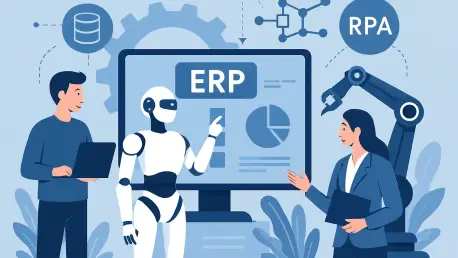

The rapid evolution of corporate digital ecosystems has reached a critical juncture where the simple deployment of standalone software bots no longer suffices for organizations aiming to achieve genuine operational excellence in a hyper-competitive global market. In 2026, the strategic focus shifted from fragmented task automation toward a holistic integration of Robotic Process Automation (RPA) within Enterprise Resource Planning (ERP) frameworks. This transition addresses the systemic gap between automated bots and the foundational data architectures of platforms like SAP and Oracle, ensuring that digital labor operates with the same context as human employees. By synchronizing the digital workforce with core operational software, businesses can transform disconnected tasks into cohesive, end-to-end digital workflows. This alignment prevents the creation of digital silos, which historically limited the scalability of automation efforts. Consequently, the unification of RPA and ERP has become a prerequisite for enterprises seeking to harness the full potential of their existing software investments while maintaining data integrity across all business units.
Strategic Process Standardization and Assessment
A fundamental rule of successful automation requires the optimization of a process before any attempt is made to digitize it, as automating an inefficient workflow merely accelerates failure. In 2026, practitioners realized that the “fix first” approach was the only way to avoid entrenching legacy errors into a permanent automated system. This methodology mandates that every process must be documented, analyzed for bottlenecks, and standardized prior to the development of software bots. By focusing on the removal of redundancies and the clarification of business logic, organizations ensure that their bots operate on a streamlined foundation. This rigorous preparation reduces the risk of technical debt and prevents the automated system from becoming a source of digital chaos. Furthermore, standardization allows for a more predictable interaction between the automation layer and the ERP, as the inputs and outputs become consistent. This level of preparation ensures that the transition to automation is not just a technological upgrade but a fundamental improvement in the logic and flow of daily business operations.
Strategic preparation involves a shift from anecdotal decision-making toward data-driven discovery and extensive stakeholder interviews to identify high-volume tasks. By targeting specific cycles like “Procure-to-Pay” or “Order-to-Cash,” organizations ensure that their automation efforts deliver a high return on investment and are sustainable over time. This phase focuses on identifying repetitive actions that consume significant human resources, allowing for a more objective assessment of process viability. When these high-impact areas are integrated with the ERP system, the benefits are compounded, as the bot can access real-time data from financial or material management modules without manual intervention. This approach moves the conversation away from vague automation goals and toward measurable performance indicators that can be tracked through the ERP. By prioritizing tasks based on their frequency and complexity, businesses can build a roadmap for digital transformation that starts with the most impactful areas. This methodical selection process ensures that every bot deployed contributes directly to the overall efficiency and strategic goals of the larger enterprise.
Technical Execution and Performance Monitoring
The technical execution of this integration focuses on building a “non-invasive” automation layer that respects the integrity of the underlying ERP software architecture. Using industry-standard platforms like UiPath, engineers design bots that mirror human logic and interaction patterns without requiring fundamental changes to the core system. This strategy is particularly effective for organizations using legacy systems or complex SAP landscapes, as it allows for modernization without the disruption of a total “rip-and-replace” project. The integration layer acts as a bridge, enabling bots to navigate ERP interfaces and enter data with high precision while adhering to existing security protocols. This collaborative effort between automation experts and internal IT teams ensures that the deployment is stable and does not interfere with other critical system functions. By maintaining the integrity of the original ERP software, companies can leverage the latest automation technology while keeping their core database secure. This balance between innovation and stability is essential for maintaining trust in the automated workforce and ensuring long-term system reliability.
Once the bots are live, the focus transitions to post-deployment optimization through the advanced use of process-mining tools such as Celonis or SAP Signavio. By monitoring bot performance in real time, organizations can identify hidden bottlenecks or process exceptions that were not apparent during the initial design phase. This creates a continuous improvement loop where the automation is refined based on actual performance data, including cycle times and error rates. If a bot encounters a data mismatch in the ERP system, the process-mining software flags the issue, allowing developers to adjust the bot’s logic quickly. This proactive monitoring ensures that the automation remains efficient even as business requirements or market conditions evolve. In 2026, the use of real-time analytics became standard for maintaining high-performing digital workforces, as it provides a clear picture of how automation interacts with the broader enterprise environment. This iterative approach prevents the “set it and forget it” mentality, ensuring that the automation strategy remains agile and capable of delivering sustained value in a dynamic and changing business landscape.
Industry Impact and Organizational Readiness
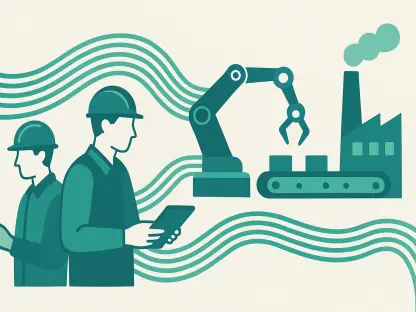
The integration of RPA and ERP is particularly transformative for high-transaction industries such as manufacturing, logistics, and financial services. Within the manufacturing sector, these integrated systems automate complex duties like inventory reconciliation and production planning updates, which are traditionally prone to human error. In finance, the combination of these technologies addresses the “time sinkholes” associated with invoice matching and bank reconciliation by allowing bots to verify data across multiple ERP modules instantly. This approach offers a cost-effective entry point for modernization, enabling firms to extract new value from their existing software investments without the risks associated with major system overhauls. Furthermore, the ability to automate goods receipt acknowledgments and supply chain updates in real time provides a significant competitive advantage in terms of speed and accuracy. By removing the friction from these core processes, businesses can respond more quickly to market demands and customer needs. This increased operational agility is a direct result of the seamless communication between the automated bot layer and the central ERP database.
Beyond the technical benefits, successful integration requires a focus on workforce enablement and organizational change management to ensure long-term success. As software bots take over the burden of repetitive data entry and routine clerical tasks, human employees must transition into higher-value analytical and creative roles. This shift requires specialized training and a cultural adjustment within the organization to foster a collaborative environment where humans and bots work in tandem. Aligning this digital transformation with established governance and security protocols ensures that the new automated ecosystem satisfies both operational needs and IT compliance requirements. In 2026, the most successful companies were those that treated their human employees as the supervisors of the digital workforce rather than its replacement. This approach not only improves morale but also maximizes the return on human capital by allowing staff to focus on strategic initiatives that drive growth. By creating a clear pathway for professional development in the age of automation, organizations can build a more resilient and adaptable workforce that is capable of thriving alongside evolving technological systems.
Strategic Implementation and Actionable Next Steps
The move toward deep ERP and RPA integration represented a fundamental maturation of the digital transformation landscape for modern enterprises. Organizations that successfully bridged the gap between these two technologies established a robust framework for long-term scalability and operational transparency. The transition to this model required a disciplined focus on process cleansing, technical stability, and continuous performance monitoring to ensure that automation goals were consistently met. Moving forward, businesses should prioritize the audit of their current manual ERP workflows to identify the most suitable candidates for robotic intervention. Investing in process-mining capabilities early in the deployment phase was proven to be a critical factor in identifying and resolving bottlenecks before they impacted the bottom line. Furthermore, establishing a cross-functional center of excellence that includes both IT and business stakeholders ensured that automation remained aligned with broader corporate objectives. These proactive steps allowed companies to transform their ERP systems from static databases into dynamic engines of growth, securing their place in an increasingly automated and data-driven global economy.