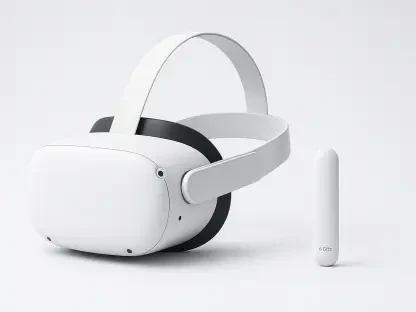

The arrival of the Samsung Galaxy XR on British soil signifies a major expansion in the spatial computing sector, following its initial launch success in South Korea and the United States late last year. As the technology landscape shifts toward high-fidelity mixed reality, Samsung is positioning its latest hardware as the primary gateway for European users seeking a balance between high-end performance and practical usability. This expansion is not merely a regional release but a strategic attempt to capture the high-end market share that has been left open by shifting competitor focuses and the high entry costs of rival platforms. By bringing this sophisticated device to the UK, the company aims to prove that the infrastructure for a widespread spatial computing ecosystem is finally ready for professional and consumer integration. The rollout involves a meticulously planned distribution network that ensures immediate availability across major metropolitan hubs, effectively bridging the gap between niche tech enthusiasm and general consumer adoption in a market known for its high standards for wearable tech.
Market Entry and Regional Distribution Strategy
Samsung has orchestrated a robust launch campaign that prioritizes direct engagement with the British public through a series of hands-on events and dedicated showcase locations. Starting with a pre-order window that precedes the official shipping date of July 8, the company is ensuring that the interest surrounding its spatial computing entry translates into physical presence at flagship venues like London’s Samsung KX and the Manchester Trafford Centre. These demonstrations allow prospective buyers to experience the fidelity of the headset firsthand, which is a crucial step in justifying the investment for a new category of technology. By focusing on these high-traffic retail environments, the brand creates a tactile connection with users who might otherwise be hesitant about the ergonomics or visual clarity of mixed reality. This localized strategy demonstrates a commitment to the UK market that goes beyond digital advertising, fostering a sense of community and providing technical support for early adopters who are ready to transition from traditional screens to immersive workspaces.
The financial framework for the UK release centers on a starting price of £1,699, which positions the device as a premium alternative that remains more accessible than some of its thousand-pound competitors. A modular approach to sales has been implemented, allowing consumers to purchase the core headset unit and then select specific accessories such as dedicated controllers, a protective travel case, or a specialized smart keyboard based on their individual requirements. While this flexibility can lower the initial entry price, achieving the full professional configuration requires a more significant total investment from the user. To mitigate this, early promotional incentives include a 30% discount on accessory bundles and unique checkout codes for those who participate in the nationwide demo events. Such aggressive pricing and incentive structures are clearly intended to disrupt the established hierarchy in the XR market, encouraging a rapid migration of users who are looking for high-value hardware that does not compromise on modern features or build quality.
Engineering Prowess and Immersive Hardware Design
Underpinning the visual performance of the Galaxy XR is the powerful Qualcomm Snapdragon XR2+ Gen 2 chipset, which provides the necessary computational overhead to drive complex environments without lag. The visual experience is defined by dual 4K micro-OLED panels that deliver a staggering combined resolution of 27 megapixels, ensuring that text and intricate textures remain sharp even at close distances. With variable refresh rates that peak at 90Hz and a wide field of view, the hardware successfully minimizes the screen-door effect that plagued earlier iterations of head-mounted displays. This level of visual fidelity is essential for professional applications, such as architectural visualization or medical training, where every detail must be rendered with absolute precision. By integrating such advanced display technology, Samsung addresses one of the primary complaints of the spatial computing era, which is the lack of clarity in virtual text and high-definition media playback, making the device a viable replacement for traditional high-resolution monitors.
Ergonomic considerations have been prioritized to ensure that the device remains comfortable during extended periods of use, which is critical for maintaining productivity in a professional setting. The headset itself weighs 545g, but the inclusion of an external battery pack allows for a more balanced distribution of weight across the head strap, reducing the strain on the wearer’s neck and face. This external power source provides roughly two to three hours of active use, which is sufficient for deep-work sessions or long-form entertainment consumption. Sensory input is managed by an impressive array of 19 cameras and sensors that work in tandem to provide precise spatial mapping, eye tracking, and hand gesture recognition. These components enable a high-fidelity passthrough mode, which allows users to see their physical surroundings with minimal distortion while overlaying digital elements. This seamless integration of the real and virtual worlds is facilitated by the sensor suite’s ability to map the environment in real-time, ensuring that digital objects remain anchored to physical surfaces.
Software Synergy and Intelligence Integration
The operational heart of the Galaxy XR is the Android XR platform, a collaborative software architecture developed by Samsung in partnership with Google and Qualcomm to create a unified ecosystem. This strategic alliance ensures that the device is not launched into a vacuum but instead has immediate access to a vast library of existing applications through the Google Play Store. Users can easily transition their mobile workflows to a spatial environment, utilizing familiar tools for communication, creativity, and project management without needing to wait for developers to build dedicated XR versions of their software. This approach effectively solves the app gap that has historically slowed the adoption of new hardware platforms, providing value to the consumer from the very first boot. Furthermore, the integration of the Android framework allows for deep synchronization with other Samsung Galaxy devices, creating a cohesive experience where notifications, files, and settings are shared between a smartphone, tablet, and the headset, reinforcing the digital ecosystem.
Artificial intelligence is deeply woven into the core user experience through the implementation of Google’s Gemini, a context-aware assistant designed to interpret the user’s surroundings through the lens of the headset. This AI integration allows the device to recognize physical objects and provide real-time information or assistance based on what the user is looking at, transforming the headset from a display tool into an intelligent advisor. Beyond consumer-facing AI, the software includes comprehensive enterprise support, featuring mobile device management tools that are essential for corporate deployment and data security. The ability to tether the headset to Windows-based PCs further enhances its role as a productivity hub, allowing users to manifest multiple virtual monitors within their physical workspace for complex multitasking. By combining intelligent context awareness with robust professional features, the Galaxy XR positions itself as a versatile tool for the modern workforce, catering to the needs of remote employees who require a portable yet powerful computing environment.
Competitive Dynamics and Future Ecosystem Expansion
The timing of the British launch places Samsung in a direct and advantageous competition with established players, particularly as the market for ultra-premium headsets undergoes a period of realignment. With the Apple Vision Pro facing challenges related to its high price and specific developer requirements, the Galaxy XR emerges as a compelling alternative that offers similar high-end specifications at roughly half the cost. This price-to-performance ratio is a significant factor for British consumers who are increasingly looking for value without sacrificing the latest technological advancements in spatial computing. Samsung’s decision to utilize an open software platform also appeals to a broader demographic of developers and users who prefer the flexibility of the Android ecosystem over the more restricted nature of proprietary systems. By capitalizing on this market gap, the company is not only seeking to attract tech enthusiasts but is also courting industrial and educational sectors that require cost-effective solutions for large-scale deployments.
Looking toward the long-term growth of the spatial computing sector, the Galaxy XR serves as the flagship for a broader roadmap that includes more portable and specialized wearable technology. Plans are already in motion to introduce Galaxy Glasses, which will provide a lighter and more affordable entry point focused on augmented reality and AI-driven mobile connectivity for everyday use. This tiered strategy allows the company to cover the entire spectrum of user needs, from the high-immersion requirements of a dedicated XR headset to the casual, always-on utility of smart eyewear. By maintaining a unified software platform across these various hardware tiers, the brand is building a comprehensive ecosystem that could eventually redefine human-computer interaction in the same way the smartphone did a decade ago. The commitment to a diverse hardware lineup ensures that as the technology matures and consumer preferences evolve, there will be a specific device tailored for every context, whether it is high-intensity professional rendering or notifications during a commute.
Strategic Outlook and Future Integration
The successful introduction of the Galaxy XR into the United Kingdom established a clear blueprint for how high-end spatial computing can be effectively marketed to a demanding audience. By focusing on a combination of hardware excellence and software familiarity, the strategy addressed the primary barriers to adoption that previously hindered the growth of mixed reality. The emphasis on localized hands-on experiences and a modular pricing structure proved to be instrumental in converting curiosity into commercial success, allowing the brand to secure a dominant position within the European tech landscape. As the industry moved toward a more integrated future, the lessons learned from this rollout provided essential data on user preferences and professional requirements, shaping the development of subsequent software updates and hardware iterations. Stakeholders who embraced this new computing paradigm early on found themselves better positioned to navigate the complexities of a digital world that no longer relied on flat screens.
Looking ahead, businesses and individual users should begin evaluating their existing digital infrastructure to determine how immersive tools can best augment their specific workflows. The shift toward spatial computing suggests that the traditional boundaries between mobile and desktop environments will continue to blur, requiring a more flexible approach to software development and content creation. Companies that prioritize early integration and staff training with these new tools will likely gain a competitive advantage as the ecosystem matures and becomes more interconnected. While the initial investment remains significant, the potential for increased efficiency and enhanced creativity offers a clear path toward a more dynamic digital future. By focusing on interoperability and user-centric design, the industry is moving away from isolated gadgets and toward a comprehensive environment where the digital and physical worlds coexist seamlessly, fundamentally changing how information is consumed and manipulated in everyday life as these technologies become standard.