



Laurent Giraid is a seasoned technologist whose career has been defined by the intersection of artificial intelligence and human-centric design. With a deep background in machine learning and the ethical implications of biometric data, he offers a unique perspective on how major global hubs are reimagining the traveler experience. Today, we delve into the evolution of Incheon International Airport’s “Smart Pass” system, exploring how facial recognition is transforming the frantic pace of airport terminals into a more seamless, paperless journey for millions.
Our discussion centers on the phasing out of physical documentation at departure gates, the strategic expansion of biometric infrastructure across Incheon’s terminals, and the integration of financial technology to streamline passenger registration.
The implementation of the Smart Pass system at Incheon International Airport marks a significant shift away from traditional documentation. How do you perceive the impact of this transition on the actual physical flow and psychological state of the modern traveler?
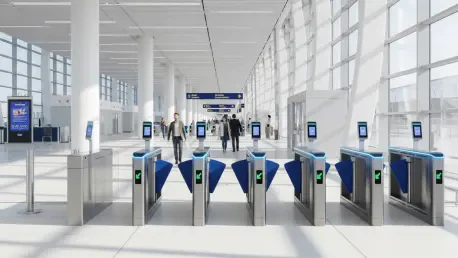
When we look at the logistics, the expansion from four to five dedicated gates at Terminal 1 and Terminal 2 is more than just a minor infrastructure tweak. For a traveler, the sensory experience of an airport is often defined by the stress of fumbling for a passport or a boarding pass while balancing luggage and tight deadlines. By utilizing facial recognition, we are essentially turning the human face into a universal key, which dramatically shortens waiting times and eases the bottleneck at Gates 2 and 5 in T1. The corporation’s goal to expand these facilities to 50 percent of all operational units suggests a future where the terminal feels less like a series of checkpoints and more like a fluid path. It is about replacing the anxiety of “where is my paper?” with the quiet confidence of simply walking through a gate.
Beyond the airport walls, the Smart Pass service is integrating with various financial applications and airline partners. What does this level of cross-industry collaboration tell us about the future of digital identity?
The fact that travelers can register their facial data through five different Korean airlines or even through major banks like Shinhan and Woori is a masterclass in ecosystem integration. This isn’t just about aviation; it is about creating a centralized digital identity that follows the user from the moment they book a flight. By incorporating these services into apps like Toss or KB Kookmin Bank, the system meets the user where they already spend their time, making the technology feel less intrusive and more like a helpful extension of their digital life. We see a clear move toward a permanent registration model where the initial setup happens long before the passenger sees a terminal kiosk. This strategy ensures that digital innovation is not just a technical achievement, but a practical utility that feels as natural as paying with a smartphone.
Incheon is looking to promote the Smart Pass service right from the flight booking stage to ensure a relaxed departure. How do these proactive measures redefine the standard for international aviation security and convenience?
The initiative to inform passengers during the booking stage and provide permanent registration booths inside the terminals reflects a deep commitment to user-centric design. It takes the burden of preparation off the individual and places it into an automated, highly secure framework that works silently in the background. As passenger volumes continue to grow, the ability to process travelers through biometric gates 1D, 2C, and 2D without manual document checks is what will prevent the entire system from grinding to a halt. It fosters a sense of safety that is bolstered by efficiency, proving that digital innovation can actually make high-traffic environments feel personal and manageable. By focusing on the entire departure process—from booking to the final boarding gate—the airport is setting a global benchmark for how technology can humanize the travel experience.
What is your forecast for the evolution of biometric travel technology in the next decade?
I anticipate that we will see a global standardization where your face becomes the only credential you need to cross borders, check into hotels, or access secure transportation. The progress we are seeing at Incheon, aiming for 50 percent facility coverage, is just the beginning of a total shift toward invisible borders. Eventually, the physical “gate” as we know it might disappear, replaced by ambient sensing technology that identifies you as you walk, never requiring you to stop or slow down. This will turn international travel from a series of high-friction events into a seamless, end-to-end journey that feels entirely effortless for every passenger involved.







