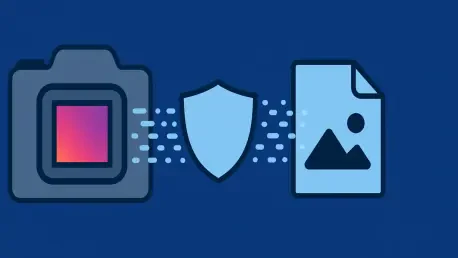

The Apple Reference Image system establishes a hardware-based root of trust that prevents the use of modified sensors or unauthorized component swaps. This development emerges at a time when the ubiquity of generative artificial intelligence has fundamentally eroded the traditional perception of photography as an indisputable record of historical truth. In 2026, the ease with which photorealistic images can be fabricated or altered means that visual evidence no longer carries the weight it once did in legal, journalistic, or personal contexts. As synthetic media becomes indistinguishable from reality, the demand for a verifiable chain of custody from the camera sensor to the final display has reached a critical juncture. Apple’s approach does not merely append data to an existing file but rather reimagines the entire architecture of digital capture to ensure that every pixel can be traced back to a specific, untampered hardware event. By addressing the vulnerabilities found in previous standards, this framework provides a necessary anchor for veracity in a world increasingly filled with digital hallucinations. This strategy prioritizes the integrity of the image while maintaining the strict privacy standards that modern users expect from high-end mobile devices, especially when documenting sensitive or high-stakes environments.
Core Pillars of High-Assurance Provenance
Fundamental Requirements for Trust
The foundation of the Apple Reference Image framework rests on three non-negotiable principles that dictate how a device must behave during a high-stakes capture event. The first principle, semantic authenticity, mandates that the final image viewed by a person must be an accurate representation of the physical scene that the sensor observed. This prevents subtle but damaging AI-driven modifications, such as the addition or removal of a person from a crowd, which could change the entire narrative of a photograph. By creating a direct cryptographic link between the raw sensor data and the compressed JPEG file, the system ensures that any deviation from the original scene is detectable by the end user or a third-party verifier.
Furthermore, the system is designed to be self-correcting by requiring a transparent disclosure of any processing applied to the image. In an environment where software enhancement is common, distinguishing between a harmless low-light correction and a malicious semantic change is vital. Apple’s framework provides a methodology for certifying that the pixels have not been hallucinated by a machine learning model but were derived through standard, auditable photographic processes. This level of transparency is essential for building a sustainable ecosystem of trust, where viewers can confidently rely on the visual information presented to them in news feeds, legal documents, and digital archives.
Resilience to Hardware and Software Compromise
A high-assurance provenance system must remain effective even if the primary operating system of the device has been completely compromised. Traditional security models often fail when an attacker gains root access to the software, allowing them to intercept and alter data before it is signed. Apple’s architecture mitigates this risk by performing critical security operations within isolated hardware environments that are independent of the standard iOS kernel. This ensures that even a jailbroken device cannot spoof the origin of a reference image, as the cryptographic keys and the signing logic are physically walled off from the rest of the system’s memory and processing units.
The second aspect of this resilience involves protecting the device against physical tampering, such as the installation of a counterfeit sensor or the replacement of original components with malicious hardware. Because the system utilizes a hardware-based root of trust established at the factory, it can verify the unique signature of the internal camera components during every capture. If a sensor does not match the cryptographic identity recorded during the manufacturing process, the system will refuse to generate a verified reference image. This prevents sophisticated attackers from using “Frankenstein” devices that combine authentic parts with modified components to produce forged visual evidence.
Bridging the Gap Between Raw Data and Viewable Images
The Secure Digital Negative
Translating the raw measurements of a light sensor into a viewable picture involves a complex series of mathematical transformations that have historically been vulnerable to interference. Apple’s solution is the creation of a Secure Digital Negative, which represents a snapshot of the sensor’s state at the exact moment of exposure. During this process, the sensor firmware is placed into a locked execution mode that prevents any external software from modifying the pixel data before it is cryptographically signed. This “frozen” state acts as a baseline for all subsequent processing, providing a point of origin that can be verified by anyone who receives the final image file.
In addition to securing the pixels, the digital negative incorporates a highly accurate, hardware-level timestamp that does not rely on the device’s system clock. To achieve this, the iPhone 18 Pro utilizes a “heartbeat” mechanism that regularly receives signed tokens from a distributed network of time servers. By binding the image capture to these tokens, the framework can prove that a photograph was taken within a specific, narrow window of time. This prevents “replay attacks” where an old photo is presented as new, or a future event is predicted through fabricated metadata, ensuring that the temporal context of the image is just as secure as its visual content.
Verifiable Development via Private Cloud Compute
Converting a Secure Digital Negative into a standard JPEG requires a significant amount of computational power, which Apple manages through its Private Cloud Compute (PCC) infrastructure. This cloud-based environment is designed to be completely stateless and transparent, allowing independent researchers to inspect the code responsible for processing the images. When a user chooses to “develop” their reference image, the digital negative is sent to a PCC node that performs demosaicing, noise reduction, and color correction in a verifiable manner. This ensures that the transition from raw data to a viewable format does not introduce any unauthorized semantic changes or hidden AI enhancements.
The use of PCC also allows for a layer of verification that would be too intensive for the mobile device alone. Each PCC node checks the hardware signatures attached to the digital negative against a global manifest of legitimate Apple devices. If the cloud service detects any discrepancies or signs of emulation, it will refuse to issue a final authenticity certificate. This centralized but privacy-preserving step acts as a final filter, ensuring that only images produced by genuine, untampered hardware are ever labeled as verified reference images. This process maintains the speed and convenience of modern smartphone photography while adding a layer of security that was previously only available in specialized laboratory environments.
Safeguarding Integrity Through Hardware and Revocation
Establishing a Factory-Level Root of Trust
The integrity of the Apple Reference Image system is fundamentally tied to the manufacturing process, where each device is granted a unique and secret identity. During the assembly of the iPhone 18 Pro and iPhone 18 Pro Max, the Secure Enclave Processor and the camera sensor generate a pair of cryptographic keys that are never shared with anyone, not even Apple. A public version of these keys is then bundled into a device manifest, which is signed by the factory’s Certificate Authority. This manifest serves as a birth certificate for the hardware, proving that these specific components were paired together by the manufacturer and have not been altered since they left the production line.
This deep integration between the hardware components allows the device to self-verify its state before every high-assurance capture. When the user initiates a reference photo, the Secure Enclave Processor communicates with the sensor to confirm that the connection is secure and that the sensor’s firmware has not been modified. If the verification fails, the system immediately disables the reference mode to prevent the creation of a fraudulent file. By anchoring the security in the physical silicon of the device, Apple removes the need for users to trust the software alone, creating a robust defense against both amateur hackers and well-funded state actors who might seek to manipulate digital evidence.
Implementing Robust Revocation Systems
Despite the strength of hardware-based security, no system is entirely immune to the possibility of a breach or a zero-day exploit. To address this reality, Apple has implemented a dynamic revocation system that can retroactively invalidate images if a specific device or sensor is found to be compromised. The Private Cloud Compute nodes use advanced neural networks to analyze the raw data of every incoming digital negative, looking for patterns that might suggest the use of an emulator or a modified sensor. If a particular hardware ID is associated with a high frequency of suspicious activity, that ID is added to a global revocation list that is updated in real-time.
Once a device ID appears on this list, any image it produces will be flagged as untrustworthy, and previously verified images will lose their status upon their next verification check. This ensures that the ecosystem remains clean and that attackers cannot continue to exploit a vulnerability once it has been discovered. The revocation list is distributed to all devices, allowing users to check the status of any reference image they receive without needing to contact Apple directly. This proactive approach to security acknowledges that the landscape of digital threats is always shifting, and it provides a mechanism for maintaining the long-term credibility of the verified photography standard.
Prioritizing Photographer Privacy and Anonymity
Anonymity in Authenticity
One of the most challenging aspects of verifiable photography is protecting the identity of the person who took the picture, especially in dangerous political or social climates. Many existing standards require a digital signature that is tied to a specific person or organization, which can act as a digital fingerprint that puts the photographer at risk. Apple’s framework solves this by separating the verification of the hardware from the identity of the user. Because the Private Cloud Compute infrastructure can prove that an image came from a legitimate iPhone without knowing who owns that iPhone, it can vouch for the photo’s authenticity anonymously.
This is achieved through a “blind signing” process where Apple acts as a trusted intermediary. The PCC node confirms that the hardware is genuine and that the pixels are authentic, and then it applies a final signature that says, “this is a real photo from a real iPhone.” This signature does not contain any information about the device’s serial number, the user’s Apple Account, or the location of the capture. This allows a journalist or a whistleblower to share a verified image with the world, knowing that the file itself cannot be used to track them down or reveal their identity. This commitment to anonymity ensures that the most vulnerable photographers can still participate in the new era of verified visual communication.
Protecting User Identity and Location
In addition to protecting the photographer’s identity, the system includes several layers of defense against the tracking of their physical location and digital habits. When the device requests a timestamp token or sends a digital negative to the cloud for processing, it uses the Oblivious HTTP protocol. This protocol wraps the request in multiple layers of encryption and routes it through a relay server, so that the final destination—Apple’s servers—can see the request but not the IP address of the sender. This prevents anyone, including Apple, from building a map of where a specific photographer is operating or how often they are taking verified images.
The architecture also prevents cross-image tracking, which is a common vulnerability in digital provenance systems. In many frameworks, an observer can tell if two different photos were taken by the same device by looking for matching metadata or hardware signatures. Apple Reference Image uses unique, one-time identifiers for every capture, ensuring that there is no linkable data between different images. Even if an investigator had access to a large library of reference images, they would have no way of knowing which ones were taken by the same person. This high level of privacy is essential for maintaining the freedom of the press and the safety of individuals in an increasingly monitored digital world.
Future-Proofing with Advanced Cryptography
Defending Against Quantum Threats
The emergence of quantum computing represents a significant threat to the long-term integrity of digital signatures, as these powerful machines could eventually crack the encryption used by most modern devices. If a verified photograph is intended to serve as historical evidence for decades, it must be protected against the technological advancements of the future. To solve this, Apple has integrated post-quantum cryptography into the final signing stage of the reference image process. By using the ML-DSA-87 algorithm, the system creates a signature that is designed to be resistant to the specialized calculations that a quantum computer would use to forge traditional keys.
This post-quantum defense is implemented as a “composite signature,” which combines the strengths of current RSA-3072 encryption with the new quantum-resistant algorithms. This dual-layer approach ensures that the image is secure against today’s threats while remaining valid in a future where quantum decryption might be common. By adopting these standards now, Apple is ensuring that the visual history recorded in 2026 will still be verifiable and trustworthy in 2046 and beyond. This forward-thinking strategy is a necessary component of any system that aims to preserve the truth for future generations, rather than just for the immediate moment of capture.
Long-Term Integrity and Verification
Ensuring that a photograph remains verifiable over a long period requires more than just strong encryption; it requires a standard that is accessible and easy to check. Apple’s framework produces a self-contained file that carries all the necessary information for verification within its own structure. This means that a viewer does not need to have a specialized account or access to a proprietary database to check the authenticity of a reference image. As long as they have a device that understands the open standards used by Apple, they can instantly see the “Verified” badge and review the metadata associated with the capture event.
The long-term integrity of the system is also supported by the fact that the Private Cloud Compute code is auditable. If there is ever a dispute about how an image was processed, researchers can look back at the specific version of the software that was running on the PCC nodes at the time of the capture. This historical record of the processing logic provides a level of accountability that is unprecedented in the world of consumer electronics. By creating a system that is transparent, decentralized, and resistant to future technological shifts, Apple has built a foundation for a digital record that can withstand the test of time, providing a reliable source of truth for the historians and legal professionals of the future.
The Technical Journey of a Verified Image
From Initial Capture to Final Delivery
The lifecycle of a verified reference image was a meticulously orchestrated sequence that began long before the user ever pressed the shutter button. At the moment of capture, the iPhone 18 Pro sensor and the Secure Enclave Processor worked in tandem to create a Secure Digital Negative that was cryptographically bound to a hardware-level heartbeat. This file was then transmitted through a privacy-preserving relay to Private Cloud Compute, where the raw data was transformed into a viewable format. Throughout this entire journey, the data remained encrypted and inaccessible to any unauthorized parties, ensuring that the content was never exposed to the risk of interception or modification.
Once the PCC nodes completed the development process, they applied a composite post-quantum signature that confirmed the hardware’s integrity. The final JPEG was then delivered back to the user’s device, where it was stored alongside a detailed log of its provenance. To protect the user’s privacy, the original digital negative was automatically purged from the cloud servers as soon as the final image was generated, and the local copy was moved to a deleted folder. This streamlined workflow allowed professionals to capture and share verified content with the same speed and ease as a standard photograph, but with a level of security that was previously impossible in a mobile format.
Establishing a New Benchmark for Digital Veracity
The introduction of the Apple Reference Image system marked a turning point in the industry’s response to the crisis of trust in digital media. By refusing to rely on easily spoofed metadata, Apple provided a tangible solution for the challenges posed by generative AI and digital manipulation. This framework demonstrated that it was possible to create a high-assurance record of reality without compromising the privacy or safety of the photographer. It offered a path forward for journalists and legal professionals who required a reliable way to authenticate their work in an increasingly synthetic landscape, where the line between fact and fiction had become dangerously blurred.
By integrating secure hardware and auditable cloud computing, the technology community moved closer to a standard where truth was no longer a matter of opinion. The success of this system encouraged other manufacturers and software developers to prioritize hardware-level security and transparency in their own products. As the digital world continued to evolve, the principles established by this framework served as a guide for building a more honest and accountable internet. The verified photography movement was not just about protecting images; it was about protecting the shared reality that allowed society to function, ensuring that the first photon captured by a lens would always lead to a final pixel that the world could trust.