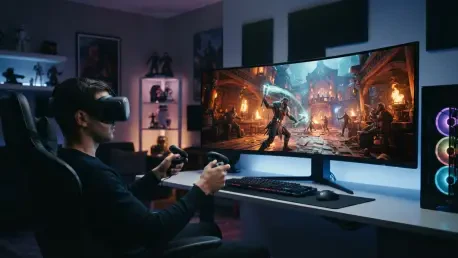

The open-source nature of the Venture project allows the VR community to inspect the code, though the software has not yet undergone a formal security audit. This initiative represents a bold attempt to dismantle the walled gardens that have long defined the virtual reality landscape by allowing Android-based Meta Quest titles to run natively on Windows and Linux systems. For years, enthusiasts have looked for ways to experience high-fidelity mobile exclusives like Batman: Arkham Shadow or Asgard’s Wrath 2 on superior PC hardware. Venture utilizes the OpenXR runtime to bridge this gap, treating mobile builds as local PC processes rather than mere video streams. This approach promises a level of visual clarity and latency reduction that traditional cloud or local streaming solutions simply cannot match. While the technical hurdle of translating ARM-based instructions to x86 architecture is immense, the project has already demonstrated that the dream of hardware agnosticism is within reach for the dedicated community.
Technical Breakthroughs in Cross-Platform Virtual Reality
Implementation of OpenXR and Native Translation
The core mechanism behind Venture involves a sophisticated translation layer that allows the Meta Quest’s Android-based binaries to communicate directly with PC-based graphics drivers and VR runtimes. Unlike previous attempts that relied on heavy virtualization or video compression, this emulator treats the game code as a native application, effectively tricking the software into believing it is running on a high-performance mobile chipset while actually leveraging the raw power of a modern desktop GPU. This methodology is significant because it maintains the spatial tracking and controller input fidelity required for an immersive experience. By utilizing the OpenXR standard, Venture ensures compatibility with a wide range of hardware, including Valve Index and high-end enterprise headsets. This technical synergy allows for advanced features like supersampling and higher refresh rates, which are often limited by the thermal constraints of mobile processors. The project signifies a shift toward a more unified VR ecosystem where software is no longer strictly bound by the specific hardware it was originally designed for.
Benchmarking High-End Performance and Stability
Early testing of the Venture emulator has focused on a curated selection of approximately 25 high-profile titles, including Resident Evil 4 and various indie favorites. The developer has showcased results using flagship hardware like the RTX 5090, achieving frame rates that exceed what standalone Quest hardware can offer. However, the label of a game being “working” is nuanced; it indicates that the software renders frames without critical graphical glitches, but does not guarantee a bug-free experience. Users must navigate a landscape where driver versions and specific runtime configurations can radically alter performance. For instance, a title that runs well on a Windows-based OpenXR setup might encounter shader compilation stutters or input lag on a Linux machine. Current development requires technical literacy, as users often need to manually tweak configuration files to achieve optimal stability. While the potential for mobile VR on PC is undeniable, it remains an experimental frontier for enthusiasts rather than a consumer-ready solution for the general public.
Security Implications and Digital Sovereignty
Account Integrity and Compliance Challenges
One of the most significant hurdles for potential users is the requirement to authenticate with an official Meta account to access their purchased library. Since Venture is an independent project without any official backing, this process introduces risks regarding privacy and account integrity. There is a legitimate concern that using unofficial software to bypass hardware restrictions could violate Meta’s terms of service, potentially leading to permanent bans or the loss of digital purchases. Without a formal security audit, the community must rely on the transparency of the open-source code to ensure that sensitive login credentials are handled securely. Furthermore, the legal status of such emulation remains a gray area. While consumers argue for the right to play software they have legally purchased on the hardware of their choice, platform holders prioritize ecosystem lock-in to recoup development costs. This tension creates a precarious environment for early adopters who must weigh the benefits of enhanced fidelity against the possibility of technical lockouts or losing access to their entire virtual reality game library forever.
Strategic Pathways for Ecosystem Interoperability
The emergence of the Venture project provided a fascinating glimpse into a period where the boundaries between mobile and desktop virtual reality were increasingly blurred. It offered a technical pathway for enthusiasts to reclaim their digital libraries, though it also highlighted the ongoing tensions between user freedom and platform security. To navigate this landscape, users were encouraged to maintain separate accounts for testing and to prioritize rigorous backups of their local data. The community recognized that the most effective way to support such innovations was through transparent code contributions and well-documented testing phases. Developers suggested that the next logical step involved advocating for official OpenXR standards that could eventually negate the need for third-party emulators. By focusing on interoperability and security, the VR industry moved toward a more inclusive model where the quality of the experience was no longer dictated solely by the hardware in a user’s possession. This period of experimentation served as a critical reminder that while technical limitations could be overcome, the true challenge lay in establishing a fair and secure framework for digital content access across all competing platforms.