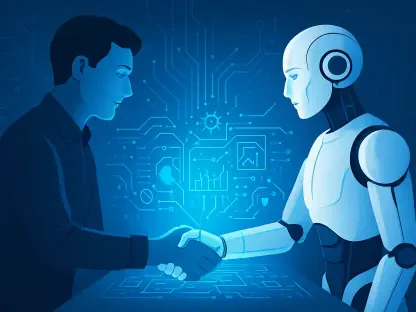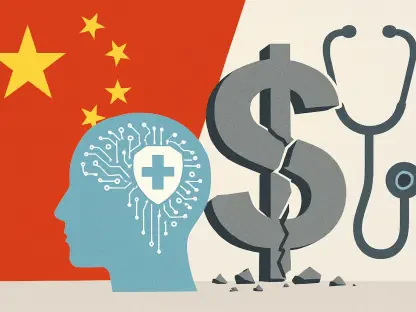

Lotte Innovate and Shinsegae I&C are leading a corporate movement to implement strict Data Loss Prevention solutions as a core requirement for all new employees. This shift reflects a broader transformation within the South Korean professional landscape, where the intersection of advanced technology and economic pressure is redefining the meaning of a successful career. In the current environment, the promise of generative AI is no longer viewed through a lens of pure optimism; instead, it is tempered by the rigorous demands of institutional security and the reality of a tightening global economy. As professionals navigate this era, they are discovering that technical proficiency must be paired with financial resilience and an uncompromising commitment to data integrity. The era of passive employment has ended, replaced by a model where individual vigilance and strategic adaptability are the primary drivers of longevity. This is not merely a change in corporate policy but a fundamental reorganization of the workplace itself.
The Evolution of Workplace Technology
Balancing Productivity and Data Integrity
The integration of generative AI tools like ChatGPT, Claude, and Gemini into the corporate world has created significant tension between operational efficiency and data security. While these tools offer unprecedented speed in coding and content creation, major system integration firms are now prioritizing security-first AI adoption to prevent the leakage of source code and internal strategy. For the modern employee, professional competence is increasingly measured by the ability to navigate these tools within strict compliance protocols. The goal is no longer just to work faster, but to innovate while maintaining a zero-trust stance toward external AI models that could compromise proprietary data. This environment requires a nuanced understanding of how information flows within digital ecosystems. Employees who fail to recognize the vulnerability of their digital footprints risk not only their own career trajectory but also the stability of their organizations.
Closing the Security Preparedness Gap
As data breaches become a primary concern for IT professionals, companies are shifting their focus toward robust Data Loss Prevention solutions that act as a gatekeeper for all internal information. Industry data from the Cloud Security Alliance highlights that nearly half of security professionals view generative AI as a primary vector for potential breaches. Despite this widespread recognition, a significant preparedness gap remains, with many organizations struggling to enforce strict blocks on sensitive information transmission to external models. This gap presents a unique opportunity for new hires who possess a baseline level of digital ethics and security awareness that was previously reserved for technical specialists. Those who can proactively protect corporate intelligence while utilizing AI will have a significant competitive advantage in a crowded job market. Success in this era requires a sophisticated understanding of where human creativity ends and data vulnerability begins today.
Economic Challenges for the Modern Workforce
Managing Financial Volatility and Debt
The current economic climate is characterized by persistent high interest rates that are putting immense pressure on household liquidity. Delinquency rates for overdraft accounts have surged by 67.7% this year, with delinquent balances reaching a staggering 118.7 billion won across major commercial banks. This financial strain is particularly evident among professionals in their 40s, who are often described as the backbone of the economy due to their high levels of productivity and consumption. Delinquency rates for this demographic have skyrocketed by 82%, indicating that even the most established segments of the workforce are struggling to manage their debt obligations in a high-cost environment. This trend suggests that personal financial health is no longer a private matter but a critical factor in maintaining professional stability. Workers are increasingly forced to pivot toward conservative financial management, prioritizing the reduction of high-cost debt and savings.
Establishing Resilience with Fixed Rates
Macroeconomic forecasts suggest that interest rates may remain elevated at 3.75% for the foreseeable future, closely tied to the growth cycles in sectors like semiconductors. For those early in their careers, this reality necessitates a rapid transition from credit-reliant lifestyles to long-term financial resilience strategies. One of the most effective moves in this landscape is switching from floating-rate to fixed-rate loans to mitigate the risk of further rate hikes. Personal financial health has become a prerequisite for career longevity, as the psychological and practical stress of mounting debt can significantly impact professional performance and decision-making. Navigating this landscape requires a disciplined approach to wealth preservation that mirrors the caution applied to corporate data. By adopting a defensive financial posture, professionals can ensure that economic volatility does not derail their career goals. Success is now measured by how income is protected.
Redefining Qualifications and Personal Growth
Transitioning to Practical Mastery
As AI continues to automate routine knowledge processing, the Ministry of Employment and Labor has initiated a comprehensive overhaul of the national technical qualification system. This reform, affecting over 540 different certifications, moves away from traditional memorization-based testing toward assessments that prioritize real-world application and situational judgment. These new standards even allow the use of AI during examinations to evaluate how candidates utilize technology to solve complex problems, rather than testing what they can recall from memory. This shift reflects a broader consensus that in an AI-driven world, the value of a professional lies in their ability to apply knowledge creatively and navigate field-specific challenges that automated systems cannot yet manage independently. Oral examinations and computer-based testing are now being prioritized to assess communication skills and judgment. These changes ensure that the workforce remains relevant as information becomes more ubiquitous.
Encouraging Proactive Pension Stewardship
The modern professional is no longer a passive participant in their financial future, especially regarding retirement planning and pension management. Recent regulatory changes allowing for in-kind transfers have sparked a surge in individual engagement, as workers can now move assets between providers without liquidating them. Brokerages like Kiwoom Securities are reporting significant growth in their retirement pension business as employees directly request consultations through mobile platforms. This democratization of financial management signifies a broader trend toward individualization, where workers are expected to be active stewards of their long-term wealth. The rise of digital tools for pension optimization reflects a workforce that is more financially literate and proactive than previous generations. Taking ownership of these assets is a critical component of the new professional standard, providing a necessary safety net in an era of economic uncertainty. This active management style is essential.
A New Blueprint for Professional Resilience
The convergence of technological vigilance and financial strategy defines the professional standard for this era. Individuals who successfully navigate these shifts realize that career longevity depends on a multifaceted approach to growth and security. By prioritizing Data Loss Prevention and embracing the government’s shift toward practical mastery, workers secure their place in an economy that favors application over memorization. Furthermore, the proactive management of debt and retirement portfolios ensures that financial volatility does not derail long-term professional objectives. Professionals who adopt a defensive stance toward data while pursuing offensive strategies in skill development find themselves better positioned for leadership. The transition from passive participant to active steward of one’s career and wealth has become the essential blueprint for stability. Looking ahead, the focus shifts toward maintaining this balance as global markets and AI capabilities continue to evolve. The successful professional is the one who remains prepared for the next wave of disruption.