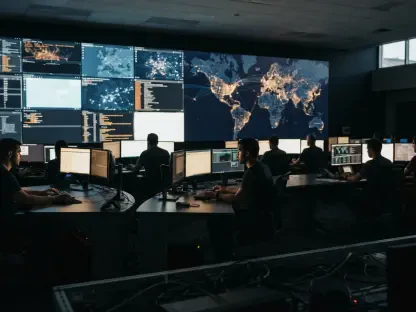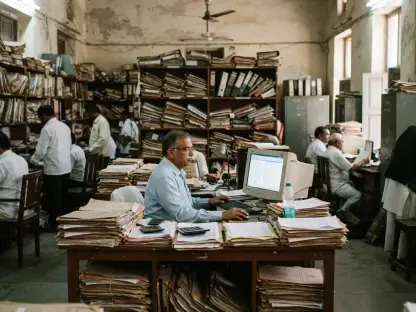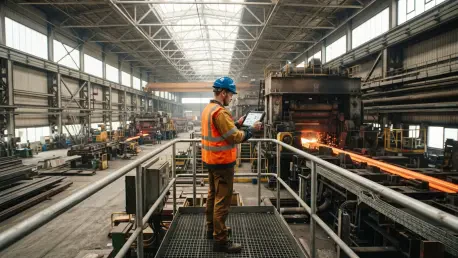

The careful blend of digital tools and human expertise ensures that industrial operations can meet aggressive green targets without compromising on safety or operational stability. Industrial transformation in the metals sector has reached a critical juncture in 2026, where the integration of digital tools is no longer a luxury but a fundamental necessity for survival in a volatile global economy. Historically, this industry operated within “islands of automation,” a fragmented landscape where approximately 80% to 90% of systems functioned in isolation. This lack of communication between assets made it nearly impossible for plant managers to achieve a comprehensive overview of their operations, leading to significant inefficiencies and missed opportunities for optimization. However, the contemporary shift toward Industry 4.0 has dismantled these silos, replacing them with a connected ecosystem. By leveraging edge computing and cloud-based storage, producers have established centralized data repositories that serve as the lifeblood of modern production. This robust infrastructure provides the necessary transparency to monitor every stage of the manufacturing process, from raw material handling to the final rolling mill. As the industry matures, the focus has pivoted toward utilizing this wealth of data to drive measurable improvements in yield, quality, and environmental responsibility, setting a new standard for heavy industry worldwide.
Driving Sustainable Operations and Efficiency
Advancing Decarbonization Goals
Decarbonization has evolved into the central pillar of the metals industry, transcending its former status as a secondary corporate social responsibility goal. In 2026, the global push toward net-zero emissions has intensified, with stringent regulations and heightened consumer awareness placing immense pressure on steel and aluminum producers. Since these sectors are notoriously energy-intensive, the adoption of digital technologies has become the primary mechanism for meeting aggressive environmental targets. Advanced tracking systems now allow for the real-time monitoring of carbon footprints across the entire supply chain, from raw material extraction to the final finishing lines. This granular level of detail enables operators to pinpoint high-emission stages and implement targeted interventions that were previously impossible to identify. By integrating these digital insights into daily workflows, companies are not only reducing their environmental impact but also enhancing their market position. Green steel and low-carbon aluminum are now premium commodities, and the ability to verify sustainability claims through immutable digital data has become a key competitive advantage for producers looking to secure long-term contracts.
The role of digitalization in achieving these green targets extends far beyond mere monitoring; it involves the fundamental redesign of production logic through data-driven insights. Modern mills are increasingly utilizing sophisticated software to model the environmental impact of various operational scenarios before they are executed. This predictive capability allows for the optimization of resource usage, ensuring that every kilowatt of energy and every ton of raw material is utilized with maximum efficiency. Furthermore, the transition to sustainable operations has fostered a new level of collaboration between technology providers and industrial players. By sharing data across a unified platform, stakeholders can identify synergies that were previously hidden, such as heat recovery opportunities or more efficient logistics routes that minimize transportation emissions. This systemic approach to decarbonization ensures that environmental improvements are deeply embedded in the operational DNA of the plant rather than treated as an afterthought. As the industry continues to refine these processes, the focus remains on leveraging technology to balance the demands of high-volume production with the urgent need for ecological preservation.
Optimizing Energy Management
Energy management represents one of the most significant areas where Artificial Intelligence and Machine Learning provide immediate and substantial value to metals producers. In the energy-intensive environments of smelting and rolling, even a fractional percentage improvement in efficiency can translate into millions of dollars in savings and a massive reduction in CO2 emissions. AI-driven models are now capable of forecasting the performance of on-site power plants and turbines with unprecedented precision, often achieving results that are 15% more accurate than traditional manual methods. These models analyze a vast array of variables, including historical performance data, real-time sensor inputs, and external factors such as weather patterns and grid demand. By processing this information, the system provides operators with actionable insights into when to ramp up production and when to conserve energy. This shift from reactive to proactive energy management allows facilities to operate closer to their theoretical maximum efficiency, significantly reducing the waste associated with unforeseen fluctuations in power availability or sudden shifts in production requirements.
Beyond internal optimizations, digital tools have revolutionized the way metals producers interact with the broader energy market. In 2026, the volatility of energy prices and the increasing reliance on renewable sources require a highly sophisticated approach to electricity procurement. Rule-based algorithms and optimization modeling now allow industrial sites to align their production schedules with the availability of green energy on the grid. By timing the most energy-intensive processes—such as the operation of electric arc furnaces—to coincide with periods of high renewable generation or low market pricing, companies can drastically lower their operational costs while supporting overall grid stability. This strategic alignment is made possible by the seamless integration of market data into the manufacturing operations management systems of the plant. The result is a highly responsive production environment that can adapt to changing energy landscapes in real time. This level of agility not only protects the bottom line but also reinforces the industry’s commitment to sustainability by ensuring that the energy consumed is as clean and cost-effective as possible.
Solving the Workforce Crisis and Frameworks
Preserving Institutional Knowledge
The metals industry is currently navigating a period of significant demographic transition, often referred to as the “silver tsunami.” This phenomenon involves the simultaneous retirement of a large cohort of highly experienced workers who have spent decades mastering the complexities of industrial processes. The departure of these veterans poses a significant risk to operational stability, as much of their expertise exists as tacit knowledge that is not documented in standard operating procedures. To mitigate this risk, companies are turning to Artificial Intelligence and automation as vital tools for knowledge retention and transfer. By capturing the nuanced decision-making patterns of senior operators through digital monitoring and data logging, organizations can create a digital twin of human expertise. These systems analyze how experienced personnel respond to specific process variables or equipment anomalies, effectively codifying years of experience into accessible digital formats. This proactive approach ensures that when a veteran worker retires, their deep process knowledge remains available to the organization, preventing a sudden drop in operational competence and ensuring continuity in production quality.
The implementation of “connected worker” applications has become a standard practice for onboarding and supporting the next generation of industrial employees. These applications serve as digital assistants, providing real-time guidance and process insights to less experienced workers through mobile devices or wearable technology. When an operator encounters a problem on the plant floor, the AI can cross-reference the current situation with historical data and the documented strategies of past experts to suggest the most effective course of action. This not only accelerates the learning curve for new hires but also enhances safety by ensuring that all actions are guided by proven expertise. Furthermore, the use of Augmented Reality allows remote experts to provide hands-on support from anywhere in the world, overlaying digital instructions onto the physical equipment. This collaborative environment fosters a culture of continuous learning and ensures that the workforce remains capable of managing increasingly complex digital systems. By bridging the gap between traditional craftsmanship and modern technology, the industry is successfully preserving its core expertise while evolving for the future.
Utilizing Analytics Platforms
Central to the digital transformation of the metals industry is the adoption of comprehensive, vendor-neutral data analytics platforms that can integrate disparate data sources into a unified resource. Advanced systems now serve as the bedrock for industrial automation, providing the networking and collaboration capabilities necessary for modern production. In 2026, these platforms have evolved to incorporate advanced Machine Learning layers that can process the massive datasets generated by Distributed Control Systems. By consolidating information from upstream stockyards, pellet plants, and downstream finishing lines, producers can achieve a holistic view of the entire value chain. This enterprise-wide visibility is essential for identifying bottlenecks, optimizing throughput, and ensuring consistent product quality across different shifts and locations. The ability to analyze data in its full context allows for more sophisticated performance optimization strategies that take into account the entire production cycle. These platforms empower decision-makers with the insights needed to balance competing priorities, such as maximizing production volume while minimizing energy consumption.
One of the most impactful applications of these advanced analytics platforms is the transition from traditional, schedule-based maintenance to AI-driven predictive analytics. In the past, equipment was often serviced at fixed intervals or only after a failure had occurred, both of which resulted in significant unnecessary costs and downtime. Today, Machine Learning algorithms continuously monitor the health of critical assets, such as high-torque motors, gearboxes, and rolling mill stands, by analyzing vibration, temperature, and power consumption data. These systems can identify the subtle signatures of impending failure long before they become apparent to human operators. By predicting when a component is likely to fail, maintenance teams can schedule repairs during planned outages, thereby avoiding the catastrophic disruptions of unplanned downtime. This proactive approach not only extends the lifespan of expensive capital equipment but also improves overall site safety by reducing the need for emergency, high-pressure repairs in hazardous environments. The result is a more resilient and predictable production environment where asset management is driven by data rather than guesswork.
Strategic Pathways for Digital Evolution
The successful integration of digital tools within the metals sector demonstrates that the most effective strategy involves a phased approach, starting with a robust data foundation before advancing to complex AI applications. Industrial leaders prioritized the creation of a unified data architecture, which allowed for seamless communication between previously isolated systems. They also invested heavily in upskilling their workforce, ensuring that employees were prepared to collaborate with assistive intelligence rather than being replaced by it. By focusing on high-impact areas such as energy management and predictive maintenance, companies achieved a rapid return on investment while simultaneously moving toward their mandatory decarbonization goals. The industry moved away from the pursuit of total autonomy, recognizing that human intuition remained critical for navigating the unpredictable variables of high-temperature manufacturing. This collaborative model between technology and human expertise established a resilient framework that allowed the sector to thrive in a volatile global market. Ultimately, the transition to a digitalized future proved to be a necessary evolution that secured the long-term sustainability and profitability of the metals industry.