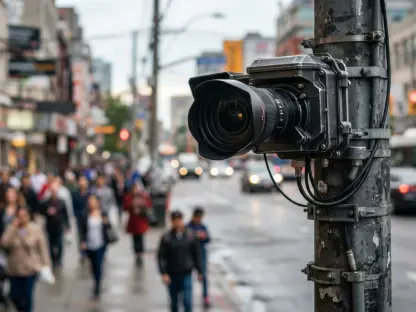

State law now mandates that AI disclosures in radio advertisements must be delivered at a volume and pace that a typical listener can easily understand. This specific requirement is a cornerstone of the Artificial Intelligence Deceptive Advertising Act, also referred to as Act 99 of 2024, which was signed into law by Governor Josh Shapiro. The legislation represents a significant shift in the regulatory landscape, making Pennsylvania a pioneering force in the national movement toward commercial transparency. By the time the law was fully implemented in late 2024, it had established clear boundaries for how synthetic content can be utilized in the public sphere. The act was designed to ensure that the rapid advancement of generative tools did not lead to widespread consumer confusion or the erosion of trust in local media. By prioritizing clarity, the state ensured that residents remain informed about the origins of the messages they receive, fostering a more honest environment for commerce and communication in the digital age.
Defining the Reach: Synthetic Media in Modern Advertising
The effectiveness of the new legal framework relies heavily on its comprehensive definition of synthetic content, which encompasses a wide array of digital assets. Under Act 99, synthetic content is defined as any information, including text, images, videos, or audio clips, that has been significantly generated or modified through the use of artificial intelligence. This expansive view is critical because it ensures that no medium is exempt from transparency standards. Whether a brand is using a fully autonomous AI to generate a script or simply utilizing sophisticated software to alter a human performance, the law requires that the resulting content be scrutinized for potential deception. By setting this broad standard, Pennsylvania has addressed the complexities of modern production workflows where the line between human and machine effort is increasingly blurred. This proactive approach ensures that as creative technologies continue to advance from 2026 into the future, the legal protections for consumers remain robust and relevant.
A particular area of focus within the definition of synthetic content is the regulation of audio clips, which has direct implications for the radio and podcasting industries. The legislation specifically targets the use of vocal likenesses and voice clones, which have become increasingly prevalent in commercial production. When an advertiser uses AI to clone a voice or creates a digital narrator that sounds indistinguishable from a real person, the potential for consumer deception increases significantly. Pennsylvania’s law mandates that these synthetic audio elements be identified to prevent listeners from being misled about who is speaking or what authority is being presented. This protection extends to human-led recordings that have been fundamentally altered to the point where they no longer represent the original performance. By establishing these specific requirements for audio transparency, the state has provided a necessary safeguard for the integrity of the professional voice community while simultaneously protecting the audience’s right to know the true nature of the media they consume.
Strict Standards: Disclosure and the Standard of Clarity
At the core of the Artificial Intelligence Deceptive Advertising Act is a focus on curbing the reckless or willful distribution of misleading commercial messages. It is important to clarify that the law does not impose a total ban on the use of artificial intelligence; rather, it regulates its use in contexts where it could create a false consumer perception. If an advertiser utilizes synthetic elements in a way that misrepresents the origin, quality, or authenticity of a product, they are legally required to provide a clear and conspicuous disclosure. This disclosure serves as a warning to the audience, informing them that the content they are experiencing has been generated or modified using AI tools. This requirement is especially critical when the use of technology could lead a reasonable person to a false conclusion about the item being sold. By focusing on the potential for deception, the law encourages companies to maintain high ethical standards in their marketing efforts while still allowing for the creative and efficient use of emerging digital technologies.
To ensure that these disclosures are truly effective, the legislation sets a high bar for what qualifies as clear and conspicuous in the context of audio and video media. For radio advertisements and other audio formats, the disclosure must be delivered at a volume and pace that the average listener can follow without difficulty. This prevents advertisers from attempting to hide the disclaimer within a rapid-fire legal segment at the conclusion of a spot. Furthermore, the warning must be placed at the first instance the synthetic content is presented to ensure that the context is provided immediately. In the realm of video, a simple text crawl may be insufficient if the synthetic element is primarily auditory; the law requires that the label match the medium of the content it describes. These specific delivery mandates are designed to make transparency a functional reality rather than a mere technicality. By enforcing these rules, Pennsylvania ensures that disclosures are visible and audible to the general public, thereby reinforcing the principle of commercial honesty across all platforms.
Comparative Analysis: Pennsylvania Versus Regional Peers
Navigating the multi-state regulatory environment has become a significant challenge for national brands, as Pennsylvania’s law differs in key ways from those in California and New York. New York’s legal framework, which went into effect during the summer of 2024, primarily focuses on synthetic performers and digital avatars that visually represent human beings. However, it often excludes audio-only advertisements, creating a gap that Pennsylvania’s Act 99 has sought to fill. California’s upcoming legislation also addresses synthetic narrators but often targets voices that are not recognizable as real people, potentially missing the nuances of sophisticated voice cloning. Pennsylvania’s approach is notably broader in its content definition but maintains a specific focus on deceptive perception as the trigger for enforcement. This means that while a brand might need to comply with visual disclosure rules in New York, they must also ensure their audio assets meet the strict clarity standards set by Pennsylvania, leading many to adopt a universal standard for transparency to mitigate legal risks.
One of the most significant distinctions of the Pennsylvania law is its emphasis on the message’s impact rather than just the technical medium used. While other jurisdictions might require a label for any synthetic presence regardless of the context, Pennsylvania’s disclosure requirement is tied to whether the AI use is likely to mislead the consumer. This nuanced approach allows for the functional use of AI, such as reading factual reports or providing basic translation services, without the need for a disclosure tag, provided the use is not inherently deceptive. However, if an AI-cloned voice is used to imply a celebrity endorsement that was never given, the law mandates an immediate and clear warning. This focus on the potential for deception reflects a legislative priority that values truthfulness in commercial claims over the mere regulation of a specific technology. As a result, companies operating in Pennsylvania must conduct detailed internal audits to assess the deceptive potential of their synthetic media, ensuring that their creative outputs do not fall afoul of these specialized transparency mandates.
Enforcement Protocols: Fines and State Level Litigation
The enforcement of Act 99 is a serious matter delegated to the Pennsylvania Attorney General and the state’s various district attorneys. These government officials are granted the authority to seek injunctions to halt any deceptive advertising campaigns that do not meet the legal disclosure requirements. In addition to stopping the distribution of misleading ads, the state can impose significant civil penalties on violators. Fines can reach up to $3,000 for each individual violation, and the cost of legal proceedings can also be shifted to the non-compliant entity. For businesses operating during high-stakes marketing seasons, these financial and legal risks serve as a potent deterrent against bypassing transparency rules. The potential for reputational damage further compounds these risks, as a public enforcement action can significantly undermine consumer trust in a brand. This rigorous enforcement structure ensures that the law is not merely a symbolic gesture but a functional tool for maintaining the integrity of the marketplace and protecting the interests of the public.
A notable aspect of the law’s structure is the absence of a private right of action, which means that individual citizens or creative professionals cannot independently sue advertisers under this act. Instead, all litigation is conducted at the discretion of state-level prosecutors, who prioritize cases based on the scale and impact of the alleged deception. This centralization of power was intended to prevent a flood of frivolous lawsuits while ensuring that significant cases of consumer fraud are handled with the full resources of the state government. For the voice-over and creative communities, this structure means that while they cannot seek personal damages for the unauthorized use of their likenesses through this specific statute, they benefit from the general deterrent effect the law has on the industry. The initial years of the law’s enforcement have been characterized by a focus on high-profile instances of commercial deception, demonstrating that state legal offices are committed to using their authority to uphold the high standards of transparency established by the Artificial Intelligence Deceptive Advertising Act.
Strategic Responses: The Industry Value of Human Performance
The implementation of Act 99 signaled a broader shift in the advertising industry, as brands began to weigh the costs of AI use against the benefits of human authenticity. Advertisers who recognized the potential negative associations with mandatory AI disclosures often chose to prioritize the hiring of human talent for their most visible campaigns. This strategy allowed them to bypass the logistical burdens of compliance while maintaining a level of genuine connection with their audience that synthetic tools often failed to achieve. The law effectively highlighted the unique value of the human voice, which required no such warning labels and offered a level of trust that became a premium asset in a market flooded with synthetic media. Marketing teams were forced to evaluate their production pipelines and establish clear guidelines for when the efficiency of AI was worth the requirement of a disclosure tag. This shift encouraged a more thoughtful approach to media creation, where the use of technology was balanced against the need for transparency and the preservation of authentic human expression.
Ultimately, the legislative developments in Pennsylvania served as a vital blueprint for the ethical integration of artificial intelligence in commercial communication. Companies were advised to incorporate comprehensive disclosure controls into their creative workflows, ensuring that all synthetic content was vetted for potential deception before it was released to the public. For many organizations, this meant investing in new vetting procedures and technical tools capable of identifying synthetic elements in third-party submissions. The focus shifted from the mere adoption of cost-saving technology to the development of sustainable systems of accountability that could withstand regulatory scrutiny. As the industry moved forward from 2026, the lessons learned from the state’s proactive stance provided a clear roadmap for navigating the complexities of modern marketing. By fostering an environment where consumer protection was prioritized alongside innovation, the law helped to stabilize the commercial landscape and provided a foundation for long-term brand engagement. These strategic adjustments ensured that progress remained aligned with honesty.