
Local leaders emphasized that the moratorium is not a permanent rejection of technology but a necessary step to ensure growth does not compromise the power supply. This decision follows a rapid influx of proposals for hyper-scale facilities intended to support generative artificial intelligence and large language model training. As Northern San Diego County experiences a shift from traditional manufacturing to high-tech clusters, the sheer volume of electricity required by these facilities has outpaced the current distribution capabilities of local utilities. The City Council recognized that allowing unchecked development could lead to significant instability in the regional grid, potentially affecting thousands of residents and established businesses. By pausing new approvals, officials aim to establish a comprehensive regulatory framework that addresses the unique demands of liquid-cooled server racks and high-density computing environments. This pause represents a tactical recalibration rather than a halt in progress.
Energy Demands and Grid Resilience
The specialized hardware used in modern AI data centers, such as dense clusters of GPUs, requires significantly more wattage per square foot than traditional cloud storage warehouses. In Escondido, the inland heat often exceeds coastal temperatures, necessitating massive cooling operations that place an additional burden on the electrical infrastructure. San Diego Gas & Electric has noted that a single large-scale AI facility can consume as much energy as several thousand homes combined, creating a concentrated load that the existing substation network was not designed to handle. This reality forced city planners to consider the long-term reliability of the neighborhood circuits, especially during peak summer months when air conditioning usage is already at its maximum. The moratorium provides the necessary time for engineers to conduct exhaustive feasibility studies on whether the current grid can be reinforced without passing exorbitant costs onto the average ratepayer or sacrificing the stability of local power.
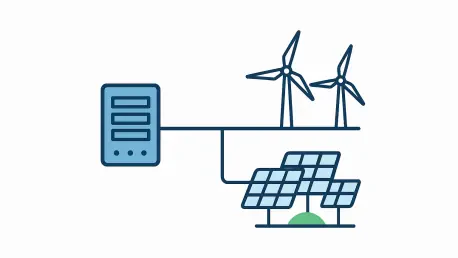
Transitioning to a more robust infrastructure involves not just upgrading wires but also integrating renewable energy sources and battery storage systems to offset the high carbon footprint of these industrial sites. Many tech firms have expressed interest in Escondido due to its proximity to the San Diego tech corridor, yet few have presented plans that include onsite microgrids or substantial solar arrays to mitigate their impact. Without these self-sustaining features, a sudden cluster of data centers could drain the capacity intended for residential developments and small business expansion. The city is now evaluating mandates for behind-the-meter storage solutions that would require data center operators to draw from the grid only during off-peak hours or maintain their own backup supplies. Such requirements ensure that the digital economy does not flourish at the expense of physical infrastructure, maintaining a balance between the digital demands of today and the immediate needs of the community.
Balancing Economic Value and Resource Management
Beyond electricity, the environmental impact of water-intensive cooling systems remains a primary concern for local administrators overseeing drought-sensitive areas. AI chips generate immense heat, and while liquid cooling is more efficient than traditional air conditioning, it still requires millions of gallons of water annually to maintain optimal operating temperatures. Escondido’s officials are currently scrutinizing whether the city’s water treatment and delivery systems can sustain multiple high-output facilities without impacting the water pressure or quality for existing agricultural and domestic users. The moratorium allows for a detailed audit of the recycled water infrastructure, exploring if treated wastewater can be diverted to these centers as a primary cooling source. This approach seeks to decouple technological growth from freshwater consumption, ensuring that the city’s natural resources are preserved for essential human use while still accommodating the cooling needs of high-performance computing.
The city’s strategic pause established a blueprint for how mid-sized municipalities managed the aggressive expansion of the artificial intelligence sector. Planners successfully integrated new zoning designations that separated high-density computing zones from residential areas, thereby minimizing noise pollution from massive industrial fans. They implemented a tiered tax structure that favored facilities providing high-quality technical jobs over those that functioned primarily as unmanned server banks. Furthermore, the council encouraged developers to invest in community-based green energy projects as a prerequisite for project approval, turning a potential utility crisis into an opportunity for regional grid modernization. This proactive stance ensured that technology companies were held accountable for their resource consumption from the outset. Future developments were then required to demonstrate a net-zero impact on the local water table, setting a high bar for sustainability that other San Diego County cities eventually adopted as their own standard.