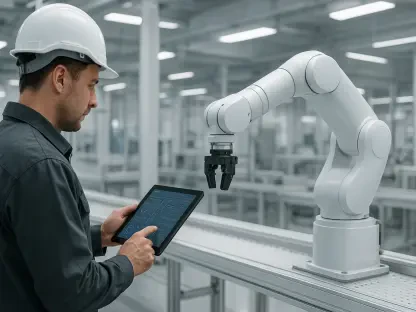

Transitioning legacy enterprise systems from rigid batch processing to the fluid responsiveness required for real-time artificial intelligence represents a fundamental shift in architectural philosophy. For decades, the backbone of the corporate world rested upon monolithic structures that were

The introduction of agentic capabilities allows AI to perform actions like program registration and record updates without the traditional human-centered review step. As the corporate landscape shifts toward deeper integration of large language models and autonomous assistants, the speed of

Engineering teams using Google Cloud can now deploy Grok 4.6 directly within their existing workflows, eliminating the need for new legal agreements or security reviews. This integration into the Vertex AI Model Garden represents a fundamental shift in how large-scale language models are consumed
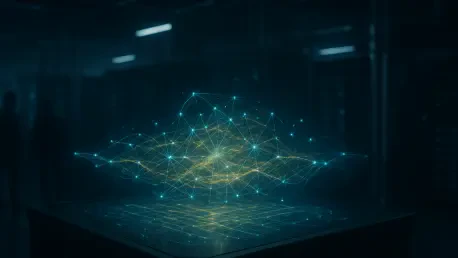
By elevating the shallow troughs of the optimization manifold, controlled noise ensures that learning does not stagnate during the initial phases of training. This innovative approach, spearheaded by researchers at the University of Basel and the University of Pavia, challenges the long-held

Specialized fatigue is arising from the relentless need to evaluate, accept, or reject rapid-fire code snippets throughout the entire workday. The early promise of generative AI in software engineering centered on the idea that Large Language Models would liberate developers from the repetitive

Smaller research institutions often find themselves excluded from cutting-edge material discovery due to the prohibitive costs of validating millions of unstable AI designs. This financial and computational barrier stems from a fundamental disconnect in how generative artificial intelligence