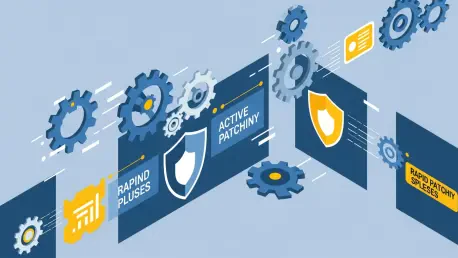
The arrival of autonomous agents capable of identifying and weaponizing software vulnerabilities in mere minutes has effectively neutralized the luxury of time that security teams once relied upon for defensive operations. This shift represents a fundamental transition from human-led exploitation
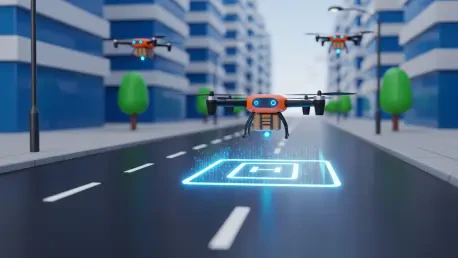
The silent hum of a smart refrigerator ordering its own replacement filters or a fleet of delivery drones negotiating parking fees represents the invisible pulse of a modern economic reality. While the world sleeps, autonomous software agents are increasingly handling the micro-negotiations that
The recent deployment of Claude Opus 4.8 signals a fundamental departure from the era of conversational assistants toward a new paradigm of autonomous agentic intelligence. Unlike earlier iterations that functioned primarily as reactive text generators, this updated architecture prioritizes
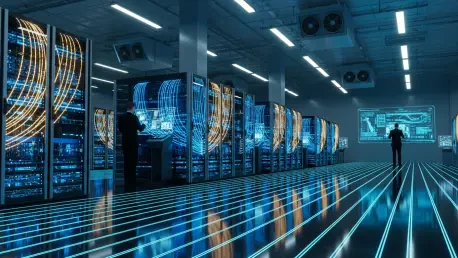
The rapid evolution of global infrastructure has led to a fundamental departure from traditional server farms, moving instead toward specialized facilities that act as the primary engines of the new intelligence era. Unlike the passive data repositories of the past, these modern AI factories
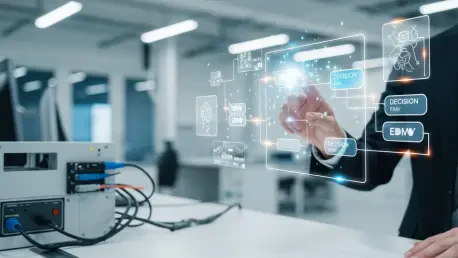
Recent developments in the deployment of large-scale autonomous platforms across naval and aerial domains have sparked a critical debate among software architects and defense strategists regarding the limitations of machine decision-making. While the speed of algorithmic processing offers a
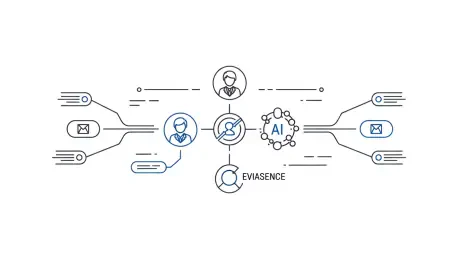
The relentless acceleration of software delivery cycles has finally breached the limits of human cognitive capacity, creating a systemic imbalance where code is generated in seconds but requires hours of manual labor to stabilize. This discrepancy marks the birth of Autonomous Production