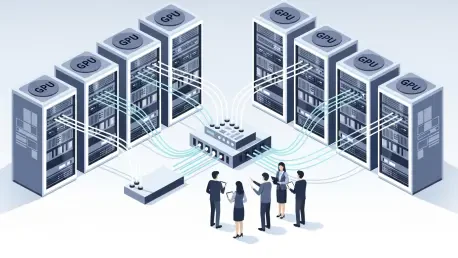
Scarce, high-performance GPUs have defined the pace of AI progress, and firms without access have watched prototypes stall while competitors raced ahead on better hardware and deeper pockets. South Korea answered that gap with a national allocation that redirected state-purchased accelerators to
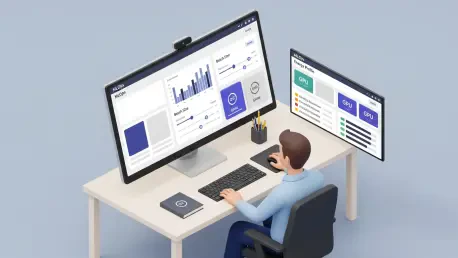
Power decisions that once required night-long simulations now had to be made between scheduler heartbeats as AI clusters pushed against power limits and procurement cycles, turning energy from a back-office metric into a gating factor for throughput. As data centers edged toward consuming a
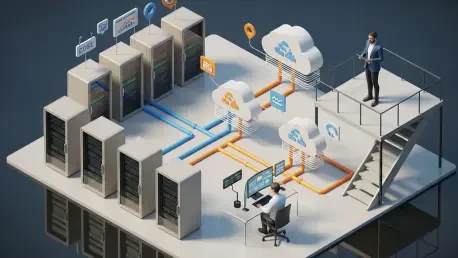
Boardrooms juggling cloud commitments, AI roadmaps, and compliance checklists just saw the ground shift as Microsoft and OpenAI replaced a once-exclusive alliance with a time-bounded, non-exclusive pact that lets OpenAI run natively on rival clouds while Microsoft keeps licensed access through
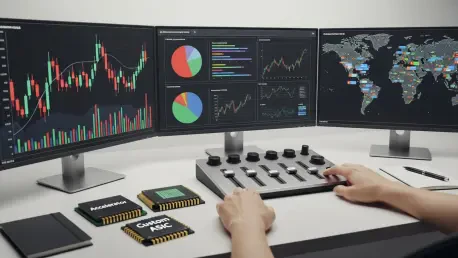
Venture capital chases models, hyperscalers race to wire new regions, and power grids strain as training clusters swell—all while AI infrastructure spending tracks toward more than $200 billion by 2027, turning data center silicon into the market’s most contested profit pool. That surge did not
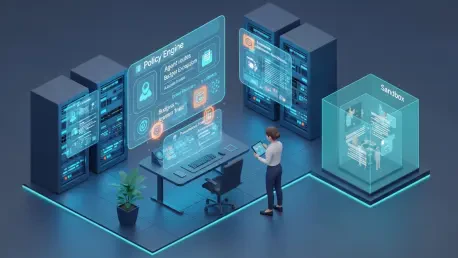
Run a dozen autonomous agents across billing, security, and support for one afternoon and the bill, the audit trail, and the blast radius will tell a harsher story than any demo ever could. The gap between prototyping a clever bot and operating a responsible, multi-agent system has turned into an
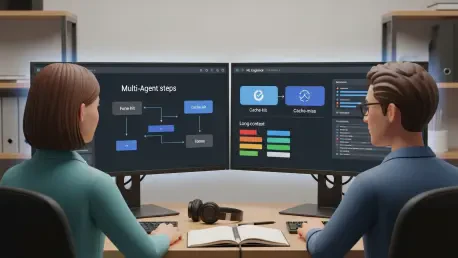
Price, not perfection, became the sharpest instrument in the frontier-AI toolkit when DeepSeek-V4 landed, compressing costs to levels that forced procurement teams to reopen spreadsheets and redraw playbooks. The model’s open weights, one-million-token native context, and flexible hardware story