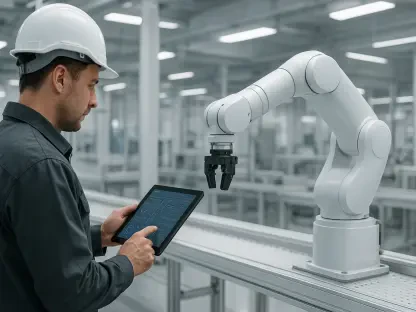

The rapid integration of sophisticated language models into the core of corporate infrastructure has effectively moved artificial intelligence from the periphery of experimental labs to the very heartbeat of daily business operations. This transition marks a fundamental change in how data is

The transition from viewing artificial intelligence as a speculative technological experiment to adopting it as a fundamental operational pillar has redefined the survival strategies of small enterprises across the globe. By mid-2026, the fascination with general-purpose tools has been replaced by

The traditional boundary between software tools and active collaborators has fundamentally dissolved as digital workflows transition from manual command-and-response structures into autonomous ecosystems. Unlike the early days of generative models where users were required to provide constant

Laurent Giraid is a technologist whose work sits at the cutting edge of Artificial Intelligence, specifically focusing on how machine learning and ethical design influence our daily digital interactions. With a deep background in natural language processing, Laurent has spent years dissecting the
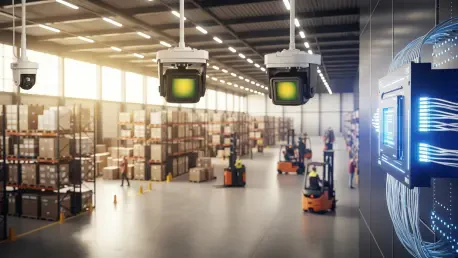
The global security landscape is currently undergoing a fundamental transformation as artificial intelligence transitions from an optional feature to the central nervous system of modern video surveillance systems. Recent industry valuations indicate that the global market for AI-driven monitoring

Imagine standing in a quiet kitchen on a cold Tuesday morning, trying to renew a critical prescription, only to find yourself trapped in an endless loop of misunderstood voice commands from a software program that cannot grasp the urgency of a chronic condition. Kinney Drugs, a staple of community