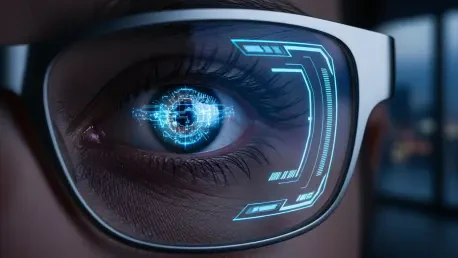
The landscape of wearable technology experienced a seismic shift this week following the surprising revelation of a partnership between Google and Warby Parker to launch AI-powered smart glasses in 2026. This announcement has effectively upended the industry's projected timeline, transforming what

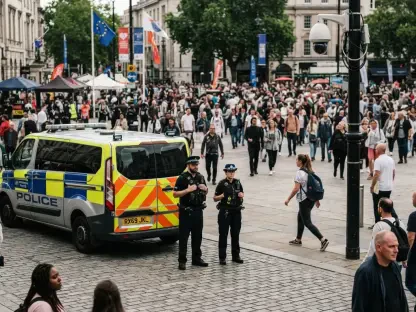
A significant and contentious debate is unfolding across the United Kingdom as law enforcement agencies deliberately continue to use facial recognition technology that is acknowledged to be fundamentally biased against women and ethnic minorities. Police leadership has successfully advocated for

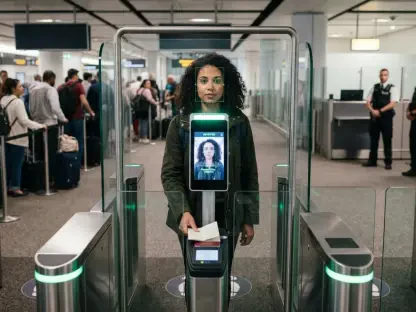
The familiar shuffle through airport security, a frustrating ritual of fumbling for passports and boarding passes while navigating winding queues, may soon become a relic of the past. Orlando International Airport (MCO), a bustling hub for over 56 million annual travelers, is at the forefront of

In an increasingly digital world where artificial intelligence stands as the primary guardian of our financial lives, a critical vulnerability has emerged not from external hackers but from the very code designed to protect us. This internal flaw, known as algorithmic bias, presents a profound

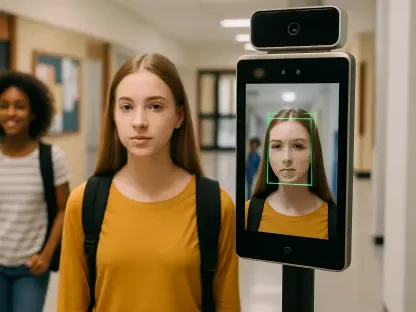
Facial recognition now stands at a crossroads where effortless convenience, public safety ambitions, and intensifying civil liberties concerns collide in real-world deployments, not theoretical debates, and that tension is reshaping how democracies and authoritarian states write the rules. Airports

In a troubling development that has sparked outrage among civil liberties advocates, Immigration and Customs Enforcement (ICE) in the United States has ramped up its use of facial recognition technology, raising serious concerns about privacy erosion and racial bias. Reports indicate that this