
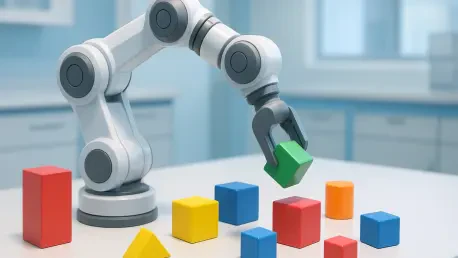
Success in robotic autonomy requires more than visual recognition; it demands a sophisticated understanding of the trade-offs between information gathering and task execution. The transition of artificial intelligence from the digital realm into the physical world represents one of the most

An attacker successfully modified core security settings by submitting an AI-generated handheld video that MEXC's review system failed to flag as fraudulent. This breach highlights a terrifying evolution in cybercrime where traditional Know Your Customer protocols, once considered the gold standard
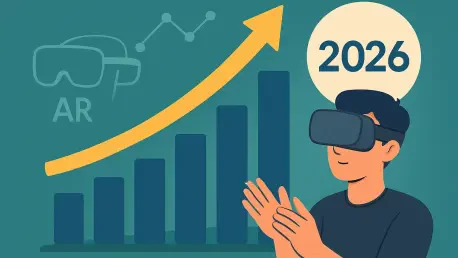
Valve's launch of the Steam Frame on September 14, 2026, marks a pivotal transition toward high-fidelity wireless PC VR through a randomized reservation system and SteamOS integration. This development reflects a broader industry trend where the tethered limitations of the past have been largely

The transition from structured programming to natural language intent represents the most significant shift in computing since the arrival of the graphical user interface. Non-technical employees in every department are now essentially developers, using AI agents to weave together workflows that

The scorching intensity of heat generated by next-generation artificial intelligence chips has effectively transformed thermal management from a quiet background utility into the single most critical bottleneck for the entire technological progress of our current era. As high-performance data

Digital landscapes have historically favored the attacker, but the emergence of specialized machine learning architectures is finally tipping the scales toward a proactive, self-healing infrastructure. This transition marks a critical turning point where artificial intelligence moves beyond being a