

For decades, the leap from a conceptual two-dimensional sketch to a fully functional three-dimensional computer-aided design model remained a grueling bottleneck that demanded hundreds of hours of manual labor from skilled mechanical engineers. This traditional workflow often stalled during the

The technological threshold for open-weight artificial intelligence has been shattered by the sudden emergence of the Kimi K3 model, which commands a staggering 2.8 trillion parameters to redefine what decentralized systems can achieve. This massive leap in scale places the new architecture firmly

The current global investment landscape is defined by a sharp divide in the artificial intelligence sector as the industry moves from experimental phases to massive deployment. This shift has forced institutional investors to choose between two distinct economic paths that represent a fundamental

The transition from laborious manual concept art to near-instantaneous high-fidelity rendering represents one of the most significant technological leaps in the history of interactive entertainment. The current gaming landscape demands a level of visual complexity that traditional manual pipelines
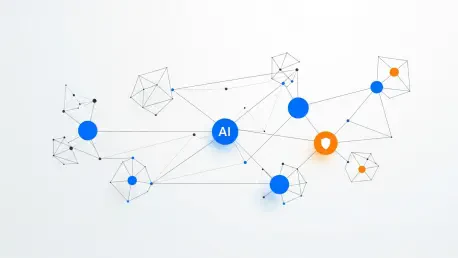
Enterprise-scale AI agents have transitioned from simple conversational interfaces to autonomous entities capable of executing complex workflows across internal software ecosystems without direct human supervision. In the current landscape of 2026, these digital workers are integrated into nearly

The intersection of synthetic intelligence and human fundamental rights has reached a critical juncture where the speed of silicon development far outpaces the deliberative nature of democratic governance. Senators Ted Cruz and Raphael Warnock have introduced a landmark bipartisan piece of