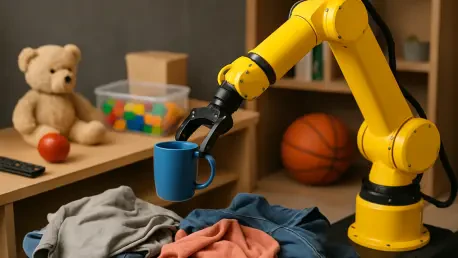
The ability for a machine to perceive a messy, unpredictable environment and immediately plot a sophisticated, multi-step course of action has long been a defining hurdle in the field of robotics. While modern artificial intelligence can describe a photograph with startling accuracy or solve
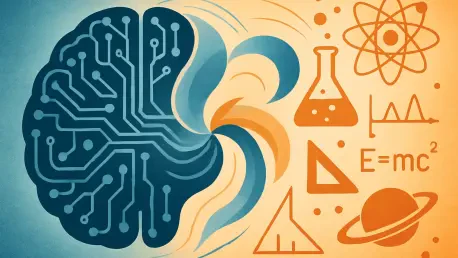
In the rapidly evolving landscape where computational power meets physical laws, the boundaries between the laboratory and the algorithm are beginning to dissolve. This dialogue explores the profound synergy between machine learning and the fundamental sciences, a relationship that has recently
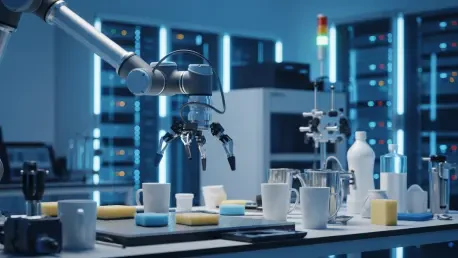
Laurent Giraid is a distinguished technologist at the forefront of the intersection between artificial intelligence and physical robotics. With a specialized focus on machine learning and the ethical frameworks of autonomous systems, he has spent years investigating how natural language processing

The rapid migration of complex neural networks from centralized cloud data centers to the very periphery of the internet of things is no longer a luxury but a fundamental requirement for the next generation of responsive, privacy-focused consumer electronics. This transition defines the modern
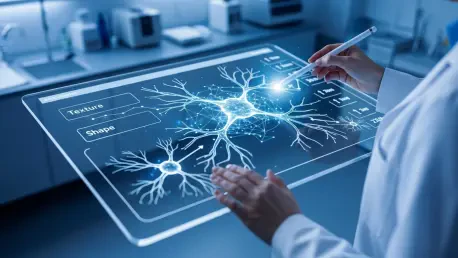
High-performance neural networks often function as inscrutable mathematical engines that process millions of variables simultaneously without offering any human-readable justification for their final outputs. This lack of clarity has led to a persistent "black-box" crisis in computer vision, where
The subtle vibration of a smartwatch or the silent data stream from a forest floor represents the invisible thread stitching physical existence to an expansive digital consciousness. This bridge between the tangible physical world and the intangible digital realm is no longer a futuristic concept;