

Traditional trial-and-error methodologies often fail to solve the complex relationship between a wearable device's geometry and its mechanical performance during physical deformation. The quest for seamless integration between human biology and electronic monitoring has led to the exploration of

Strategic investments in smart robotic ecosystems are helping manufacturers stay competitive in a global market driven by the demand for sophisticated AI hardware. As the electronics sector navigates the complexities of ultra-high-density assembly, the traditional boundaries of automated inspection

The rollout of advanced AI tools across the nationwide network is designed to provide a seamless experience for patients at thousands of touchpoints. As the demand for rapid diagnostic services surges across India, Krsnaa Diagnostics has forged a strategic alliance with Azmed, a global innovator in
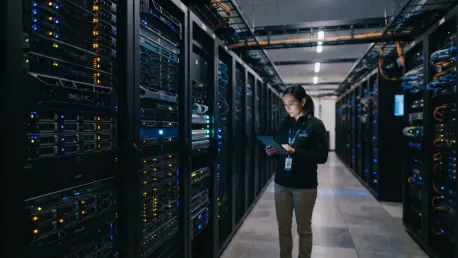
As enterprise AI moves into production, Dell’s infrastructure strategy is taking shape around a practical constraint: autonomous agents require more than computing capacity. To run those agents at scale, businesses need governed data, an environment built for sustained operation and a deployment

The inherent opacity of advanced artificial intelligence poses a substantial challenge for risk managers who must ensure that financial decisions remain transparent and ethically sound. In the fast-paced financial landscape of 2026, the velocity of technology has reached a tipping point where
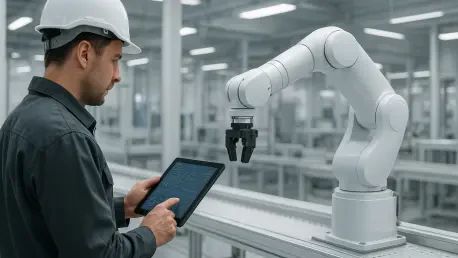
Global giants like Coca-Cola and Philips are partnering with the AI Centre of Excellence for Manufacturing to apply technological solutions to industrial challenges. The Singaporean government is currently accelerating this momentum by launching a $45 million investment fund specifically aimed at