
The business model of Pionex eliminates subscription fees for bots by embedding automation directly into the exchange ecosystem rather than operating as a third-party add-on. This structural shift represents a broader movement within the digital asset space where the historical friction between
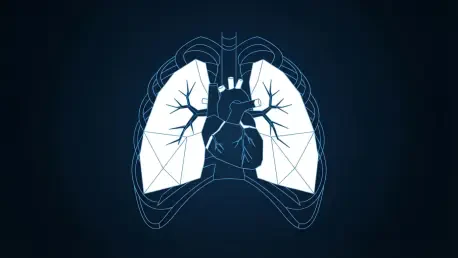
Early research data suggests that AI can predict future heart failure with a high degree of reliability by analyzing standard chest CT scans for minor abnormalities. This breakthrough originates from researchers at Penn Medicine, who created an artificial intelligence model named Percival to
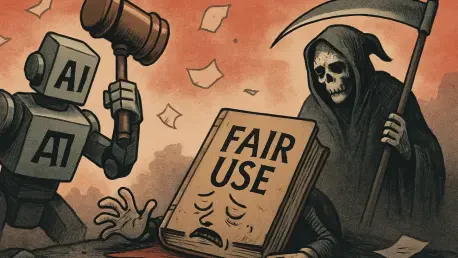
Protecting the digital ecosystem requires maintaining legal standards that support the transformative use of data for scientific advancement and public benefit. The current legal landscape is dominated by high-stakes lawsuits pitting content creators and publishers against artificial intelligence

Many creators believe that machines lack the intrinsic human drive to leave a personal, intentional imprint on the world through their creative work. This sentiment has become the focal point of intense discourse at institutions like the UNC Hussman School of Journalism and Media, where the

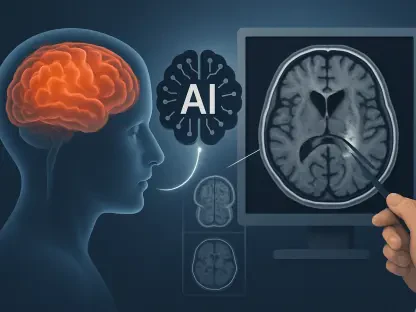
The arrival of FDA-cleared predictive software signals a shift toward longevity-focused healthcare by using routine imaging to better manage the complex challenges associated with aging and brain health. For decades, the identification of neurodegenerative diseases has been characterized by a

A solar-powered camera for detecting elk needed its vision model reduced by a factor of 250 before it could fit the device’s constraints. A University of Washington research team used AI agents to tackle that deployment problem, connecting model changes to measurements from actual hardware. In the