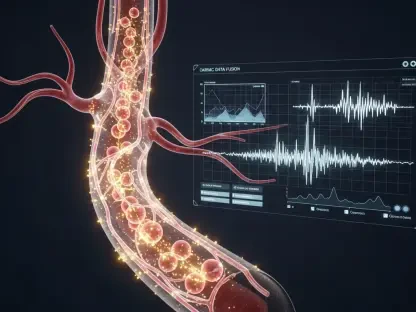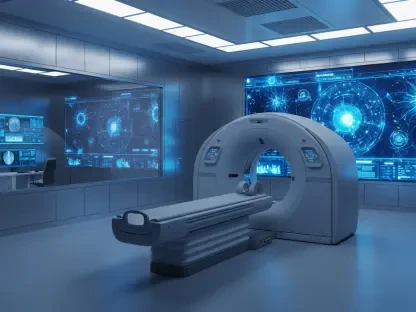
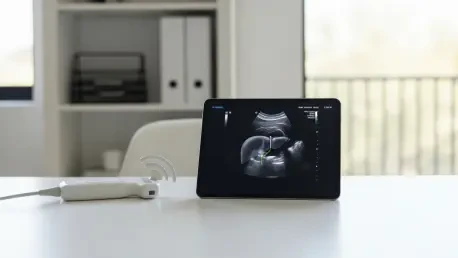
Diagnostic imaging is currently undergoing a radical transformation as clinical practitioners struggle to keep pace with a global surge in chronic disease and a shrinking workforce. The traditional ultrasound exam, long dependent on the manual dexterity and subjective interpretation of a
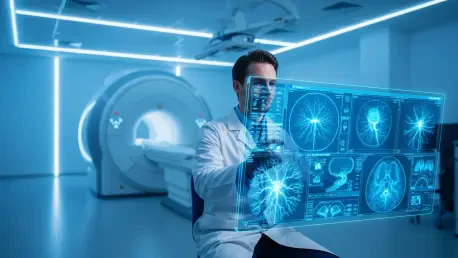
The human brain represents one of the final frontiers of medical science, yet the intricate nuances within magnetic resonance imaging often remain obscured by the sheer volume and complexity of the raw data. Traditional diagnostic methods have long relied on the manual expertise of radiologists or
The microscopic interior of a human cell resembles a hyper-connected metropolis where millions of molecular conversations happen simultaneously, yet traditional analytical tools often fail to capture the full story of how these interactions lead to health or disease. Scientists currently navigate a
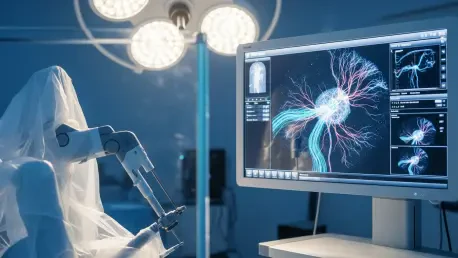
The human brain remains the most shielded organ in the body, protected by a biological gatekeeper so efficient that it inadvertently stalls the progress of modern medicine. This barrier, while essential for survival, has long rendered many of the most sophisticated pharmaceutical breakthroughs
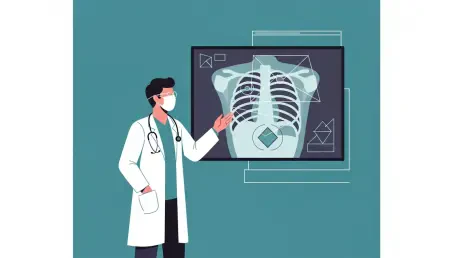
The medical landscape across Northeast Ohio is experiencing a profound digital transformation as flagship institutions like the Cleveland Clinic, University Hospitals, and Summa Health integrate high-level artificial intelligence into their core radiological workflows. This shift is not merely an
The once-futuristic concept of artificial intelligence in medicine is now a present-day reality, rapidly reshaping how healthcare is delivered and experienced, particularly across Latin America. This technological surge promises to dismantle long-standing barriers in patient-provider communication