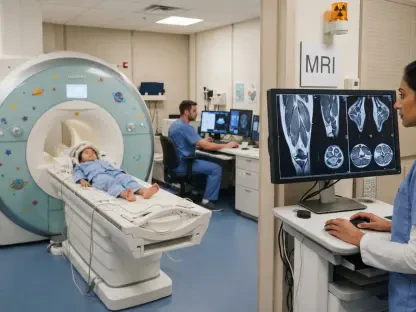
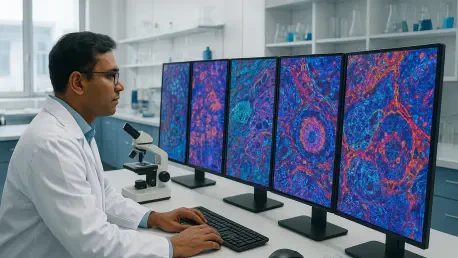
Technological expansion in the healthcare sector often prioritizes the speed of adoption over the protection of individual rights and the enforcement of ethical standards. In the bustling diagnostic centers of Dhaka and beyond, artificial intelligence is no longer a futuristic concept but a daily

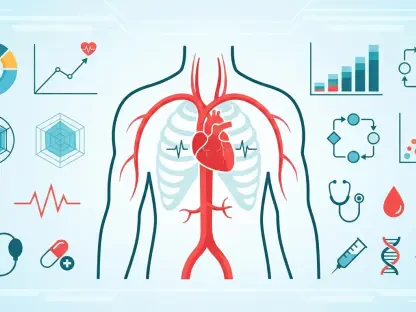
MDG-Net's superior scores in Accuracy and Area Under the Receiver Operating Characteristic Curve indicate a fundamental shift in how AI understands vascular anatomy. The diagnostic landscape for systemic and ocular diseases is currently undergoing a significant transformation through the

By functioning as a living lab, the consortium plans to develop a repeatable playbook that documents the logistical and technical steps required to operationalize AI at a massive scale. This collaborative effort, officially launched on October 1, 2026, involves twelve of the most influential
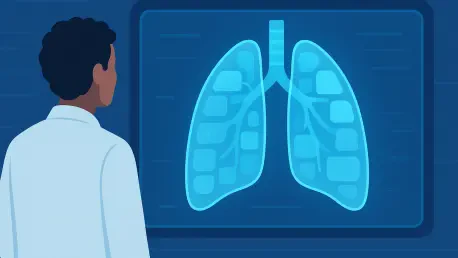
Traditional methods of assessing pneumonitis risk, such as smoking history and age, frequently lack the precision required to identify vulnerable patients before treatment begins. While immune checkpoint inhibitors have provided a lifeline for many, the threat of immunotherapy-induced pneumonitis—a

The scorching intensity of heat generated by next-generation artificial intelligence chips has effectively transformed thermal management from a quiet background utility into the single most critical bottleneck for the entire technological progress of our current era. As high-performance data

Automating preclinical work through AI simulations allows pharmaceutical firms to bypass many of the manual trial-and-error phases of traditional laboratory research. By the fall of 2026, artificial intelligence has transitioned from a speculative technological trend into the primary engine driving