
The realization that raw computational power is insufficient for sustainable enterprise AI deployment has led to a major strategic consolidation within the industry as Anthropic finalized the acquisition of StainlessAPI on May 18, 2026. This move formalizes a long-standing partnership that has been instrumental in the development of the Claude API, where Stainless managed the critical underlying architecture including authentication systems, response parsing, and client-side integration protocols. By absorbing this specialized platform, known for its expertise in software development kits and Model Context Protocol server infrastructure, Anthropic is positioning itself to offer a more seamless and reliable experience for engineers. The acquisition addresses the plumbing of AI, ensuring that the transition from a laboratory model to a production-ready application is as friction-less as possible for global development teams. This integration represents a significant shift toward prioritizing the technical ecosystem that surrounds a model.
Vertical Integration: Enhancing Infrastructure Sovereignty
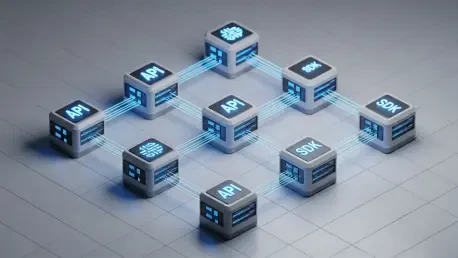
By bringing StainlessAPI in-house, Anthropic gained full sovereignty over its delivery infrastructure, which is expected to catalyze the speed of feature releases and significantly improve the developer experience. Previously, relying on external partners for software development kit management created minor delays in synchronizing new model capabilities with the tools used to access them. Now, the internal teams can work in lockstep to ensure that every update to the Claude family of models is immediately supported by robust, idiomatic libraries in languages such as Python, TypeScript, and Go. This level of vertical integration is essential for maintaining a competitive edge, as it allows for deeper optimizations that were previously impossible when operating across corporate boundaries. The focus has moved from merely providing an endpoint to delivering a comprehensive, high-performance environment that handles the complexities of modern application development.
Furthermore, the technical advancements resulting from this merger included the optimization of Model Context Protocol servers to handle high-volume API calls with drastically reduced latency. These improvements are critical for high-stakes industries such as healthcare diagnostics and financial services, where reliability and error-handling precision are non-negotiable requirements. Engineers in these sectors require more than just a smart chatbot; they need a system that can reliably process structured data and integrate with legacy databases without failing during peak loads. The acquisition allowed Anthropic to bake these requirements directly into the core SDKs, providing pre-configured retry logic and more sophisticated diagnostic tools. As a result, organizations can now deploy AI-driven agents with greater confidence, knowing that the underlying communication layer is as robust as the neural networks themselves, thereby reducing the total cost of ownership for AI projects.
Competitive Dynamics: The Rise of Developer Ergonomics
A major theme emerging from this acquisition is the shifting competitive landscape, as Anthropic streamlines its updates and lowers the barrier for entry for both startups and established enterprises. As competitors like OpenAI face increasing pressure to enhance their own stability and developer support, the focus of the industry has pivoted toward what experts call developer ergonomics. This term refers to the ease with which engineers can deploy, monitor, and scale AI models within their existing workflows. By making the integration process more intuitive, Anthropic is effectively reducing the “time to value” for new customers. This strategy is particularly effective in a market where technical talent is expensive and often serves as the primary bottleneck for AI adoption. Providing superior tooling makes the Claude platform more attractive to the individuals actually writing the code, which often dictates which model an organization ultimately selects.
The acquisition also opened sophisticated monetization paths that extend beyond simple token-based pricing models. These include premium enterprise licensing for custom server implementations and bundled subscriptions that pair model access with specialized developer tooling and dedicated support channels. This transition toward a software-as-a-service model for AI infrastructure allows for more predictable revenue streams while providing customers with more tailored solutions. For instance, a large corporation could now opt for a specialized package that includes optimized SDKs specifically designed for their internal security protocols and private cloud environments. By moving away from a one-size-fits-all approach, Anthropic is demonstrating a mature understanding of the enterprise market, where flexibility and customization are often just as important as the raw performance of the underlying intelligence.
Future Considerations: Moving Toward Automated Development
The strategic trajectory of this merger suggests a definitive move toward automated software development kit generation and the implementation of predictive analytics tools by 2027. Despite the significant shift in corporate structure, the focus remained on the core mission of building steerable and safe AI systems that can be easily managed by human operators. Regulatory hurdles were expected to be minimal since the acquisition focused on internal technical utilities and infrastructure rather than the harvesting of consumer data. This deal signals a broader maturation of the AI market, where the winners are determined not just by the raw power of their underlying models, but by the robustness and efficiency of the infrastructure that delivers that power to the global developer community. The emphasis has shifted to creating a unified, high-performance platform that can support the next generation of complex, multi-agent AI applications.
To capitalize on these developments, organizations should have prioritized the auditing of their current API integration layers to identify bottlenecks that could be resolved by more advanced SDK features. Decision-makers were encouraged to look beyond model benchmarks and instead evaluate the long-term viability of the developer tools provided by their AI partners. Investing in the Model Context Protocol early on became a clear path toward future-proofing applications against shifting industry standards. As the ecosystem evolved, the most successful firms were those that recognized the value of infrastructure sovereignty and sought out platforms that minimized technical debt through superior engineering support. Ultimately, the acquisition of StainlessAPI proved that the future of artificial intelligence would be built on the back of reliable, automated, and highly ergonomic developer tools that bridged the gap between code and cognition.