
Modern consumers often find themselves trapped in a paradox where their devices are smarter than the tools available to fix them when something goes wrong. While the digital economy has perfected the art of bit-based troubleshooting for account issues or software bugs, the physical world of hardware remains stubbornly resistant to text-only interventions. This mismatch has created a pervasive description gap, where a user must attempt to translate a nuanced mechanical failure into a static text box or a frantic verbal explanation. Whether it is a flashing red light on a smart heater or a suspicious vibration in a high-end kitchen appliance, the linguistic struggle to describe physical reality often leads to agent fatigue and customer abandonment. Resolving this requires a shift from isolated chat windows toward a holistic multimodal approach that integrates sight, sound, and data to create a high-resolution support environment that serves all consumers with absolute clarity and safety.
The Text-First Limitation: Why Words Alone Cannot Repair Hardware
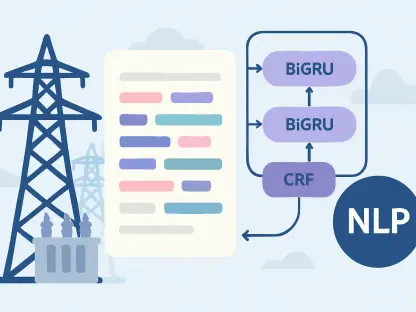
For years, customer experience managers operated under the assumption that increasing the intelligence of natural language processing would eventually solve every support hurdle. This text-first mentality works wonders for checking order statuses or resetting passwords, but it fails to address the unique complexities of physical hardware where atoms supersede bits. When a mechanical part fails, the diagnostic information is often visual, spatial, or tactile. Expecting a non-expert user to accurately identify a specific loose fastener or the precise color hue of an error LED through a keyboard interface creates a massive bottleneck in the resolution process. This disconnect forces a cognitive load on the consumer to act as an untrained inspector, translating complex visual states into technical language they may not possess. Consequently, the reliance on traditional ticketing systems often yields vague problem descriptions that delay the necessary repairs.
Communicating the intricacies of a physical machine via voice or text alone has frequently been compared to a technician attempting a repair while wearing a blindfold. Without a shared visual context, the interaction becomes a series of guesses and clarifications that frustrate both parties. Support agents must rely on the user’s potentially inaccurate terminology, which frequently leads to the dispatch of incorrect replacement parts or the scheduling of unnecessary on-site visits. This eyes-closed communication model is especially damaging in the context of professional equipment where downtime equals lost revenue. Every second spent trying to verify if a user is looking at the primary or secondary circuit board is a second of wasted resources. By continuing to treat physical problems as linguistic challenges, brands inadvertently create a loop of repetition that erodes consumer trust and results in high rates of premature product returns from frustrated homeowners.
Synchronized Solutions: Merging Sight and Sound into One Interface
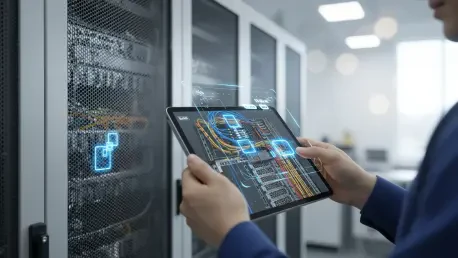
The emergence of multimodal support provides a fundamental rethink of this process by merging voice, text, and visual data into a single, cohesive user experience. Instead of forcing a customer to switch between a telephone call, a YouTube tutorial, and a mobile chat window, the system creates a synchronized digital environment where all modalities operate in tandem. This means that while a customer explains the problem verbally, they can simultaneously receive an interactive technical diagram or a real-time video overlay on their screen. Such integration ensures that the format of the support matches the actual difficulty of the mechanical task at hand. For instance, if a user needs to find a hidden reset button on an industrial appliance, a shared image with a highlighted indicator is far more effective than three minutes of verbal directions. This synchronicity effectively bridges the description gap by providing the necessary visual context.
A primary driver of efficiency in this new model is the removal of manual data entry friction, particularly when identifying complex components or serial numbers. Reading tiny, laser-etched alphanumeric codes in dark, cramped engine compartments is a recipe for human error that can compromise the entire support journey. Multimodal interfaces solve this by allowing the user to simply point their smartphone camera at the product label, using integrated image recognition to verify the specific model and manufacture date with total precision. Once the hardware is identified, the system can pivot between modalities based on the user’s environment. When their hands are occupied with tools or wiring, voice becomes the primary driver of the interaction, providing step-by-step guidance. Meanwhile, high-resolution visual markers can verify that the correct component has been handled, creating a hand-holding experience that ensures users feel safe and properly supported.
Performance and Protection: Strengthening Resolution and User Safety
The transition toward multimodal support is increasingly justified by a wealth of performance data demonstrating superior resolution rates compared to legacy systems. Statistical analysis of AI-driven support interactions throughout 2026 indicates that multimodal agents experience up to four times fewer abandoned calls than their text-only counterparts. This higher level of engagement stems from the fact that customers feel more heard when a system can visually confirm their predicament. When a customer can show a live stream of a leaking pipe or a frayed wire, the anxiety of being misunderstood disappears. Furthermore, companies that have implemented these visual tools report a significant reduction in “No Fault Found” returns, which occur when functional hardware is sent back because the customer could not figure out how to operate it correctly. By providing visual clarity during first contact, organizations cut costs while maintaining higher satisfaction across all major consumer product categories.
In the final analysis, the hardware description gap was successfully narrowed by the wide adoption of synchronized voice and visual support tools. Manufacturers discovered that moving away from a blindfold model allowed them to handle more complex inquiries without a proportional increase in headcount. It was found that prioritizing visual pathways reduced operational overhead and fostered a deeper sense of reliability within the user base. Looking forward, leaders began auditing return logs to identify specific mechanical steps that triggered the most friction. Brands that replaced manual input with automated image capture observed immediate improvements in data integrity. This proactive stance allowed engineering teams to receive clearer feedback on recurring hardware flaws. The decision to retire isolated text-based chat in favor of these richer environments redefined what it meant to provide expert-level hardware assistance across the entire industry.