


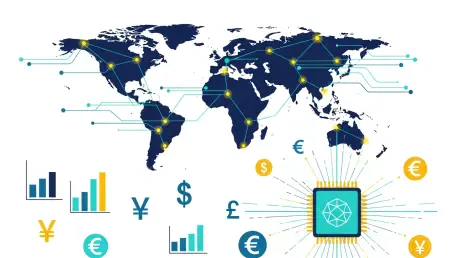

Laurent Giraid stands at the intersection of complex algorithmic architecture and the fast-paced world of financial markets. As a technologist with a deep focus on machine learning and natural language processing, he has dedicated his career to understanding how artificial intelligence can decode the chaos of global trade. In this conversation, we explore the evolving landscape of forex automation, the growing sophistication of data-driven robots, and the critical importance of transparent review processes like those found on FXSentry. Laurent shares his perspective on why automation is no longer just a luxury for elite firms but a vital tool for individual traders seeking to manage their time and strategy in a market that never truly sleeps.
The discussion delves into how automated trading has transitioned from basic rule-following scripts to advanced systems capable of identifying patterns invisible to the naked eye. We touch upon the practicalities of using forex robots as support tools, the technical risks involving platform reliability, and the ways in which AI is refining how these systems react to volatile market shifts. Laurent also emphasizes the psychological relief that comes with automation, allowing traders to step away from their screens while remaining active in global finance.
How has the landscape of forex trading changed now that automation is no longer just a niche tool but a central part of how people engage with global markets?
Traders used to spend hours at a time glued to flickering monitors, but the shift toward automation has transformed that exhausting experience into something much more manageable. Forex robots operate by scanning the market for specific trade setups and placing orders based on pre-made rules without a person needing to lift a finger. This evolution allows the market, which operates almost around the clock, to remain accessible even when a trader is sleeping or focused on other life commitments. It feels like having a tireless assistant that never blinks, reacting instantly to technical indicators or past price behaviors to ensure no opportunity is missed. The tactile stress of manual execution is replaced by a structured, automated flow that keeps the trader involved without the constant physical presence once required.
In what ways is the integration of artificial intelligence and advanced data processing changing the behavior of these trading robots compared to the simpler systems of the past?
The growing role of AI means that modern systems are no longer just following rigid, binary instructions but are starting to identify patterns that are nearly impossible for a human eye to spot on a chart. We are seeing a move toward smarter data usage where some robots can actually adjust their reactions based on current market conditions rather than repeating the same response every single time. It is a sensory experience for the algorithm; it “feels” the market’s volatility and pivots its strategy to handle more detailed data sets in a way that mimics sophisticated decision-making. Platforms like FXSentry have become vital in this era, as they help break down how these different systems work, peeling back the curtain to show traders exactly what is happening behind the scenes. This level of insight ensures that the “intelligence” of the system is understood by the human user before any capital is put at risk.
With numerous options available, analyzing a system’s trade management through reviews is crucial; how should a trader evaluate a robot’s performance history and strategy?
Choosing a system can feel incredibly stressful because every robot is built with a different philosophy and strategy under its digital hood. A thorough review process allows a trader to see a clearer picture of how a system manages trades and what kind of results it has produced over a long period, which prevents the heart-sinking feeling of choosing a tool without understanding its logic. By looking at these detailed breakdowns, you can compare how different robots handle data-heavy strategies versus more basic setups that rely on simple technical indicators. It is about finding a balance between the technical reliability of the platform and the historical consistency of its rule-set, ensuring that the automation aligns with your personal risk tolerance. Without these reviews, a trader is essentially flying blind, but with them, they can make a practical and informed choice about which tool fits their specific trading life.
While automation offers incredible efficiency, what are the hidden risks or practical limitations that even the most advanced trading robots face in a volatile market?
It is a mistake to view these robots as a total replacement for human decision-making because the market can change with a sudden, jarring speed that defies even the most complex pre-set rules. When something unexpected happens that deviates from the algorithm’s programming, a system that performed perfectly yesterday might suddenly struggle to stay afloat in the new environment. There are also the visceral, practical frustrations to consider, such as a flickering internet connection or a platform’s execution speed, which can make or break a trade in a matter of seconds. Because of these variables, these systems are best used as support tools that require a human to keep an eye on performance and make manual adjustments whenever the market environment shifts. The most advanced robot in the world is still subject to the reliability of the hardware it runs on and the unpredictability of global events.
Looking ahead, how do you see the relationship between human intuition and machine precision evolving as technology becomes more “natural” in its market responses?
The future of automated trading looks toward a horizon where systems handle complex data in a way that feels more natural and less like a clunky sequence of “if-then” statements. We will likely see tools that are even better at reacting to subtle market shifts, providing a steadier and more manageable approach for the everyday user who wants to stay active without being overwhelmed. However, the ultimate success of these advancements depends on the trader’s ability to use them in an informed way, combining the robot’s tireless scanning with their own strategic oversight. It is a partnership where technology provides the structure and the speed, but the human provides the wisdom to know when to let the machine run and when to step in. As technology improves, the line between manual strategy and automated execution will continue to blur, making the role of the trader more about supervision than direct action.
What is your forecast for the role of automation in the lives of individual forex traders over the next decade?
I believe we will see automation move from being a specialized advantage to an essential daily companion for anyone involved in the forex markets. As systems become more refined and easier to use, the barrier to entry will drop, but the need for transparency through detailed reviews will only grow more intense. My forecast is that we will move away from “black box” systems toward transparent, AI-enhanced tools that empower traders to stay active in the market without being tethered to their desks for hours at a time. Ultimately, the most successful traders will be those who treat their robots as sophisticated extensions of their own strategy, maintaining a constant pulse on the market’s evolving narrative while letting the software handle the heavy lifting. The future belongs to those who can master the balance between the machine’s relentless efficiency and the human’s ability to adapt to the unexpected.







