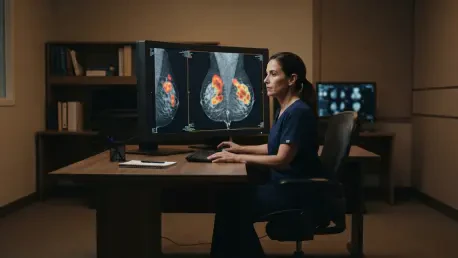

The CCSS aims to increase monthly mammogram appointments from 540 to 800 in targeted health areas by streamlining the screening process through automated analysis. This initiative represents a cornerstone of the ImpulSALUD strategy, a public-private partnership with Roche that modernizes how the public health system manages oncology risks. By integrating artificial intelligence into the primary care workflow, the program targets 2,400 women in its initial phase, specifically within the Tibás-Uruca-Merced health area. This technological leap addresses the urgent need to reduce waiting times and improve the detection of early-stage lesions that might otherwise be missed. As the healthcare landscape evolves in 2026, the focus remains on leveraging high-tech tools to bolster the efficiency of the national screening network. The implementation of this pilot project demonstrates a commitment to bridging the gap between available medical resources and the growing demand for care.
Advancing Diagnostic Precision With Specialized Software
Impact of Heat Mapping Technology
The core of this pilot project involves the deployment of Lunit INSIGHT MMG, a specialized software designed to assist radiologists by providing high-precision analysis of breast tissue images. This system generates detailed heat maps that highlight areas with a high probability of malignancy, allowing medical specialists to prioritize scans that require immediate and more rigorous inspection. By flagging these subtle anomalies, the software reduces the risk of human oversight during high-volume screening sessions. This approach ensures that radiologists can focus their expertise on complex cases identified by the AI, significantly improving the overall accuracy of the diagnostic process. Furthermore, the heat maps provide a visual guide that helps in localizing lesions, which is particularly beneficial when dealing with dense breast tissue. This collaboration between technology and clinical experience creates a multi-layered defense against cancer and its associated health risks.
Preserving the Role of Specialist Expertise
Despite the integration of sophisticated algorithms, the CCSS maintains that artificial intelligence serves strictly as a clinical support tool rather than a replacement for human judgment. Experts from the Center for Strategic Development and Information in Health and Social Security, such as Jorge Jiménez, emphasize that the final diagnostic decision rests solely with the radiologist. This philosophy ensures that the nuances of a patient’s medical history and the clinical context are fully considered before any formal conclusion is reached. The software acts as a second pair of eyes, increasing the confidence of medical professionals as they interpret complex mammography findings. By maintaining this professional hierarchy, the health system protects patient safety while maximizing the speed at which scans are initially processed. The synergy between AI and human expertise allows for a more robust screening environment where technology handles the heavy lifting of data analysis.
Enhancing Operational Workflow and Accessibility
Leveraging Digital Health Infrastructure
To ensure the success of the screening expansion, the CCSS utilizes its Single Digital Health Record, known as EDUS, to identify and contact eligible women between the ages of 40 and 75. This digital integration is complemented by the FOCO multichannel outreach system, which actively engages citizens who have not had a mammogram in the past two years. By automating the identification process, the health system can fill the newly expanded appointment slots that have grown to 800 per month in the pilot zones. This proactive approach eliminates traditional barriers to access, moving away from a passive system where patients must seek out screenings themselves. Instead, the data-driven model ensures that the individuals most at risk are prioritized and invited to participate in the program. This seamless connection between digital records and clinical scheduling optimizes the use of medical equipment and staff time, creating a more predictable and efficient workflow for patients.
Fast-Tracking Follow-up and Treatment
When the AI system flagged a suspicious finding during the pilot, the clinical pathway was designed to provide an expedited transition to secondary care at Hospital México. This multidisciplinary framework ensured that patients moved quickly from an initial mammogram to a definitive biopsy and, when necessary, the commencement of oncology treatment. Executive President Mónica Taylor noted that the pilot established a scalable roadmap for the nationwide integration of advanced diagnostic technologies. The program successfully demonstrated that reducing the time between detection and intervention was critical for improving survival rates. Health authorities analyzed the results to determine how to replicate this model in other regions to standardize the quality of care across the public sector. Moving forward, the focus turned toward securing sustainable funding and training more staff to operate these AI-assisted platforms. By treating the pilot as a foundational test case, the CCSS provided actionable insights for future policy.