
Laurent Giraid is a visionary technologist whose work at the intersection of machine learning and natural language processing is reshaping how we view the lifecycle of artificial intelligence. With a keen eye on the ethical deployment of autonomous systems and the technical intricacies of system

Laurent Giraid is an AI technologist who bridges the gap between high-level machine learning innovation and the gritty, often overlooked realities of enterprise infrastructure. With foundational frameworks like LangGraph, LangChain, and Langflow being integrated into production environments at a
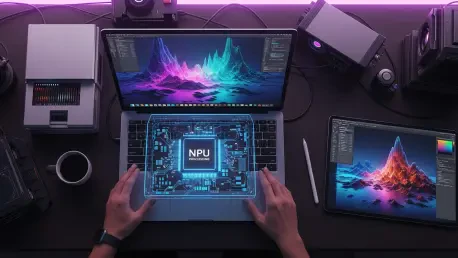
The creative professional landscape has undergone a definitive and irreversible transformation as artificial intelligence moved from the periphery of experimental tech to the very heart of the modern production environment. By 2026, the initial anxiety surrounding automation has largely given way

The emergence of "SearchLeak," formally tracked as CVE-2026-42824, marks a pivotal moment in the evolution of artificial intelligence security within the Microsoft 365 ecosystem. This vulnerability highlights a fundamental shift from traditional external hacking methods to sophisticated internal

The illusion of a seamless and secure digital perimeter effectively dissolved this past June when several high-profile vulnerabilities exposed how easily enterprise artificial intelligence can be turned against its own users. As organizations accelerated the integration of Large Language Models

In a retail landscape increasingly defined by razor-thin margins and heightened consumer expectations, the physical store is undergoing a profound digital transformation. Laurent Giraid, a technologist specializing in artificial intelligence and machine learning, has spent his career dissecting how

Millions of people now consult generative models before calling a doctor, treating large language models as a reliable digital triage system without considering the underlying mechanics of these complex algorithms. The ease of access provided by mobile applications and integrated browser tools has

The capacity to transform static, two-dimensional captures into immersive environments that a viewer can physically walk through has shifted from high-end research laboratories directly into the consumer's pocket. Samsung has long dominated the mobile display market, but the introduction of the

The bureaucratic machinery of the United Kingdom is currently undergoing a quiet yet profound digital revolution as government agencies integrate sophisticated machine learning models to dismantle the persistent bottlenecks that have long stifled national housing growth. This strategic initiative,
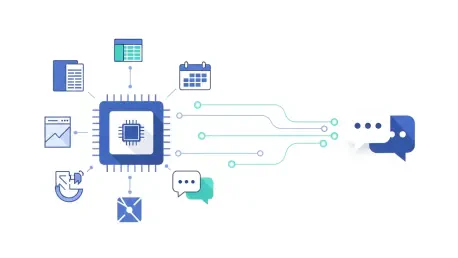
Business productivity software has evolved far beyond the era of static spreadsheets and basic notification bots that merely alert users to changes without providing a means to resolve them directly within the communication interface. This shift is particularly evident in the rise of specialized


