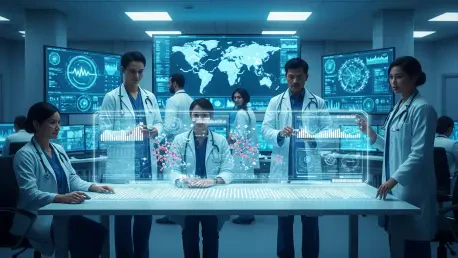

The seamless integration of artificial intelligence into every facet of clinical workflow has transitioned from a speculative luxury to an absolute operational necessity for modern health systems. As medical professionals move deeper into the current decade, the convergence of generative models, real-time sensor data, and sophisticated computer vision is creating a digital twin approach for patient care. This synergy is not merely about automating repetitive tasks; it is about augmenting the cognitive capacity of doctors and nurses who are currently overwhelmed by the sheer volume of data produced by modern diagnostic tools. By effectively synthesizing information from disparate sources, these systems allow clinicians to focus on high-level decision-making while the algorithm handles the complex pattern recognition required for early intervention. The current push for interoperability between proprietary systems is the final hurdle in creating a unified global health intelligence that can track pathogens in real time or personalize cancer therapies based on immediate cellular responses.
Collaborative Frameworks for Modern Clinical Data
Federated Learning: Protecting Patient Sovereignty
Federated learning has emerged as the definitive solution to the long-standing conflict between the need for large-scale medical data and the strict mandates of patient privacy laws. Instead of moving sensitive patient records to a centralized cloud server where they might be vulnerable to breaches, this architectural approach allows the machine learning model to travel to the data. Hospitals and research centers now train local versions of a model on their own encrypted servers, sharing only the learned weight updates with a central aggregator. This collaborative framework ensures that a diagnostic algorithm can learn from millions of diverse cases across different continents without a single piece of personally identifiable information ever leaving its original site. The result is a robust, globally informed intelligence that respects regional sovereignty and individual privacy while maintaining the highest possible accuracy for complex clinical decision-making. Furthermore, this decentralized methodology significantly mitigates the inherent biases that often plague traditional centralized datasets.
Predictive Orchestration: Anticipating Critical Care Needs
The application of predictive analytics has moved beyond simple scheduling into a sophisticated form of clinical orchestration that anticipates patient needs before they become emergencies. Advanced neural networks now analyze real-time streams from wearable sensors and electronic health records to identify subtle physiological shifts that precede cardiac events or septic shock. This proactive stance allows nursing staff to intervene hours before a patient enters a critical state, drastically reducing mortality rates and the length of hospital stays. On the administrative side, these systems manage the complex flow of resources, from optimizing operating room turnover to predicting pharmaceutical demand based on local epidemiological trends. By automating the logistical burden that typically consumes a significant portion of a clinician’s day, healthcare providers are finally reclaiming the time necessary to focus on the human elements of care, such as patient counseling and complex ethical decision-making processes.
Governance and Ethical Implementation: Building Sustainable Systems
The transformation of the medical landscape necessitated a fundamental shift in how regulatory bodies and healthcare executives approached technology implementation. It became clear that the successful deployment of these systems required not just technical expertise, but a commitment to transparent governance and continuous professional retraining. Stakeholders prioritized the development of explainable AI frameworks, which ensured that every machine-generated recommendation was accompanied by a clear, evidence-based rationale that clinicians could verify. Medical schools overhauled their curricula to include data science as a core competency, preparing the next generation of doctors to act as supervisors of automated systems rather than mere practitioners of traditional methods. Future efforts should focus on closing the digital divide to ensure that low-resource settings gain access to these life-saving tools. Establishing international standards for AI-human collaboration remained the most effective way to secure a resilient and responsive global health infrastructure for everyone.