
The urban landscape of Kansas City is undergoing a profound transformation as the local transit authority prepares to deploy sophisticated artificial intelligence capable of identifying passengers in real time. This initiative aims to modernize the public transportation network by integrating facial recognition software into the city’s bus fleet, a move that officials claim is essential for maintaining order and protecting the community. However, this technological leap has triggered a contentious debate that spans across municipal, state, and federal jurisdictions, exposing deep-seated anxieties regarding the erosion of anonymity in public spaces. As the Kansas City Transportation Authority seeks to balance innovation with safety, it finds itself navigating a labyrinth of legal challenges and public skepticism. The implementation of such tools represents a pivotal moment for Midwestern infrastructure, testing the limits of how much privacy citizens are willing to trade for the promise of enhanced security.
Operational Framework: System Mechanics and Data Management
Technical Mechanisms: Real-Time Identification and Information Storage
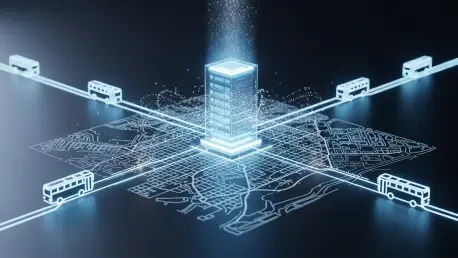
The operational heart of this project lies in a specialized software suite developed by SafeSpace Global, designed to integrate seamlessly with the existing camera systems on Kansas City buses. Unlike traditional surveillance methods that require human operators to manually scan hours of footage, this AI-driven system operates by matching live facial signatures against a predetermined database of individuals. This “alert list” primarily consists of people who have been officially barred from the transit system due to prior incidents of violence or persistent rule violations, alongside a registry of missing persons provided by law enforcement agencies. Proponents of the technology emphasize that the software does not store images of the general public; instead, it utilizes a mathematical representation of facial features that is immediately deleted if no match is found. This ephemeral processing is intended to alleviate concerns about mass data collection, ensuring that the vast majority of riders remain anonymous.
Despite the assurances of real-time data deletion for non-matches, a significant point of contention remains regarding the long-term storage of standard video footage captured by the bus cameras. While the facial recognition component processes data in a transitory manner, the underlying video stream is recorded and archived on local servers for a period of up to five years. This extended retention policy has drawn sharp criticism from civil liberties organizations, which argue that such a lengthy window for data access creates an unnecessary risk of retrospective surveillance and potential data breaches. The distinction between the AI’s “active” identification and the system’s “passive” recording is often blurred in public discourse, leading to fears that the technology could eventually be expanded beyond its current scope. Critics suggest that once the infrastructure is in place, the temptation to utilize the five-year archive for more invasive purposes, such as monitoring social behavior, could become difficult to resist.
Governance Realities: Financial Obstacles and State-Level Resistance
The rollout of this surveillance initiative has been complicated by a sharp ideological divide between Kansas City officials and the Missouri state government regarding the ethics of facial recognition. While the Kansas City Transportation Authority has secured significant federal grants and allocated local municipal funds to jumpstart the program, the state has taken a firm stance against providing any financial support. State legislators have expressed profound concerns that the use of biometric tracking on public transit constitutes an overreach of government power and a violation of the fundamental right to privacy. This lack of state-level endorsement has created a precarious financial situation for the project, forcing the transit authority to rely heavily on discretionary federal spending and local tax revenue. The state’s refusal to participate serves as a symbolic and practical roadblock, signaling a broader national trend where state governments are increasingly pushing back against high-tech policing.
The initial implementation of facial recognition in Kansas City provided a critical case study for how modern metropolises navigated the intersection of security and privacy. Stakeholders eventually recognized that the success of such programs depended less on the sophistication of the hardware and more on the strength of the community engagement strategies employed. Moving forward, cities considering similar paths looked toward a model of “privacy by design,” where data protection was integrated into the technological architecture from the very beginning. This included the adoption of decentralized data storage and the implementation of strict sunset clauses for all surveillance programs, ensuring that technology was regularly re-evaluated for its necessity. By shifting the focus from mere enforcement to a more holistic view of rider safety and civil liberty, the discourse shifted toward creating a sustainable balance. These steps proved essential for maintaining public trust while still utilizing the benefits of advanced technological tools.