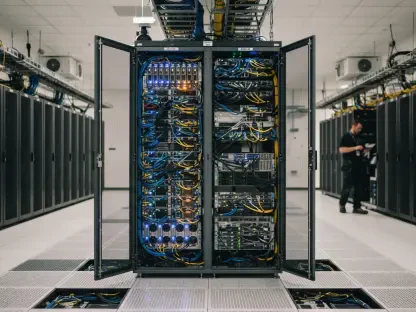

While the Texas grid currently leads in solar and battery storage growth, the state has become a testing ground for a deregulated energy model driven by artificial intelligence needs. The recent procedural advancement of the Bipartisan Affordability and Jobs Act, known as BAAJA, in the U.S. Senate represents a fundamental realignment of national energy policy to favor the artificial intelligence sector. With a robust 73-25 vote, this legislation is designed to expedite the expansion of electrical infrastructure, specifically tailored to meet the immense power requirements of massive AI data centers. By streamlining the construction of gas-fired power plants, transmission lines, and pipelines, the bill provides corporations with the legislative leverage to develop private energy networks. This maneuver effectively bypasses the traditional authority of state attorneys general and tribal regulators, who have historically served as the primary oversight bodies for utility expansion and environmental protection.
Industrial Growth and Gas Reliance
A primary theme of the BAAJA is the prioritization of immediate industrial expansion over long-term ecological stability. Tech organizations are increasingly opting for natural gas combustion turbines to provide the reliable, baseload power that intermittent renewables cannot currently guarantee. For example, the multibillion-dollar investments by firms like Anthropic in the Texas energy market demonstrate a preference for high-emission fossil fuels when speed to market is the critical factor. The legislation facilitates this by relaxing air and water pollution standards and minimizing the legal hurdles that typically slow down large-scale infrastructure projects. This approach essentially allows the technology sector to operate outside the environmental constraints that govern other industries. While proponents argue this is necessary for national security and economic growth, critics point to the substantial increase in carbon output that contradicts federal climate goals.
Beyond the environmental impact, the bill significantly alters the balance of power between federal authorities and local communities. By bypassing state attorneys general and tribal regulators, the BAAJA removes the traditional checks and balances that ensure energy projects do not disproportionately harm local residents or indigenous lands. This centralized approach allows for the rapid construction of transmission lines and pipelines, but it also creates a risk of disenfranchising those who live near these new industrial zones. Furthermore, the ability for AI companies to create private energy loops could lead to a fragmented utility market. As these large consumers pull away from the public grid to manage their own power, the financial burden of maintaining existing infrastructure may fall on residential customers. This potential shift in cost could exacerbate energy inequality, leaving individual households to pay higher rates while tech giants enjoy subsidized or streamlined access.
Global Impacts and Strategic Policy
The broader implications of the BAAJA provide a significant case study for other nations navigating the digital revolution. In countries like Pakistan, where energy infrastructure is often a bottleneck for growth, the American legislative model illustrates how technology firms can exert influence over national policy to secure energy priority. This global trend suggests that the demand for computational power is becoming a dominant factor in geopolitical energy strategies. The consensus among international analysts is that while such bills accelerate technological capacity, they may also undermine global efforts toward sustainable development. As AI becomes a central pillar of the global economy, the tension between industrial needs and ecological safeguards will likely intensify. The BAAJA signals a transformative era where the requirements of high-tech sectors may dictate the energy governance of entire nations, potentially setting a precedent for prioritizing tech over nature.
Looking forward, the integration of AI and energy infrastructure requires a shift toward more sustainable next-generation solutions. Experts recommend that the industry move beyond gas reliance by investing in modular nuclear reactors and advanced geothermal systems that offer carbon-free baseload power. To address the regulatory gaps created by the BAAJA, some states have initiated local oversight programs that incentivize data centers to utilize carbon-capture technologies. These initiatives aim to balance the rapid growth of AI with the necessity of preserving air and water quality for the public. It is clear that the long-term success of the tech sector depends on its ability to innovate within environmental boundaries rather than bypassing them. Future strategies focus on creating a symbiotic relationship between artificial intelligence and renewable grids, ensuring that technological progress does not come at an irreversible cost to the planet’s natural resources.