
Laurent Giraid is a distinguished technologist whose work at the intersection of machine learning and physical environments is redefining how we interact with the world around us. As a specialist in Artificial Intelligence and the ethical implementation of emerging tech, Giraid has closely

The digital fortifications designed to protect global icons and government officials collapsed not under a barrage of sophisticated malware, but through the polite requests of an automated assistant. This recent security breach involving the Meta AI support agent highlights a fundamental flaw in

The long-standing belief that artificial intelligence performance is strictly tethered to the sheer volume of parameters and computational brute force has been fundamentally challenged by the arrival of Harness-1. While industry giants like OpenAI have focused on scaling their proprietary models to

The current landscape of artificial intelligence is defined by a striking paradox where the rapid adoption of sophisticated tools exists alongside a deep-seated suspicion regarding the safety of personal information. Even as digital assistants and generative models become woven into the fabric of
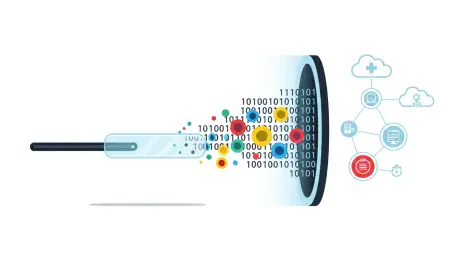
The diagnostic landscape has reached a pivotal juncture where the demand for precise oncological assessments frequently outpaces the physical capacity of human experts to review glass slides under traditional microscopes. While digital pathology has existed in various forms for decades, the current

Governor Ned Lamont officially signed Public Act 26-15, a comprehensive piece of legislation known as the C.A.R.T. Act, marking a definitive move by the State of Connecticut to regulate the digital landscape. This landmark decision highlights a significant shift in the relationship between state