
The integration of blockchain technology into treasury operations aims to resolve long-standing liquidity and security challenges in international trade. As commerce becomes increasingly borderless, the friction inherent in traditional banking systems has become a significant bottleneck for growing

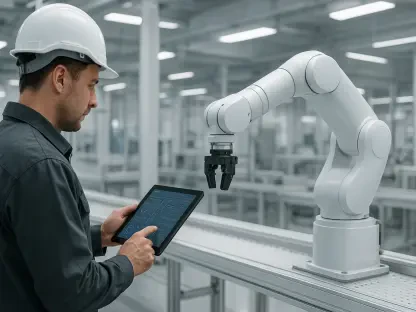
Unlike the rigid scripts of the past, modern AI agents manage variability and cross-functional coordination to bridge the gap between data silos and actionable insights. The corporate landscape in 2026 is defined by a sophisticated evolution where Robotic Process Automation (RPA) and Artificial

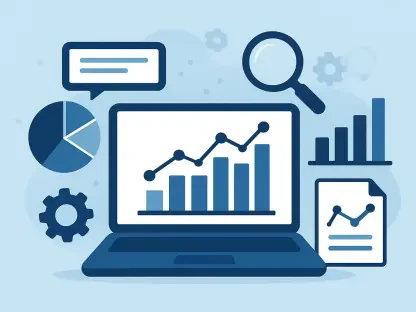
Small business owners can now refine brand aesthetics and data filters through an iterative conversational process without any manual widget configuration. This breakthrough, recently unveiled by ClicData, marks a pivotal shift in how midmarket organizations approach business intelligence.

The inherent tension between centralized security departments and the urgent demands of technical and operational teams often results in critical risks remaining undetected until the very final stages of a project’s lifecycle. This gap between specialized security practitioners and the people

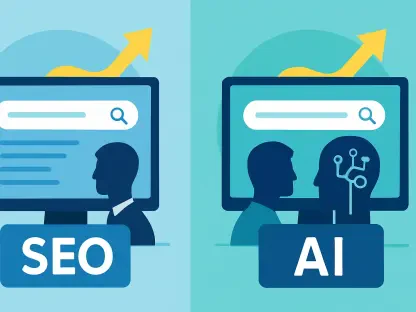
Atlassian is challenging the industry trend of headless automation by insisting that artificial intelligence must share the same workspace and context as human employees to be truly effective. In the current landscape of 2026, the obsession with background scripts and API-driven workflows has often

By providing the building blocks for ROI calculation, specialized governance tools help enterprises determine whether their AI spend actually translates into increased productivity or revenue. As we navigate the complex landscape of 2026, the integration of autonomous agents and deep-learning
1 2 3 4 5 6 7 8 9 10 11 12 13 14 15 16 17 18 19 20 21 22 23 24 25 26 27 28 29 30 31 32 33 34 35 36 37 38 39 40 41 42 43 44 45 46 47 48 49 50 51 52 53 54 55 56 57 58 59 60 61 62 63 64 65