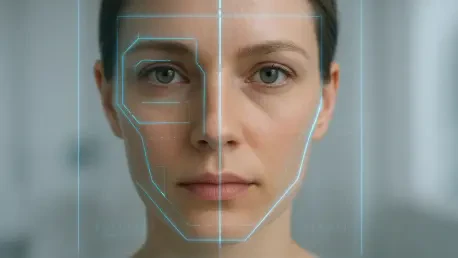

Facewatch claims its biometric network has successfully prevented over £64 million in potential theft, yet high-profile errors continue to undermine public trust in the software. When a shopper at a Sainsbury’s location found themselves wrongly identified as a person of interest, the ensuing

Civil liberties groups like the ACLU maintain that the government is conducting mass surveillance on Americans engaged in public protests without obtaining the necessary warrants. This shift from manual observation to automated analysis marks a turning point in how federal agencies interact with

The morning sun glints off the glass facades of Rio de Janeiro's skyscrapers as thousands of residents navigate the chaotic rhythms of the city, largely unaware that their every facial micro-expression is being translated into binary code by a centralized digital brain. The Integrated Command and
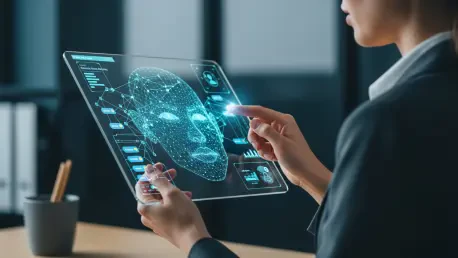
The rapid proliferation of sophisticated deepfake technology has created a digital landscape where the distinction between authentic human interaction and synthetic recreation is becoming increasingly indistinguishable to the untrained eye. As artificial intelligence continues to evolve, the

The sophisticated veneer of modern digital identity verification is currently being systematically dismantled by criminal syndicates utilizing modular artificial intelligence toolkits designed to deceive. While biometric authentication was once considered the gold standard for securing high-value

The sudden re-emergence of cinematic icons on screen long after their official retirement is no longer a miracle of makeup but a product of sophisticated digital asset management. This phenomenon has been most notably exemplified by the return of Hong Kong cinema legend Joey Wong, who recently