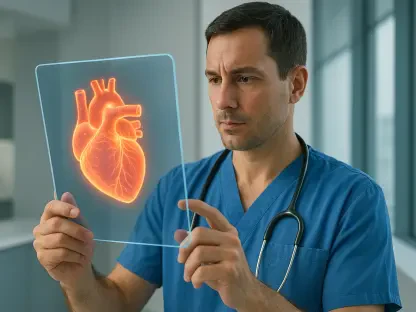

The persistent narrative that advanced machine learning would eventually replace human medical experts has fundamentally transformed into a realization that technology is actually the savior of a crumbling healthcare infrastructure. Roughly a decade ago, industry pundits forecasted the total obsolescence of radiologists, yet today’s reality depicts a sophisticated partnership where software handles the heavy lifting of data processing. Instead of a zero-sum game between silicon and brainpower, the focus has pivoted toward resolving a massive global disparity between the skyrocketing volume of medical imaging and a stagnant pool of qualified specialists. This transition marks a departure from the experimental phase of implementation to a period where digital assistance is a prerequisite for departmental survival. By automating repetitive elements of the diagnostic process, AI has become a crucial buffer against systemic failure, ensuring that patients receive results despite a worldwide shortage of staff.
The Global Driver: Addressing the Critical Radiology Staffing Crisis
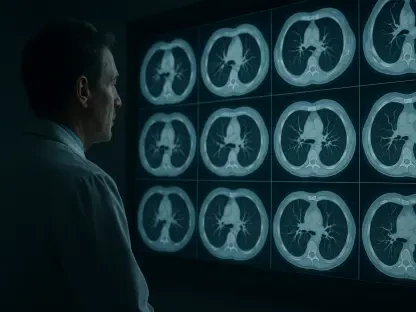
Modern radiology departments are currently wrestling with an unsustainable surge in imaging demand that has significantly outpaced the expansion of the professional medical workforce. In numerous healthcare systems across the United States and Europe, clinical facilities are reporting high turnover rates as radiologists face burnout from increasing workloads and administrative burdens. The volume of scans, ranging from routine chest radiographs to complex multi-phase computed tomography, has created a bottleneck that threatens patient safety and diagnostic speed. In this context, artificial intelligence is no longer perceived as an optional technological luxury or a far-off innovation, but rather as a necessary intervention required to prevent imaging services from reaching a complete breaking point. By utilizing algorithmic sorting, departments are finding ways to manage these workflows, yet the underlying pressure of the staffing shortage continues to drive the rapid adoption of digital tools.
Beyond the immediate pressure of rising scan volumes, the industry is navigating a significant demographic shift that complicates the long-term outlook for medical imaging. A substantial portion of the current radiologist population is rapidly approaching retirement age, leaving a vacuum of expertise that newly trained residents cannot immediately fill. This shortage is further exacerbated by an aging global population that requires more frequent and complex diagnostic interventions to manage chronic conditions and age-related pathologies. As the ratio of patients to specialists widens, the traditional model of manual interpretation for every single image has become practically impossible to maintain. Consequently, healthcare administrators are looking toward automated solutions to bridge this gap, focusing on how machine learning can extend the reach of existing staff. The goal is to leverage technology to handle routine analysis, allowing human doctors to focus on the most difficult cases.
Strategic Integration: Functional Frameworks and Clinical Deployment
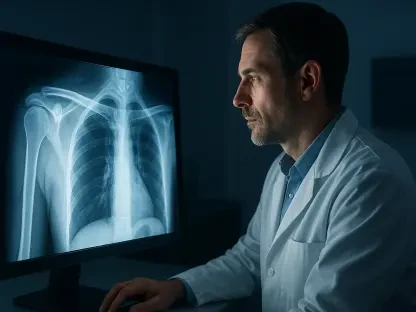
To effectively manage these mounting clinical pressures, modern AI tools are generally categorized into three distinct functional areas: autonomous, generative, and augmented systems. Autonomous AI is specifically engineered to make independent clinical decisions for high-precision, low-complexity tasks, such as identifying and filtering out entirely healthy chest x-rays. This allows radiologists to bypass normal scans and dedicate their cognitive energy exclusively to cases that show signs of abnormality or disease. Meanwhile, generative AI has begun to play a vital role by synthesizing vast amounts of patient data and historical records into concise, actionable summaries for the reading room. By reducing the time spent on manual data retrieval and administrative documentation, generative models are significantly lowering the daily cognitive load on clinicians. These tools represent a shift toward specialized software that understands the unique context of the medical environment.
While autonomous systems handle specific niches, augmented AI acts as a sophisticated co-pilot that works alongside the radiologist during the interpretation process. These systems are particularly adept at performing repetitive tasks, such as measuring anatomical structures or tracking the growth of nodules across historical scans. By providing a digital second set of eyes, augmented AI helps reduce the risk of human error, especially during long shifts when fatigue might lead to subtle findings being overlooked. This collaborative approach ensures that the final diagnostic decision remains in human hands while benefiting from the speed of algorithmic analysis. Integration into the daily workflow has shown that these tools can improve diagnostic confidence and streamline the reporting process. This synergy between human intuition and machine precision has become the gold standard for modern diagnostic practices, ensuring high-quality care while maintaining essential safety standards.
Future Proofing the Field: Strategic Steps for Integrated Workflows
The next stage of evolution involves the creation of a fully automated reading room where AI is seamlessly woven into existing record systems. Future platforms are expected to provide real-time alerts, prioritize urgent exams, and automate standardized reporting guidelines, effectively liberating physicians from tedious manual data entry. By streamlining the time-consuming aspects of the job, these integrated systems allow radiologists to return their focus to patient-centered care and the interpretation of intricate pathologies that require a human touch. However, maintaining the integrity of diagnostic imaging requires rigorous quality control and continuous validation by medical professionals. Despite the promise of increased efficiency, human oversight remains a fundamental requirement for the safe use of AI in medicine. Systems are not perfect and can occasionally generate incorrect data, necessitating a synthesis of technology and human expertise to maintain high diagnostic standards.
To ensure the long-term success of these technological implementations, healthcare organizations adopted a strategy that prioritized clinical safety and professional accountability. They recognized that while machine learning algorithms offered unprecedented speed, the ultimate diagnostic responsibility resided with the human physician. Stakeholders implemented robust monitoring protocols to detect performance drift and maintained transparent communication with patients regarding the role of automated systems. Medical education programs were updated to include comprehensive training on data literacy and technology management, preparing the next generation of specialists for a collaborative environment. These proactive steps transformed the field from one facing an existential crisis into a resilient, technology-enhanced discipline. The focus shifted from mere survival to the optimization of care through a balanced partnership. In the end, the successful integration of these tools proved that AI was an essential ally rather than a threat.