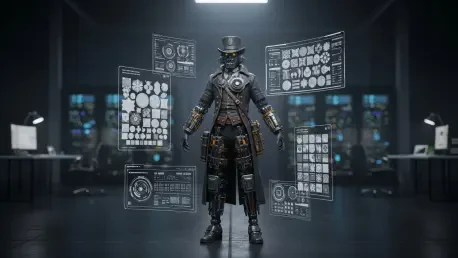

The landscape of high-fidelity game development is currently undergoing a seismic transformation as studios grapple with the escalating costs and labor demands of creating hyper-realistic assets for modern consoles. Round8 Studio, the developer responsible for the visually striking title Lies of P, recently moved to the forefront of this evolution by opening a position for an “AI Creator” within its Game Art and Creative team. This specific role is designed to act as a bridge between traditional human artistry and the high-volume capabilities of generative artificial intelligence, aiming to maximize production efficiency while simultaneously pushing the boundaries of visual quality. By embedding this position directly into the creative department, the studio signalizes a departure from experimental use toward a more integrated, structural reliance on algorithmic tools. This move suggests that the upcoming sequel to their hit soulslike and other future projects from 2026 to 2028 will likely rely heavily on an AI-augmented pipeline to maintain competitive standards in a crowded marketplace.
Strategic Integration: Leveraging Generative Tools for Visual Development
The responsibilities outlined for this new role highlight a sophisticated approach to asset creation that goes far beyond simple prompt engineering or experimental sketching. Candidates are expected to utilize advanced platforms such as Stable Diffusion and Midjourney to generate complex character and background concept drafts, which serve as the foundation for human artists to refine. Furthermore, the role involves utilizing AI-driven texturing techniques and high-resolution upscaling to ensure that generated assets meet the rigorous technical requirements of final game builds without the traditional manual labor usually required for such tasks. This shift toward a proprietary AI art pipeline reflects a strategic desire to automate workflows that previously took months of painstaking effort by large teams of environmental and character designers. By streamlining these repetitive processes, the studio intends to allow its lead creative directors more time to focus on high-level world-building and narrative cohesion, effectively turning AI into a force multiplier for the existing creative talent rather than just a cost-cutting measure.
Future Considerations: Balancing Technological Speed with Artistic Integrity
This decision mirrors a broader industry trend where major developers behind massive franchises like Call of Duty have increasingly adopted generative workflows to keep pace with rapid release cycles and player expectations. However, the move also brings to light the persistent tension between technical efficiency and the preservation of the unique human-led craftsmanship that defined the Victorian-steampunk aesthetic of the original Lies of P. For the industry to successfully navigate this transition, developers were required to establish clear ethical guidelines regarding the use of machine learning. The most effective solutions emerged when studios treated AI as a sophisticated brush rather than an autonomous artist, ensuring that the final output retained the nuance that only human designers can provide. As development cycles extend from 2026 to 2029, the focus shifted toward training proprietary models on in-house data to maintain a distinct visual identity. This approach allowed teams to preserve their artistic integrity while meeting the heavy logistical demands of modern gaming markets.