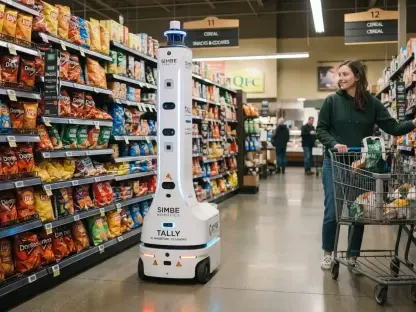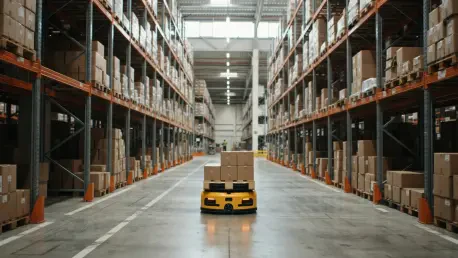

Logistics facilities are moving beyond the pilot phase to implement adaptive robotics that assume responsibility for repetitive and physically taxing tasks. As global commerce demands faster turnaround times, DHL Supply Chain has pioneered an Intelligent Supply Chain framework that transitions away from isolated automated tools toward a comprehensive ecosystem of smart machinery. Unlike previous iterations of warehouse automation that relied on static programming and rigid pathways, these modern adaptive systems utilize real-time environmental data to make independent decisions on the fly. This evolution reflects a broader industry trend where the focus has shifted from merely replacing manual labor to optimizing the interaction between human intelligence and mechanical precision. By 2026, the company successfully integrated these technologies across the majority of its global footprint, ensuring that high-volume distribution centers maintain peak performance even during unpredictable market shifts.
Efficiency: AI Orchestration and Physical Automation
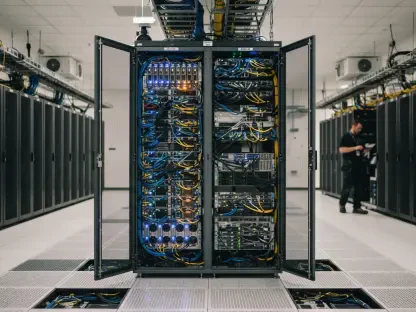
A defining element of this modern infrastructure is the deployment of sophisticated AI orchestration software, which effectively serves as the digital nervous system for the entire facility. This software layer bridges the gap between autonomous mobile robots, specialized packaging equipment, and the overarching warehouse management system to create a unified operational flow. By analyzing live data regarding order volume, inventory locations, and available labor, the orchestration engine dynamically reassigns tasks to ensure that assets are utilized at their maximum capacity. This level of coordination is particularly vital during peak seasonal periods when traditional systems often become bottlenecked by fixed processing speeds. Instead of reacting to delays after they occur, the AI proactively identifies potential constraints and redirects robotic units to high-priority zones before throughput is affected. This transition from reactive to predictive management marks a significant leap in how global logistics providers approach large-scale fulfillment challenges today.
The company distinguishes between physical AI and digital AI to categorize the diverse roles that technology plays in daily operations. Physical AI is best exemplified by the deployment of the Boston Dynamics Stretch robot, which recently reached a milestone of ten million case unloads across various shipping hubs. These machines handle the heavy lifting of unloading trailers, a task that was previously prone to causing repetitive strain injuries among human workers. Meanwhile, digital AI focuses on optimizing the vast streams of information that circulate within the supply chain, processing complex algorithms to refine decision-making processes. In 2026 alone, DHL recorded over 500 distinct implementations of these advanced analytics solutions, demonstrating an unprecedented pace of technological adoption. With more than 9,000 robots currently active across its network, the organization has demonstrated that large-scale automation is no longer a luxury but a fundamental necessity for maintaining a competitive edge in modern logistics.
The successful integration of these systems demonstrated that the path forward for logistics required a balanced approach to technological investment and human resource management. Organizations that prioritized the development of interoperable software layers found themselves better equipped to handle the complexities of a volatile global market. The transition toward adaptive robotics provided a clear blueprint for how physical AI could be used to solve labor shortages while digital AI optimized the flow of goods with surgical precision. Moving forward, the focus remained on refining these connections to ensure that every asset within the warehouse, whether mechanical or human, functioned as part of a cohesive unit. Decision-makers learned that the true value of automation lay not in the individual machines but in the orchestration of those machines to meet specific business objectives. By treating the supply chain as a living, breathing entity, industry leaders established a new standard for operational excellence that reshaped the future of global commerce.