
For many athletes, the simple act of running outdoors represents a profound sense of freedom and physical expression, yet for those living with blindness or low vision, this activity has long been tethered to significant logistical constraints and dependencies. Traditional methods of navigation for the visually impaired often require a human guide connected by a short rope, a trained service animal, or the restrictive environment of a specialized indoor track where obstacles are predictable and controlled. These requirements frequently dictate when, where, and how long an individual can train, effectively removing the spontaneity that defines recreational sports. However, a significant technological shift is underway through the development of the Running Guide agent by Google DeepMind. This advanced artificial intelligence system is designed to act as a digital companion, leveraging the ubiquity of smartphone hardware to provide real-time environmental awareness. By transforming a standard mobile device into a sophisticated sensory tool, the project aims to grant athletes the autonomy to navigate complex outdoor terrains without external human assistance.
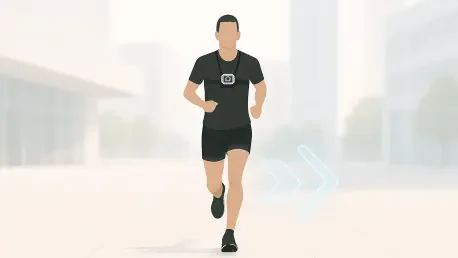
The technological architecture of the Running Guide agent relies on a specialized application of multimodal AI that integrates computer vision, spatial reasoning, and conversational audio feedback into a seamless operational loop. When a runner begins their workout, the smartphone camera—typically worn in a harness or held in a stable position—captures a continuous stream of high-definition video data that the AI analyzes in milliseconds. The primary challenge in outdoor navigation is the “unbounded” nature of the environment, where fixed path boundaries can be interrupted by temporary obstructions, varying light conditions, or changes in surface texture. Unlike early accessibility tools that merely identified objects, this agent functions as an active pilot. It distinguishes between the safe asphalt of a path and the hazardous grass or dirt of a shoulder, while simultaneously monitoring for dynamic hazards such as pedestrians, cyclists, or misplaced equipment. By processing this information locally on the device, the system minimizes latency, ensuring that the time between obstacle detection and user notification is virtually instantaneous.
Real-Time Navigation and Edge Computing Architecture
The practical utility of the Running Guide is found in its sophisticated communication layer, which translates complex visual data into intuitive audio instructions delivered through bone-conduction headphones. These specific headphones are crucial because they allow the runner to hear the AI’s guidance while keeping their ears open to ambient environmental sounds, such as approaching vehicles or the voices of other pedestrians. The AI does not simply bark commands; it provides nuanced, conversational cues that help the athlete maintain a consistent line and pace. For example, instead of a generic warning, the system might advise a runner to veer slightly to the right to avoid a protruding branch or suggest a gradual deceleration as the path approaches a busy intersection. This granular feedback loop creates a sense of confidence, allowing the runner to focus on their physical performance rather than the constant fear of an unseen collision. By maintaining a steady stream of affirmative feedback when the path is clear, the AI reduces the cognitive load on the athlete, making the experience more natural.
A cornerstone of this technology’s reliability is the transition from cloud-based processing to edge computing, which allows the AI models to run directly on the smartphone’s internal processor. In high-stakes physical activities like running, even a half-second delay in data transmission could result in a dangerous fall or an accident. If the system relied on sending video frames to a remote server for analysis, any fluctuation in cellular signal strength would render the guide unsafe for use. By optimizing the neural networks to function locally, Google DeepMind ensures that the Running Guide remains responsive even in areas with poor connectivity, such as wooded parks or remote trails. This technical achievement reflects a broader trend in the industry toward “on-device” intelligence, where the privacy and speed of local execution are prioritized over the raw power of centralized data centers. This localized approach also enhances user privacy, as sensitive visual data of the athlete’s surroundings and daily routes do not need to be uploaded to a corporate cloud to function effectively.
Evolution of AI From Passive Tools to Proactive Agents
This innovation represents a fundamental shift in how accessibility software is conceived, moving beyond passive assistance toward proactive, autonomous agency. Earlier iterations of vision-based AI for the visually impaired, such as specialized screen readers or object identification apps, were largely reactive; they waited for a user to point a camera at a label or a door before providing information. The Running Guide, by contrast, takes a leading role in the activity, making constant judgment calls about safety and direction. It must differentiate between a minor crack in the pavement that can be ignored and a steep curb that requires a complete stop. This transition toward “unbounded” AI signifies a major milestone in the development of models that can handle the inherent messiness of the physical world. While a text-based chatbot operates within the structured rules of language, a navigation agent must contend with the chaotic variables of weather, moving objects, and shifting lighting, all while maintaining a zero-error threshold for safety.
The development of the Running Guide also positions Google at the forefront of the highly competitive “AI agent” landscape, where the goal is to create systems that can perform complex tasks with minimal human intervention. Success in the specialized niche of blind-athlete navigation serves as a rigorous proof of concept for more generalized autonomous systems. If an algorithm can be trusted to guide a human being through a crowded public space at high speeds, the underlying logic and spatial awareness can be adapted for a wide variety of high-stakes applications. This includes everything from the next generation of industrial robotics in manufacturing plants to the refined navigation systems of self-driving vehicles and delivery drones. By solving the specific, high-pressure problem of independent running, researchers are essentially stress-testing the multimodal models that will eventually power a broad range of autonomous technologies across the global economy over the coming years from 2026 to 2030.
Strategic Implications and the Path Toward Deployment
Beyond the immediate technological hurdles, the Running Guide project serves as a strategic instrument for building public and regulatory trust in artificial intelligence. As AI becomes more integrated into the physical safety of individuals, the ethical and social implications of its deployment become increasingly scrutinized. By focusing on a high-impact humanitarian goal—restoring independence to the blind and low-vision community—the developers can demonstrate the tangible social benefits of advanced autonomy. This narrative framing is essential for navigating the complex regulatory environments that often slow the adoption of new technologies. When a system provides a clear, life-changing service to a vulnerable population, it creates a powerful argument for the continued expansion of AI in public spaces. This approach allows for a “safety-first” development cycle where the high stakes for the individual user drive the rigorous testing and refinement necessary to satisfy government oversight and public safety standards.
The journey from a successful research project to a widely available consumer product remains a complex process that requires careful calibration of the user interface. One of the most significant challenges identified in the current research phase is the balance of information density; the AI must communicate enough data to ensure safety without overwhelming the runner with a constant barrage of noise. Over-communication can lead to cognitive fatigue, while under-communication can lead to anxiety. Developers are currently fine-tuning the AI’s ability to distinguish between essential hazards and benign environmental features to ensure the experience remains enjoyable rather than clinical. While a specific public release date and pricing model for the Running Guide have not yet been announced, the ongoing field tests indicate that the technology is maturing rapidly. As hardware capabilities of mobile devices continue to improve, the barrier to entry for this type of assistive AI will lower, potentially opening up a new era of sports accessibility that was once considered purely speculative.
Future Considerations for Autonomous Assistive Technology
Looking ahead, the successful integration of the Running Guide into the daily routines of athletes will likely spark a broader conversation about the future of human-machine collaboration in the physical realm. The ultimate goal of such technology is not to replace human guides or traditional aids, but to offer a choice where one previously did not exist. This elective independence is a critical component of personal dignity and accessibility. In the future, we may see these systems evolve to support more than just running; the same foundational technology could easily be adapted for cycling, hiking, or navigating complex indoor environments like transit hubs and shopping malls. As the AI becomes more sophisticated, it could even learn a specific runner’s preferences, such as their favorite terrain types or preferred level of verbal encouragement, transforming the guide from a utility into a personalized coach. This evolution will require continued investment in diverse training datasets to ensure the AI can recognize obstacles in various global contexts and cultures.
To ensure the long-term viability of these autonomous agents, the industry must prioritize the creation of standardized safety protocols that can be verified by third-party organizations. As more companies enter the space of AI-driven navigation, having a unified set of benchmarks for latency, obstacle detection accuracy, and user notification reliability will be essential. Athletes and accessibility advocates should stay informed about the development cycles of these tools, as their feedback is the most valuable resource for refining the conversational logic and physical safety features of the software. Moving forward, the focus must remain on the democratization of these tools, ensuring that the benefits of DeepMind’s research reach individuals across different socioeconomic backgrounds. The transition of AI from the digital screen to the open road marks a pivotal moment in the history of assistive technology, signaling a shift toward a world where physical limitations are increasingly mitigated by intelligent, real-time digital partnerships.