

The high-stakes race for artificial intelligence supremacy has forced sovereign nations to reconsider their reliance on silicon valley giants, sparking a wave of domestic industrial policies aimed at semiconductor independence. South Korea, long a powerhouse in memory chips, is now aggressively
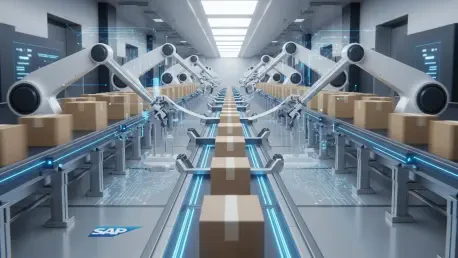
The traditional boundary between digital enterprise logic and the tactile reality of warehouse operations has effectively vanished following a landmark announcement on May 11, 2026. SAP and the pioneering AI robotics firm Cyberwave have successfully operationalized a fleet of autonomous robots at

The rapid integration of agentic Artificial Intelligence into the corporate landscape marks a significant shift from passive tools that simply process queries to autonomous entities capable of independent decision-making and execution. These agents are no longer confined to answering simple

The sheer cinematic brilliance of a modern augmented reality demonstration often masks the profound logistical complexities that prevent these immersive tools from becoming permanent fixtures on the contemporary factory floor or in the corporate boardroom. While the adoption of Extended Reality

The South Korean government has funneled hundreds of billions of won into the ambitious "K-Nvidia" project to catalyze a domestic AI chip industry, yet a profound disconnect persists as state-run agencies consistently bypass local innovators like Rebellions and FuriosaAI in favor of American-made

The global landscape of artificial intelligence infrastructure has entered a new phase of intense scrutiny as the initial wave of frantic hardware acquisition finally gives way to a demand for measurable financial returns. For the past two years, the narrative was dominated by a race to secure