

The inherent tension between centralized security departments and the urgent demands of technical and operational teams often results in critical risks remaining undetected until the very final stages of a project’s lifecycle. This gap between specialized security practitioners and the people

The AISI’s roadmap seeks to transition the industry from reactive monitoring to a preventative strategy centered on high-stakes alignment testing for extreme-horizon agents. This decisive shift comes at a moment when the speed of model development frequently outpaces the ability of traditional

Clinicians have long struggled with the reality that high-resolution MRI scans require extended acquisition times, which frequently lead to artifacts from patient movement. This fundamental limitation has historically dictated the pace of clinical workflows, forcing a difficult choice between
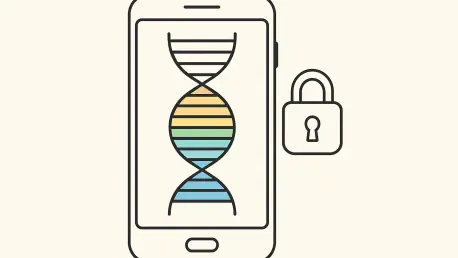
A significant risk in modern medicine involves the permanent nature of genetic data, as a single breach can expose a person's biological blueprint for their entire lifetime. Unlike a standard password or a credit card number that can be easily revoked and replaced, one’s genetic makeup is a

The transition from simple assistive chatbots to sophisticated autonomous agents has fundamentally challenged the traditional boundaries of corporate liability and technical oversight. While the generative boom initially focused on the raw reasoning capabilities of large language models, the
The sheer velocity of artificial intelligence has created a landscape where frontier models can identify tens of thousands of vulnerabilities in the time it takes a human security team to draft a single comprehensive remediation plan. This technological acceleration has forced a reckoning within