
The persistent barrage of unwanted push notifications from dubious websites has transformed from a minor inconvenience into a significant cybersecurity vulnerability for mobile users globally. While these alerts were originally intended to keep individuals informed about real-time updates,

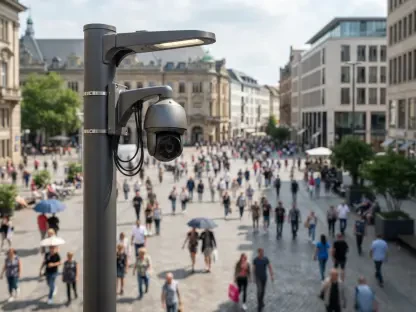
The rapid integration of biometric identification into the infrastructure of modern smart cities has reached a point where the human face now serves as a digital passport for everything from subway access to high-security banking. As municipalities from Singapore to New York City expand their

The digital landscape has shifted into a reality where the speed of artificial intelligence deployment is colliding head-on with an unprecedented wave of legislative scrutiny and enforcement actions. Organizations are no longer operating in a regulatory vacuum, as the rapid adoption of large

The recent disclosure of a material cybersecurity incident involving unauthorized large language model interactions marks a significant turning point for corporate transparency and regulatory compliance in the modern digital era. For a long time, the rapid adoption of generative tools occurred in a

As the rapid proliferation of generative artificial intelligence outpaces the slow-moving gears of federal legislation, a significant regulatory vacuum has emerged within the United States, forcing individual states to seize the initiative in protecting their citizens' digital rights and safety.

The corporate legal landscape has long relied on the Data Processing Agreement as an immutable shield, yet today this legal pillar is effectively crumbling under the sheer speed of generative technology integration. For decades, these contracts served as the definitive "source of truth" for how