
In an increasingly digital world where artificial intelligence stands as the primary guardian of our financial lives, a critical vulnerability has emerged not from external hackers but from the very code designed to protect us. This internal flaw, known as algorithmic bias, presents a profound
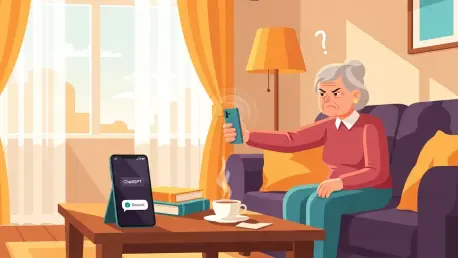
Imagine logging into a trusted digital companion like ChatGPT, expecting a seamless, unbiased interaction, only to be nudged toward shopping at Target or trying out Peloton with prompts that feel suspiciously like ads. This scenario unfolded recently for countless users, including premium

Imagine a world where a single conversation with a seemingly helpful digital assistant could subtly shift your stance on a critical political issue without you even realizing it. This isn’t science fiction; it’s a growing reality as artificial intelligence chatbots become increasingly sophisticated

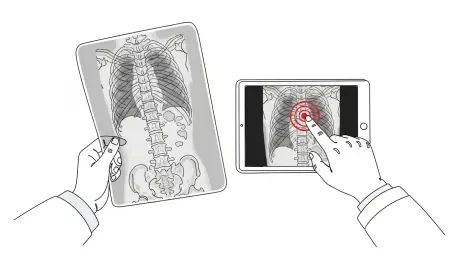
Imagine a world where artificial intelligence (AI) was expected to wipe out an entire medical profession, only to become its greatest ally, sparking a staggering 40% job growth by 2033. That’s the surprising reality unfolding in radiology today. Far from the doom-and-gloom predictions of automation

In a tech landscape that often feels like a high-stakes chess game, a leaked internal memo from OpenAI has sent shockwaves through the industry, revealing a stark declaration of a "code red" by CEO Sam Altman. This urgent alert, signaling a halt to non-essential activities, underscores a pivotal

Imagine a world where artificial intelligence shapes every corner of society, from healthcare to creative arts, yet lacks a moral compass to guide its immense power—how do we ensure it serves humanity rather than harms it? The University of Oxford Institute for Ethics in AI steps into this critical