
Processing massive libraries of footage has become economically viable as the new system slashes the number of tokens required to reach a correct conclusion. This shift marks a definitive end to the era of static video processing, where artificial intelligence models were forced to digest data in a

The shift toward human-centered AI was exemplified by Dr. Jacki O’Neill’s keynote regarding the social and environmental impacts of rapidly advancing technology. This discourse at the UCREL Summer School highlighted how the University Centre for Computer Corpus Research on Language serves as a

A three-tiered access model allows users to switch between simple status monitoring and full-screen intervention when an agent requires manual help. This structural innovation marks a significant departure from the early days of generative AI, where every interaction felt like a fleeting
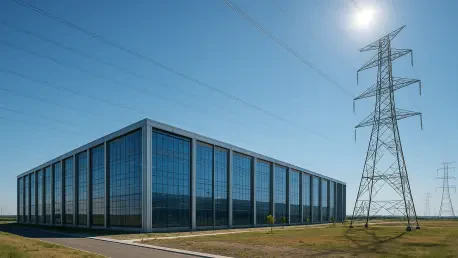
Data centers already account for over 4% of the nation's total electricity usage, leading to significant concerns regarding the long-term reliability of the existing electrical grid. This massive digital footprint represents the physical manifestation of an artificial intelligence revolution that

Cross-chain bridges accounted for over one billion dollars in theft recently, becoming the primary target for sophisticated AI models capable of testing thousands of permutations. The release of frontier AI models like OpenAI’s Astra and Anthropic’s Mythos 5.1 has fundamentally altered the

Neural rendering places a significant burden on the specialized Tensor Cores of modern GPUs, requiring a delicate balance of memory bandwidth and low latency. This technological constraint serves as the backdrop for the introduction of DLSS 5, a system that fundamentally redefines the relationship